1. The "Let Them Pick the Weird Book" Rule
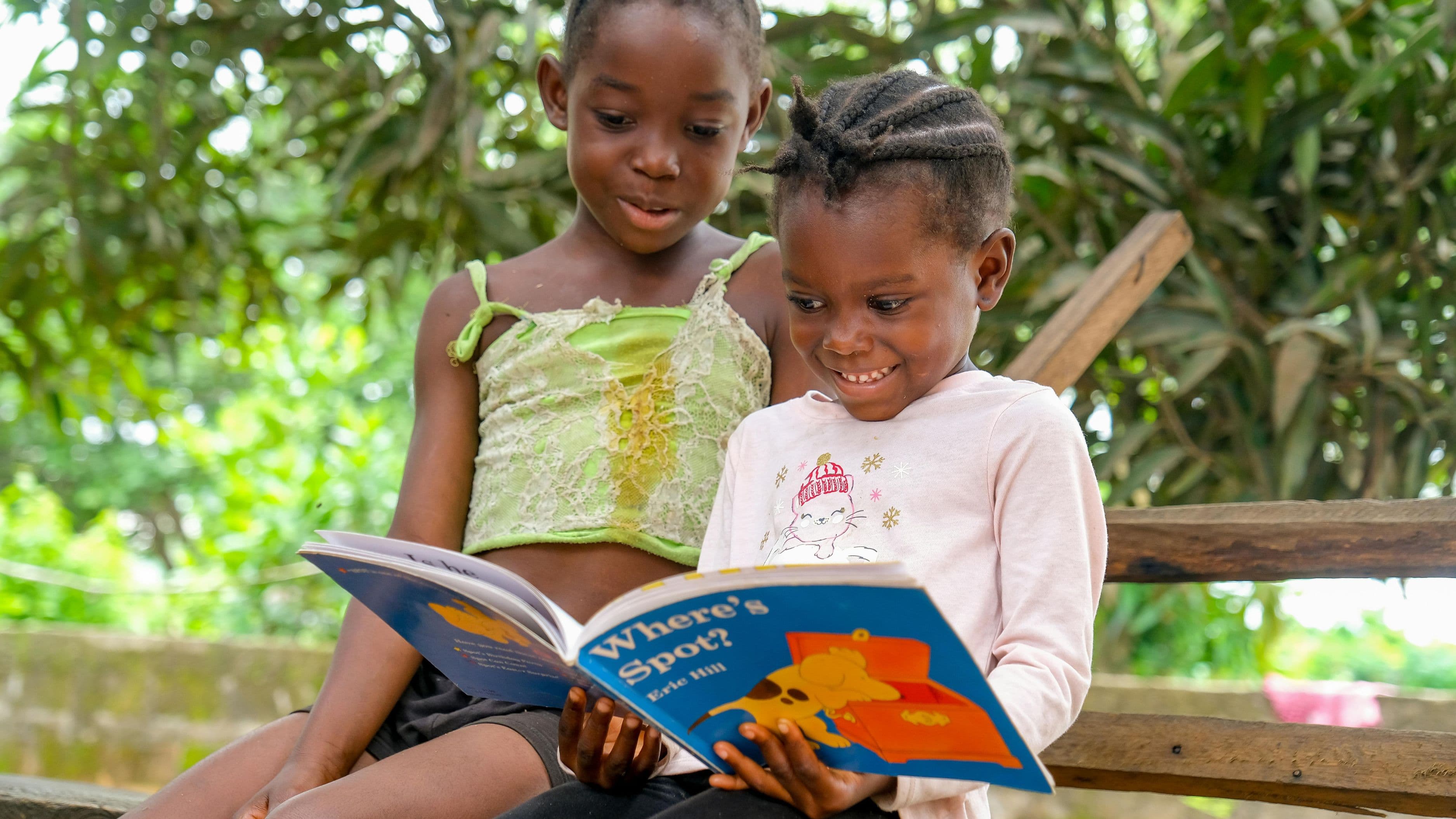
Picture this: your child is magnetically drawn to a graphic novel about a zombie hamster running for class president. Your instinct might be to steer them toward something more literary. Resist that instinct with everything you have. Research from the National Literacy Trust found that children who choose their own reading material are significantly more motivated to read and more likely to read for pleasure outside of school. Choice is the single most underrated ingredient in building a reading habit — it hands ownership directly to the child, and ownership creates investment. Zombie hamsters, books about farts, manga, joke collections — all of it counts. All of it builds fluency, vocabulary, and most importantly, the feeling that reading is for them.
2. The Accidental Reader Setup
Kids don't need a reading intervention. They need a reading environment. Think of it like leaving snacks on the counter — nobody craves an apple in the crisper drawer, but put a bowl of fruit at eye level and suddenly everyone's eating healthy. Scatter books in unexpected places: the bathroom, the car's back seat, the kitchen counter, next to the gaming console. Keep a small basket of books by the couch the same way you'd keep a TV remote. When books are woven into the physical landscape of daily life, they stop feeling like assignments and start feeling like options. The goal is for your child to reach for a book the way they'd reach for anything else that's just… there and interesting.
3. The "I'm Obsessed Too" Performance
Kids are wired to want what the adults around them visibly enjoy. If your child never sees you pick up a book with genuine enthusiasm, why would they believe reading is actually fun and not just something grown-ups pretend to like alongside salads and early bedtimes? Model reading like it's the best thing you do all day — because some days, it honestly is. Let them catch you laughing out loud at a page, or hear you say "I can't stop thinking about this book I'm reading." You don't have to be a literary scholar. Reading a thriller, a memoir, a trashy romance novel, or a self-help book all sends the same message: real people who aren't in a classroom choose to read. That visual is more powerful than any reward chart you'll ever print out.
4. The Bedtime Story That Never Ends
Stop ending the bedtime story at a tidy conclusion. This sounds chaotic, but stay with it — cliffhangers are your secret weapon. Reading aloud to your child and stopping mid-chapter, right before something exciting happens, does something almost unfair to a curious brain: it leaves the loop open. Psychologists call this the Zeigarnik effect — our minds fixate on unfinished tasks far more than completed ones. That unresolved tension is exactly why your kid will ask you to keep going, or — jackpot — pick up the book themselves the next day to find out what happens. Read-alouds also aren't just for babies; studies show they build vocabulary and listening comprehension in children well into middle school. The snuggle factor doesn't hurt either.
5. The Great Library Plot Twist
If your child thinks libraries are dusty, quiet punishment chambers, they haven't met a good one lately. Modern public libraries are basically cultural playgrounds — they have graphic novel sections the size of small bookstores, LEGO stations, story times that involve actual theatrics, and librarians who will match your child to a book with the precision of a sommelier pairing wine. Make the library a regular outing, not a field trip. Let your child get their own library card (it's a surprisingly big deal to a seven-year-old — their name, their card, their books). There's also something powerful about the freedom of borrowing: no pressure, no permanence, no "but we spent money on this." Your child can abandon a book without guilt and try something completely different next week.
6. The "Books Are Everywhere" Plot Twist
Reading doesn't live only inside books — and once parents realize this, the whole project gets a lot easier. Audiobooks count. Comics count. Magazines about dinosaurs, Pokémon strategy guides, cookbooks your kid wants to bake from — all of it is reading. According to literacy expert Donalyn Miller, author of The Book Whisperer, the single most important thing you can do is expand your definition of what reading looks like. A child who listens to Harry Potter on a long car ride is building the same narrative comprehension and love of story as one who reads it page by page. A kid absorbed in a graphic novel is decoding visual-textual relationships that are genuinely sophisticated. Drop the hierarchy of "real" reading and watch what opens up.
7. The No-Pressure Book Club for Two
You don't need twelve people and a cheese board to run a book club. You just need one curious kid and a book you both agree to read — or listen to — at the same time. The magic is in the conversation that follows: not quizzes, not comprehension questions, just talking about it the way you'd talk about a movie you both watched. "Do you think she made the right choice?" "Which character would you want to be friends with?" "That ending — what did you actually think?" These conversations do something profound: they show your child that stories are living things worth discussing, not just content to consume and forget. They also sneak in critical thinking, empathy, and perspective-taking without anyone noticing it's happening.
8. The Reward That Isn't a Trap
Sticker charts and pizza coupons for reading minutes send a quiet, unintended message: reading is a chore you endure in exchange for something better. Research from self-determination theory (Deci & Ryan) consistently shows that external rewards for intrinsically motivated activities actually decrease long-term engagement once the reward disappears. So instead of rewarding the act of reading, celebrate what comes from reading — the ideas, the discoveries, the weird facts your kid now won't stop talking about. Take them to see the movie adaptation of a book they loved. Visit a place connected to a story that hooked them. Cook a meal from a book's setting. Make reading the beginning of an experience, not the task you pay your way through.
The Real Story Here
You're not trying to manufacture a reader. You're creating the conditions for one to emerge — and that's a very different kind of parenting. It's less about enforcement and more about invitation. Less "sit down and read" and more "look what I found, I thought you might love it." Your child's relationship with reading doesn't need to look like yours, or like the one you imagined, or like any particular version of what a bookish kid is supposed to be. It just needs to be theirs. Plant the seeds, keep the shelves stocked with interesting things, read loudly and openly yourself, and trust that curiosity — once it finds a good story — tends to take care of the rest.
📚 Sources
Clark, C., & Rumbold, K. (2006). Reading for Pleasure: A Research Overview. National Literacy Trust.
Miller, D. (2009). The Book Whisperer: Awakening the Inner Reader in Every Child. Jossey-Bass.
Deci, E. L., Koestner, R., & Ryan, R. M. (1999). A meta-analytic review of experiments examining the effects of extrinsic rewards on intrinsic motivation. Psychological Bulletin, 125(6), 627–668.
Zeigarnik, B. (1927). On finished and unfinished tasks. Psychologische Forschung, 9, 1–85.
National Literacy Trust. (2021). Children and Young People's Reading in 2020. National Literacy Trust Annual Literacy Survey.