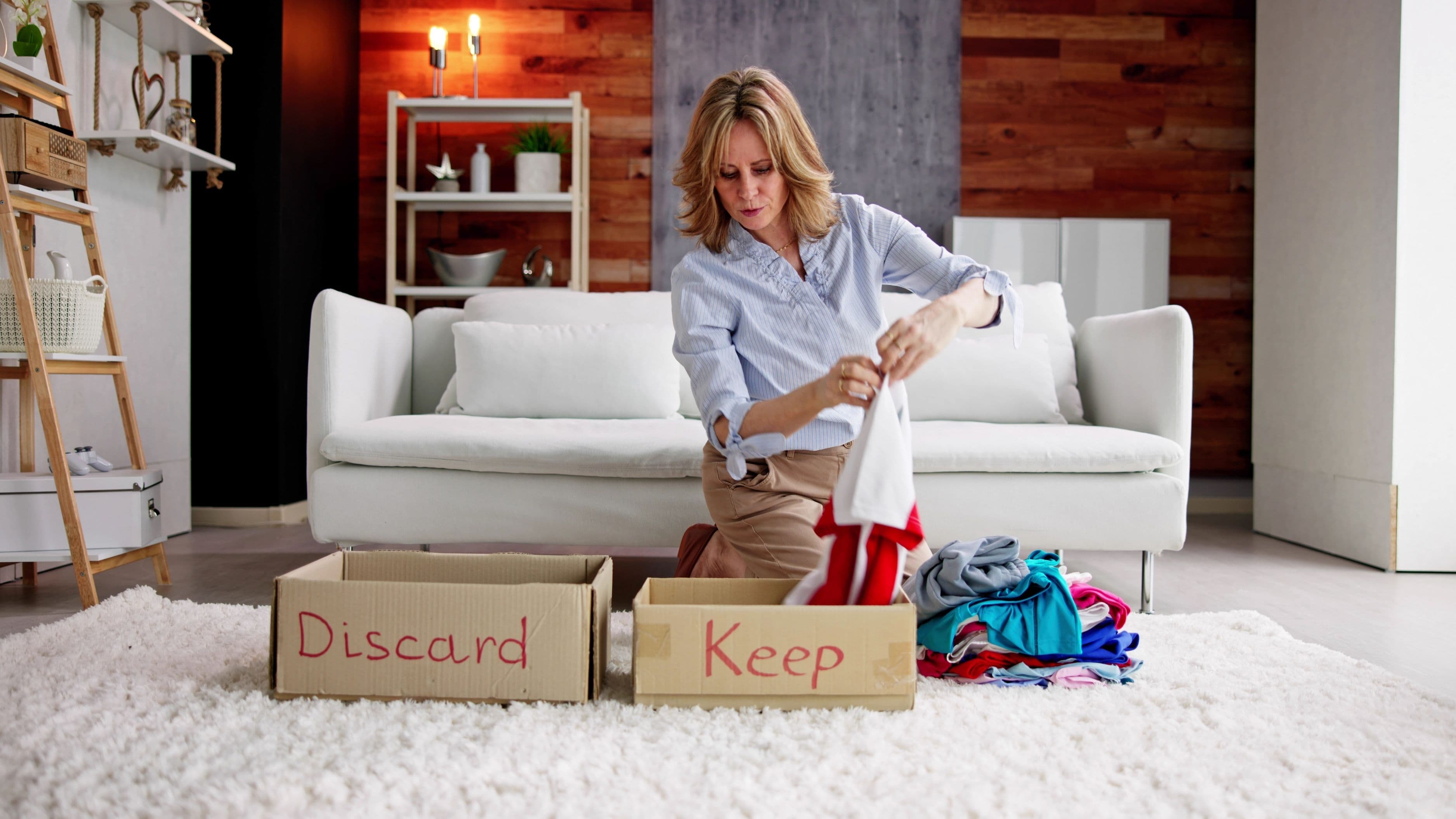
Decluttering is one of the most grounding things you can do for your home environment — and selling what you clear out turns the process into something that also lightens your finances. This guide will walk you through both: how to sort through what you have with intention, and how to actually sell the things that deserve a second life somewhere else.
Why Decluttering Feels Hard (and Why That's Normal)
Before the practical steps, it's worth acknowledging something: decluttering is emotionally harder than it looks. Objects carry memories. They represent past selves, unrealized intentions, or gifts from people you care about. Letting go of a item can feel like letting go of something more — a version of yourself, a hope, a relationship. That's not irrational. It's human.
The goal isn't to become someone who owns nothing and feels nothing. It's to create a home where the things around you are ones you've chosen with awareness — things that serve your life now, not a life you used to have or hoped to have. That's a gentler framing than "get rid of stuff," and it tends to make the process feel more like an act of care than a chore.
Give yourself permission to go slowly. One drawer, one shelf, one category at a time is enough.
Step 1: Shift Your Mindset Before You Touch a Single Thing
The biggest decluttering mistake people make is starting without a clear sense of why they're doing it. If the motivation is vague — "I should probably clean up" — the process will stall the moment it gets uncomfortable, which it will.
Before you begin, spend a few minutes thinking about what you actually want your space to feel like when you're done. Not what it looks like in a magazine — what it feels like for you. Calmer? More functional? Easier to maintain? More spacious? Holding that vision as your anchor makes it easier to make decisions about individual objects, because you have a reference point: does keeping this move me toward that feeling, or away from it?
Some people find it helpful to write this down or even take a photo of a corner of their home that already feels right — a spot that's peaceful, clear, and useful. That becomes the standard you're working toward everywhere else.
Step 2: Work by Category, Not by Room
Room-by-room decluttering sounds logical, but it often leads to redistributing clutter rather than reducing it — you move things from one space to another without making real decisions. Working by category is more effective because it forces you to see the full volume of what you own in a given area.
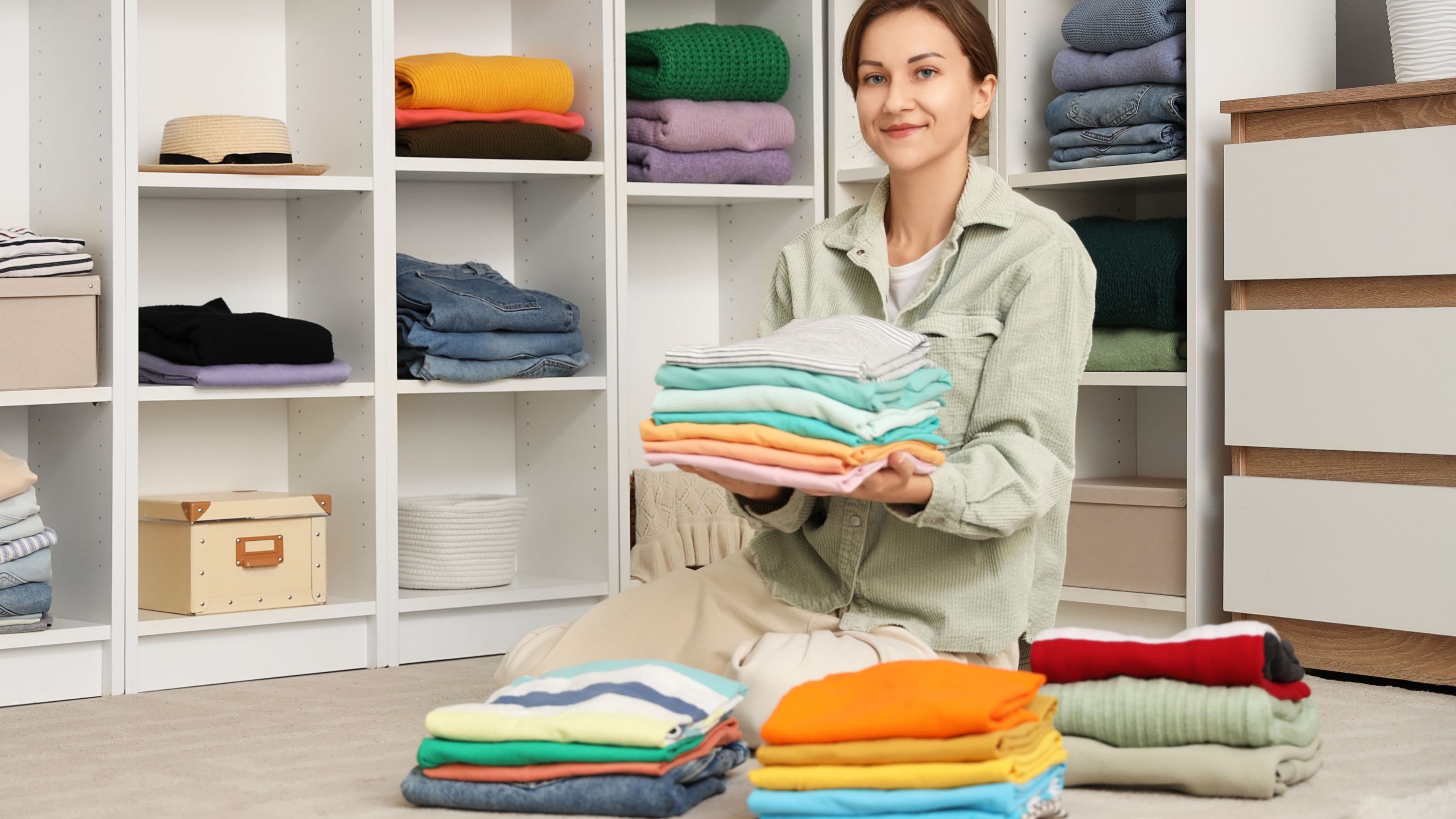
Pull everything from one category together at once. All the books. All the kitchen gadgets. All the jackets. Seeing the whole pile makes it much easier to recognize what you actually use, what you have duplicates of, and what you've been storing out of habit rather than genuine need.
A reasonable order for most households: clothing and textiles first (high volume, relatively easy decisions), then books and media, then kitchen and home goods, then sentimental items last. Sentimental objects are genuinely harder — leave them for when you've had practice making decisions about things with less emotional charge.
Step 3: Sort with Three Destinations in Mind
For every item you pick up, you're making one of three decisions: keep it, let it go, or set it aside for more thought. Be honest with yourself about that third category — it's a useful pause for genuinely uncertain items, but it shouldn't become a holding pen for avoidance. Limit your "not sure" pile and return to it within a day or two.
For the items you're releasing, decide quickly whether they belong in one of three further buckets:
Sell — items in good condition that have resale value. Clothing, electronics, furniture, books, collectibles, tools, sporting goods, and kitchen equipment all sell well if cared for.
Donate — items that are still useful but not worth the effort to sell, or that you'd rather give directly to someone who needs them. Clothing in average condition, household basics, toys, and books do well at thrift stores, shelters, and local Buy Nothing groups.
Recycle or responsibly dispose — items that are worn out, broken beyond repair, or not accepted by donation centers. Many communities have specific drop-off points for electronics, textiles, and household chemicals.
Keeping these destinations clear as you sort keeps the process moving and prevents the "maybe I'll deal with this later" pile from growing indefinitely.
Step 4: Prepare Your Items for Sale
Getting money for your things doesn't have to be complicated, but a little preparation makes a meaningful difference in how fast items sell and what they sell for. Items that are clean, photographed well, and described honestly move quickly. Items that are listed with blurry photos and no description sit for weeks.
For each item you plan to sell, spend a few minutes on these basics:
Clean it. A shirt that's been sitting in a drawer smells like it. A piece of furniture with dust on it photographs poorly. A quick wipe-down or wash makes things look and smell significantly more appealing.
Photograph it clearly. Natural light is your best tool — no flash, no dark corners. Shoot from multiple angles and include any flaws (a small scratch, a minor stain) in your photos. Honest listings build trust and prevent disputes.
Write a straightforward description. Include the brand if relevant, the size or dimensions, the condition, and anything a buyer would want to know. Keep it short and factual — you're not writing an ad, you're giving someone the information they need to make a quick decision.
Price realistically. Search for the same or similar items on the platform you're using and price yours at the midpoint or slightly below for a faster sale, or at the higher end if you're not in a hurry. Attachment to what you paid doesn't serve you here — what it's worth now is what someone will pay for it today.
Step 5: Choose the Right Platform for What You're Selling
Different categories sell best in different places. Matching what you have to where buyers are looking saves significant time and frustration.
Facebook Marketplace is best for furniture, large household items, and local sales where you don't want to deal with shipping. It's free to list, has a large local audience, and the transaction happens in person — which is ideal for anything heavy or fragile.
eBay works well for electronics, collectibles, vintage items, branded clothing, and anything with a specific resale market. Buyers come to eBay specifically looking for things that have value, so a niche or well-branded item often sells faster and for more here than anywhere else.
Poshmark and Depop are clothing-specific and have active communities of fashion-minded buyers. Poshmark skews slightly older with a focus on brands and condition; Depop tends toward vintage, unique pieces, and a younger audience. If you have a lot of clothing to sell, one of these is worth the setup time.
Etsy is the right home for handmade items, vintage goods (20+ years old), and craft supplies. If you've accumulated vintage kitchenware, old jewelry, or interesting objects with some age to them, Etsy buyers are specifically looking for those things.
Local Buy Nothing groups (on Facebook or the Buy Nothing app) aren't for selling — but for items you want to give away quickly to neighbors rather than donating to a thrift store, they're excellent. Items go fast, recipients are local, and there's something genuinely nice about knowing your things went to someone nearby who wanted them.
Step 6: Manage the Selling Process Without Letting It Consume You
One of the most common reasons people stop mid-declutter is that selling becomes a part-time job. Messages to respond to, offers to negotiate, no-shows for pickups — it can start to feel like more trouble than it's worth. A few habits keep the process manageable.
Set a specific time window for listing and managing sales — maybe 20–30 minutes a few evenings a week — rather than leaving it open-ended. Batch your listings rather than doing them one at a time. If something hasn't sold within two to four weeks, either lower the price significantly or move it to the donate pile. The goal is to keep moving, not to optimize for maximum return on every item.
For anything you've been holding for months waiting for the "right" buyer, ask yourself honestly whether the mental overhead of keeping it listed is worth more than just donating it and being done. For most items, the answer is no.
What to Avoid
Decluttering in one intense weekend session. This approach tends to burn out quickly, results in hasty decisions you later regret, and often ends with boxes of "stuff to deal with later" that sit in the hallway for months. Slow and steady works better than a single marathon.
Keeping things out of guilt. Gifts you never used, purchases you regret, things you "might need someday" — these tend to accumulate quietly and generate the most internal resistance. It's okay to release an object without releasing the person or memory it represents. The memory lives in you, not in the thing.
Donating broken or truly worn-out items. Thrift stores are not trash collection — donating unusable items adds labor costs to organizations already stretched thin. If something is genuinely at the end of its life, let it go through proper disposal rather than offloading the decision to someone else.
Waiting until everything is perfect before listing. Good enough photos and a clear description will sell an item. Waiting until you have perfect lighting, a better background, or more time often means items never get listed at all.
FAQ
How do I declutter without getting emotionally overwhelmed? Start with low-stakes categories — things with little emotional charge, like duplicates, expired items, or things you genuinely haven't touched in years. Build your decision-making muscle there before moving to sentimental items. Give yourself permission to take breaks and spread the process over days or weeks rather than trying to finish in one session.
What if I declutter and then miss something I got rid of? It happens occasionally, but rarely for things that were genuinely no longer serving your life. If you're worried about it, take a photo of items you're uncertain about before letting them go — you keep the memory of the object without keeping the object itself. In practice, most people find that once something is gone, they stop thinking about it quickly.
Is it worth selling lower-value items, or should I just donate them? A rough threshold: if something would sell for less than $10 and requires time to list, photograph, and ship, donation is usually the better choice for your sanity. Save your selling energy for items worth $15–$20 or more, or for categories where you have a lot to sell at once (like a bundle of children's clothing).
How do I stay safe when selling locally? Meet in public places when possible — a coffee shop parking lot or a busy area. If someone is picking up from your home, have a second person present. Trust your instincts. Most local transactions go smoothly, but there's no reason to take unnecessary risks.
What do I do with the money I make from selling? This is worth deciding in advance, because having a purpose for the money makes the selling process feel more motivated. Common choices: a specific savings goal, a fund for an experience rather than more things, paying down a debt, or donating a portion to a cause your family cares about. Connecting the proceeds to something meaningful closes the loop nicely.
A Final Thought
Decluttering is an act of honesty — with yourself, about what you actually use, value, and need. The selling piece adds a practical layer that rewards the effort and keeps usable things in circulation rather than landfills. But the deeper return on this process isn't financial. It's the quieter, lighter feeling of a home where everything has been chosen with at least some awareness.
That's worth more than whatever the stuff sells for.
📚 Sources
The Minimalists – Why We Have Too Much Stuff – https://www.theminimalists.com/stuff/
Psychology Today – The Psychology of Clutter – https://www.psychologytoday.com/us/blog/the-truisms-wellness/201905/the-psychology-clutter
Facebook Marketplace – How to Sell Locally – https://www.facebook.com/marketplace/learn-more
Poshmark – How to Start Selling – https://poshmark.com/sell
eBay – Seller Center: Getting Started – https://www.ebay.com/sellercenter/resources/new-seller-checklist
Etsy – What Can I Sell on Etsy? – https://www.etsy.com/seller-handbook/article/what-can-i-sell-on-etsy/22972264973
Buy Nothing Project – How It Works – https://buynothingproject.org/about/