Think of gratitude as the Marie Kondo of your emotional life. Instead of asking whether your old blazer "sparks joy," you're asking whether your mindset does. Spoiler: most of us are hoarding mental clutter like a storage unit full of 2009 anxieties. Practicing gratitude daily is how you start clearing that out — one intentional moment at a time. This isn't about toxic positivity or pretending your Monday traffic was secretly delightful. It's about training your brain to notice what's already working, even when the rest feels like a hot mess with a side of burnout.
So, if you're ready to feel less like a human to-do list and more like a person who actually lives, here are ten surprisingly doable ways to practice gratitude every single day.
1. The "Three Good Things" Breakfast Ritual
Before you reach for your phone in the morning — yes, before the Instagram check, before the news spiral — try this: while your coffee brews, name three specific things you're grateful for. Not vague ones like "my health" (we see you, autopilot). Try something like "the way sunlight hit the kitchen floor this morning" or "my dog's ridiculous enthusiasm about literally everything." Specificity is the secret sauce here, because it forces your brain out of autopilot and into genuine presence.
This practice comes from a landmark study by psychologists Martin Seligman and Martin Peterson, who found that writing down three good things each day — and reflecting on why they happened — significantly increased happiness and decreased depressive symptoms over a six-month period. The brain, much like a golden retriever, tends to go where you point it. Point it toward gratitude first thing, and you'll be amazed how the rest of the day shifts.
2. The Gratitude Journal That Doesn't Collect Dust
Let's be honest: most of us have started a gratitude journal, wrote in it twice, and watched it slowly migrate under a pile of mail. The trick isn't discipline — it's design. Keep your journal somewhere obnoxiously visible, like next to your toothbrush or on top of your TV remote. Pair it with something you already do every day, and it stops feeling like homework.
The entries don't need to be poetic or profound. One sentence is enough. "Today I'm grateful for leftovers that actually tasted better the second day" is a completely valid and deeply relatable entry. What matters is the act of pausing, noticing, and writing it down — because physically putting words on paper creates a different kind of mental anchor than just thinking something. Over time, those pages become a highlight reel of a life that's actually pretty good.
3. The "Micro-Gratitude" Text Bomb
Here's a wildly underrated move: text someone out of the blue to tell them something specific you appreciate about them. Not a birthday, not a favor — just because. Something like, "Hey, I was thinking about that time you talked me through my job panic at 11pm. You're the real MVP." Watch what happens to your mood in the process. Giving gratitude is almost as potent as receiving it.
Research from the Wharton School at the University of Pennsylvania found that people consistently underestimate how much a genuine expression of gratitude impacts the recipient — and senders almost always feel better afterward too. It's a two-for-one emotional upgrade. Think of it as sending a vibe into the universe and having it ricocheted straight back at you.
4. The Sensory Reset Walk
Sometimes the most powerful gratitude practice has nothing to do with writing or thinking — it's about feeling. Take a 10-minute walk outside with one rule: no headphones, no phone, no podcasts. Just you, your senses, and whatever's happening around you. Notice the temperature on your skin. The smell of cut grass or coffee drifting from a window. The sound of kids playing down the street. Let the world fill in the blank that stress has been occupying.
This works because gratitude isn't just cognitive — it's somatic. When you tune into your senses, you're quite literally telling your nervous system, "We're safe. This is good." It interrupts the cortisol loop that modern life loves to keep spinning. Feel the calm wash over you as your shoulders drop a full two inches from your ears. That's not woo-woo magic. That's your body remembering what peace feels like.
5. The Reframe Game
Every time something mildly annoying happens — your meeting runs long, your Wi-Fi cuts out, your coffee gets cold — play the Reframe Game. Ask yourself: "Is there anything here I can appreciate?" Sometimes the answer is legitimately no, and that's fine. But often, you'll find something. A long meeting might mean your team actually cares enough to debate. Cold coffee means you had coffee to begin with. It sounds almost irritatingly optimistic — but that's kind of the point.
Psychologist Rick Hanson, author of Hardwiring Happiness, describes the brain as having a negativity bias baked into our evolutionary wiring — we're literally designed to notice what's wrong faster than what's right. The Reframe Game isn't about ignoring problems; it's about giving your brain equal airtime for the good stuff. Over time, this actually rewires neural pathways — a process Hanson calls "taking in the good." Your brain starts looking for silver linings the way it used to look for threats.
6. The Gratitude Alarm (No, Really)
Set an alarm on your phone — somewhere mid-afternoon, when energy dips and cynicism peaks — and label it something like "PAUSE. What's good right now?" When it goes off, stop for 60 seconds. Look around. Think of one thing in your immediate environment that you're glad exists: your comfortable chair, your window view, the coworker who always makes the coffee extra strong. Just one thing. Sixty seconds.
This tiny interruption disrupts the default mode of rushing through your day and inserts a micro-dose of presence right when you need it most. It's the mental equivalent of splashing cold water on your face — brief, but genuinely resetting. The more consistently you practice this, the less you'll actually need the alarm, because your brain starts doing it naturally. That's when you know it's working.
7. The "What Went Right" Debrief
At the end of your day — in bed, in the bath, on the couch — resist the reflex to replay every awkward moment, missed deadline, or poorly worded email. Instead, ask: "What went right today?" It doesn't have to be monumental. "I made it through back-to-back meetings without losing my mind" absolutely counts. So does "I ate a genuinely good apple." So does "I remembered to call my mom."
This practice directly counters what psychologists call "negativity dominance" — our tendency to let one bad thing outweigh ten good ones. According to a 2003 study published in the Journal of Personality and Social Psychology, negative events have roughly three times the psychological impact of positive ones. The "What Went Right" debrief is your daily counterbalance. It won't erase hard days; it'll just make sure the good parts don't get buried under them.
8. The Gratitude Jar (Physical, Tactile, Surprisingly Powerful)
Get a jar — any jar, an old pasta sauce jar is perfectly appropriate and vaguely poetic. Keep a small notepad and pen nearby. Whenever something good happens — a compliment, a breakthrough, a moment of unexpected beauty — write it down and drop it in the jar. Then, on hard days or at year's end, pull out the slips and read them. Prepare to be genuinely moved by how much good has quietly accumulated.
The physical act of writing and dropping something into the jar makes gratitude feel ceremonial — like you're honoring the moment rather than just logging it. There's something deeply satisfying about watching the jar fill up. It becomes visible proof that your life is richer than your stress makes it feel. Some people call this a "Joy Jar." Call it whatever you want. Just make it yours.
9. Gratitude Meditation (For the Non-Meditators)
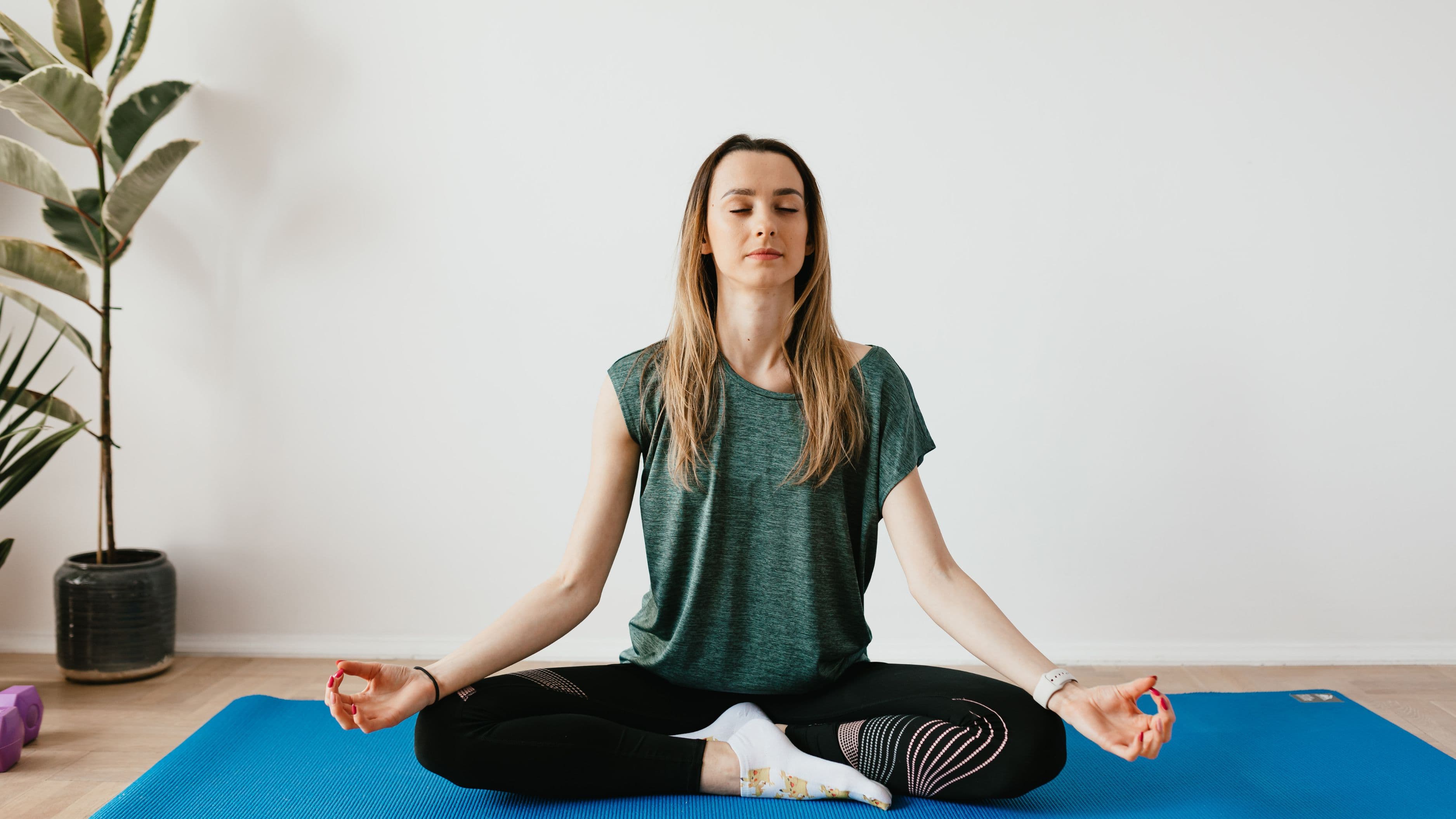
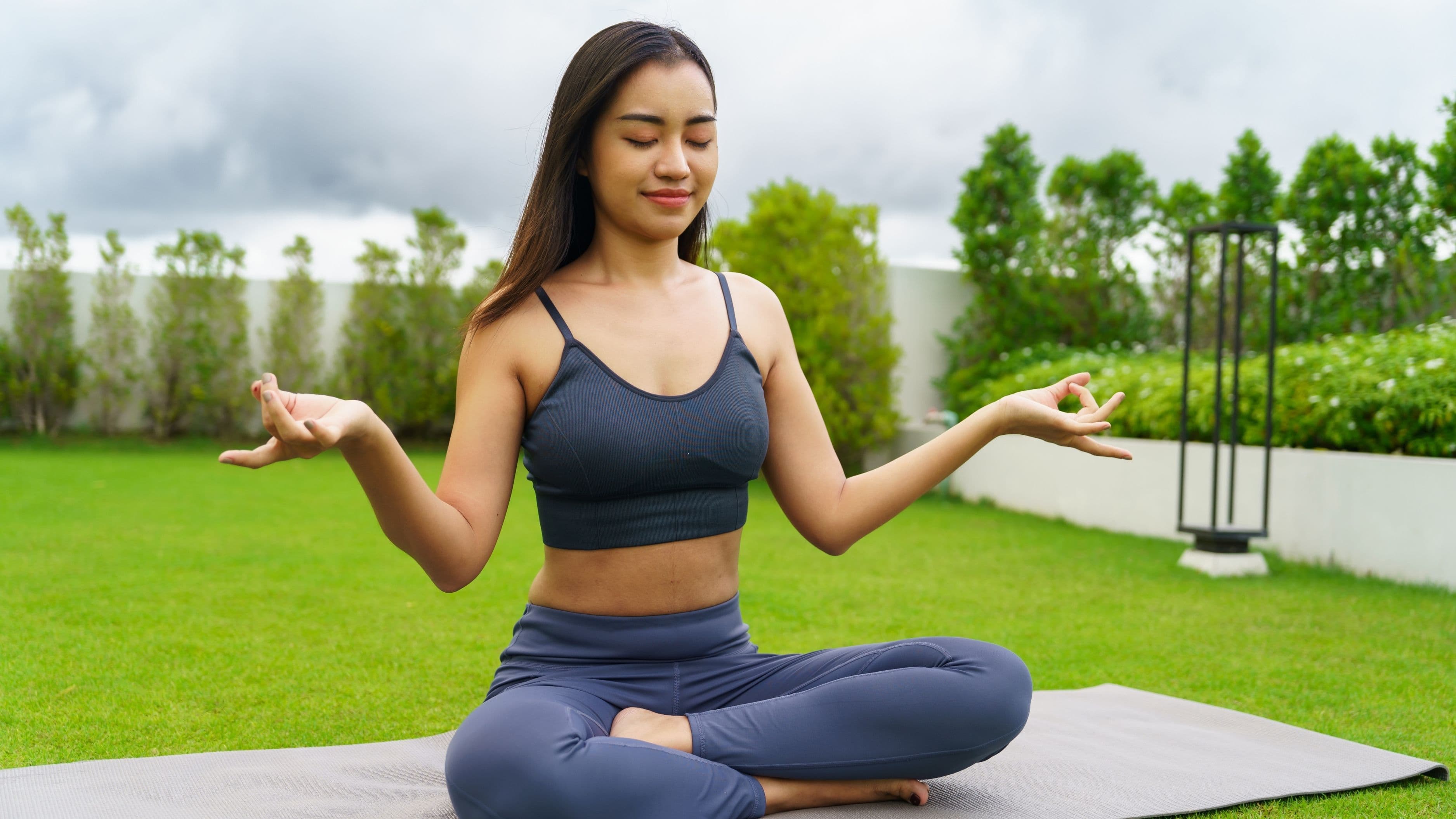
Here's the thing about meditation: most people who think they can't meditate just haven't found the right entry point. Gratitude meditation is one of the gentlest. Sit comfortably, close your eyes, and spend five minutes mentally thanking things — your body for working, your home for sheltering you, the people who love you. You're not trying to empty your mind. You're filling it with something intentional. Let warmth spread from your chest outward as you name each thing silently.
A 2015 study published in Psychotherapy Research found that gratitude-based writing and meditation exercises produced lasting positive effects on mental health, including reduced anxiety and depression. The effects aren't just emotional — gratitude practices have been linked to better sleep, lower blood pressure, and stronger immune function, according to research from the Greater Good Science Center at UC Berkeley. Five minutes of directed warmth is not a small thing. It's actually kind of extraordinary.
10. The Gratitude Letter You Never Have to Send
Think of someone who made a meaningful difference in your life — a teacher, a friend, a stranger who showed up at exactly the right moment — and write them a letter. Be specific. Be generous. Tell them exactly what they did and what it meant to you. Then decide whether you want to send it or keep it. The magic, researchers have discovered, happens in the writing itself, not the sending.
Martin Seligman's "gratitude visit" exercise — writing and delivering a letter of gratitude — was found to produce one of the highest spikes in happiness of any positive psychology intervention studied, and the effects lasted for weeks. Even if you never send the letter, you've activated something real inside yourself. You've reminded your own brain that you've been loved, supported, and shaped by people worth celebrating. In a world that moves relentlessly forward, that kind of pause is quietly radical.
Start Small, Stay Real
Here's the deal: you don't need to do all ten of these. You don't need to become a gratitude evangelist or post sunrise photos with wellness captions (unless that's genuinely you, in which case, carry on). Start with one. Just one thing, once a day, that redirects your attention from what's missing to what's already here.
Your life doesn't need to be perfect to be worth appreciating. It just needs to be noticed. Gratitude isn't a destination — it's a daily decision to look for the light, even when the power bill is overdue, the kids are feral, and your WiFi has opinions. Practice it long enough, and you'll find that the world hasn't changed. You have. And that, quietly, changes everything.
📚 Sources
Seligman, M. E. P., Steen, T. A., Park, N., & Peterson, C. (2005). Positive psychology progress: Empirical validation of interventions. American Psychologist, 60(5), 410–421.
Grant, A. M., & Gino, F. (2010). A little thanks goes a long way: Explaining why gratitude expressions motivate prosocial behavior. Journal of Personality and Social Psychology, 98(6), 946–955. University of Pennsylvania / Wharton School.
Hanson, R. (2013). Hardwiring Happiness: The New Brain Science of Contentment, Calm, and Confidence. Harmony Books.
Baumeister, R. F., Bratslavsky, E., Finkenauer, C., & Vohs, K. D. (2001). Bad is stronger than good. Review of General Psychology, 5(4), 323–370.
Wong, Y. J., Owen, J., Gabana, N. T., et al. (2015). Does gratitude writing improve the mental health of psychotherapy clients? Evidence from a randomized controlled trial. Psychotherapy Research, 28(2), 192–202.
Greater Good Science Center, UC Berkeley. (n.d.). The Science of Gratitude. Retrieved from https://ggsc.berkeley.edu/images/uploads/GGSC-JTF_White_Paper-Gratitude-FINAL.pdf