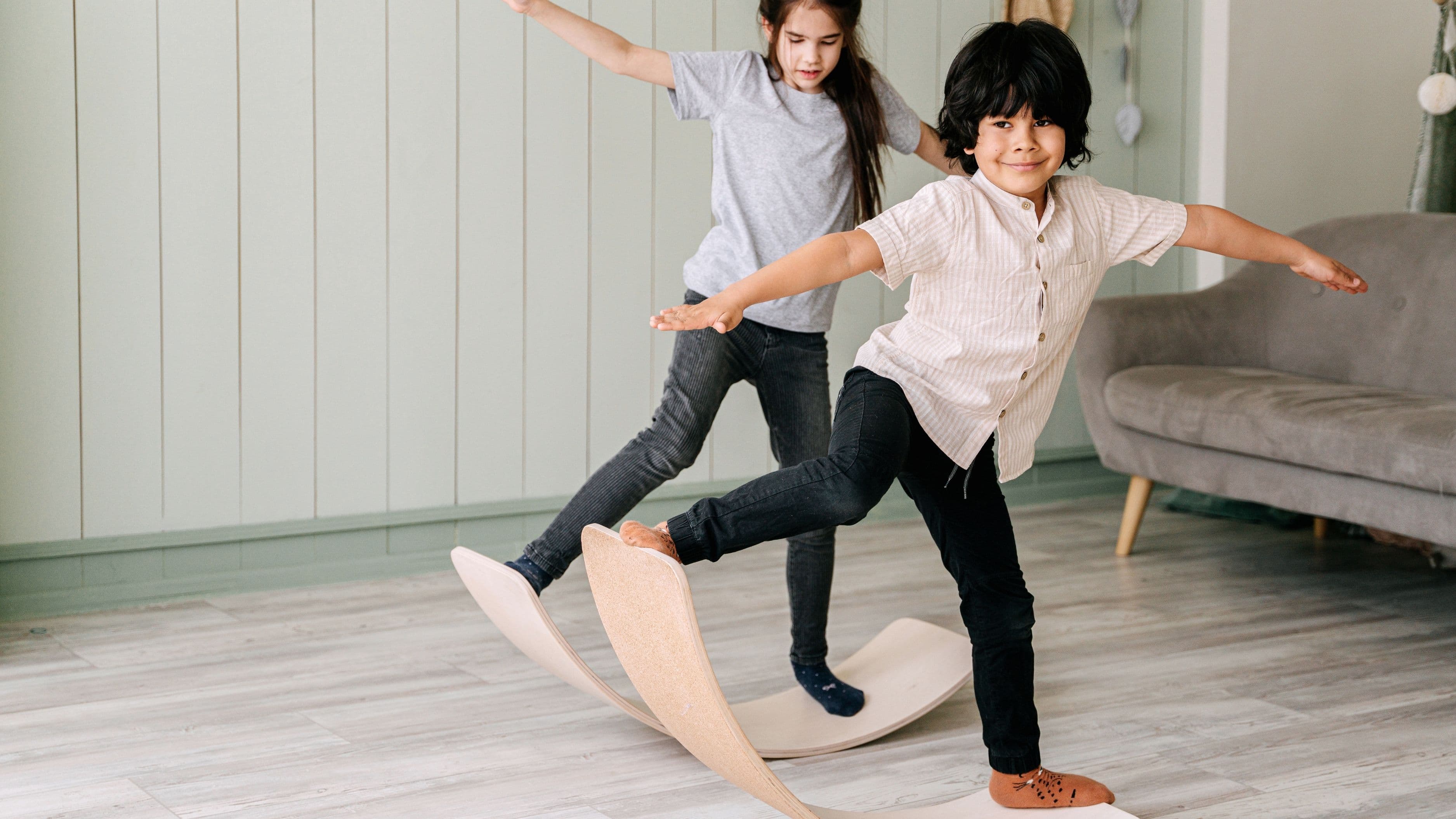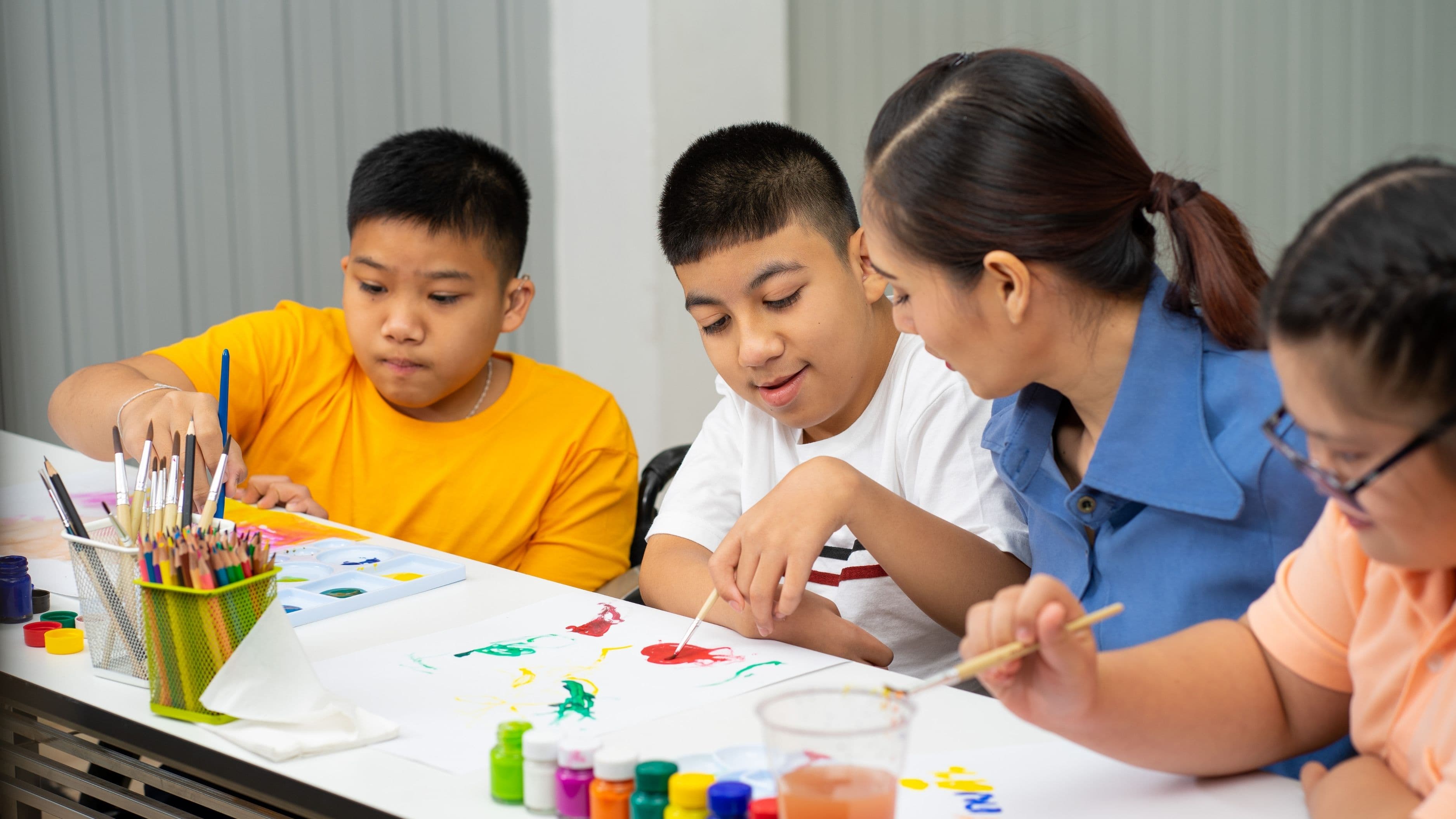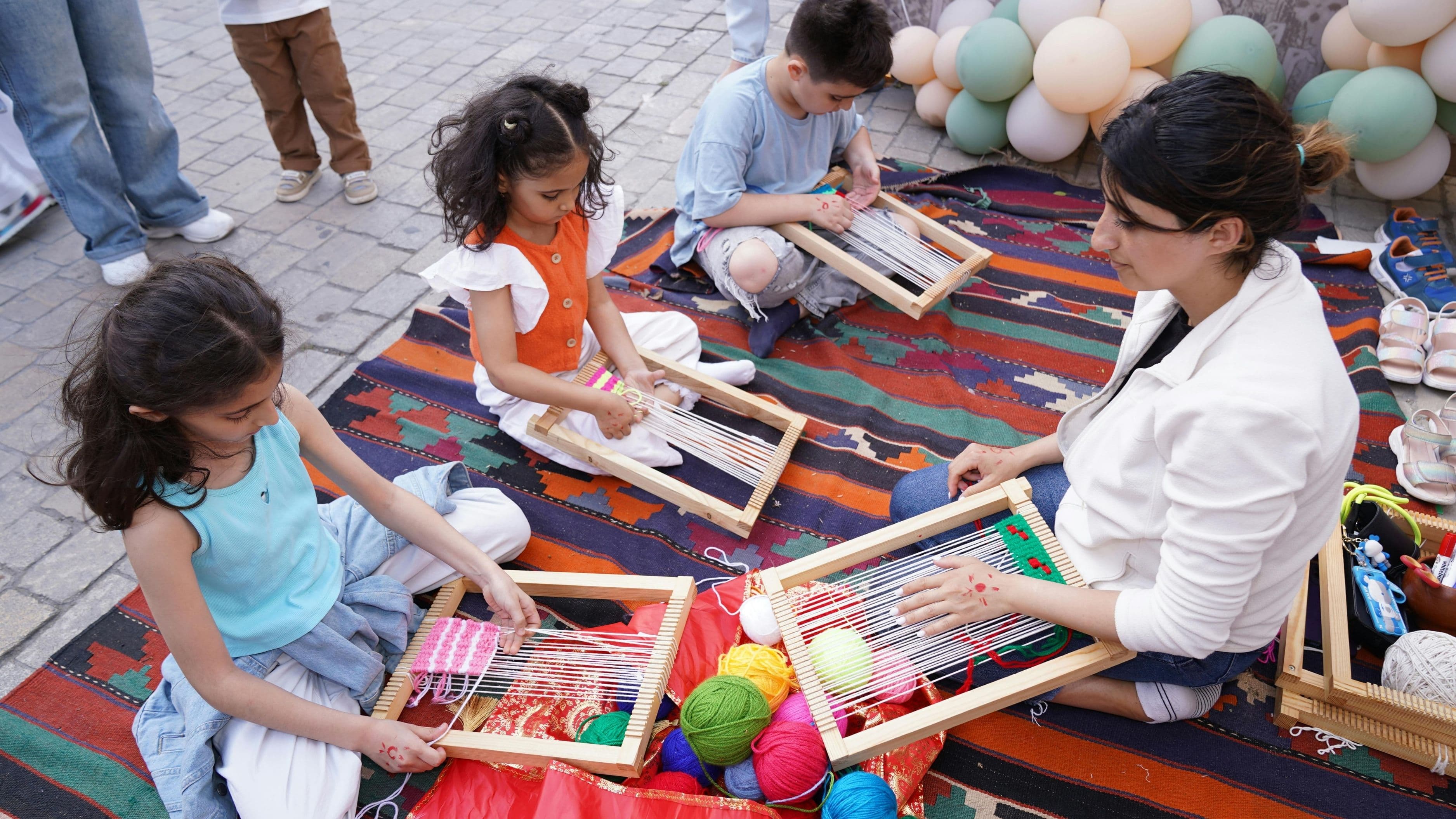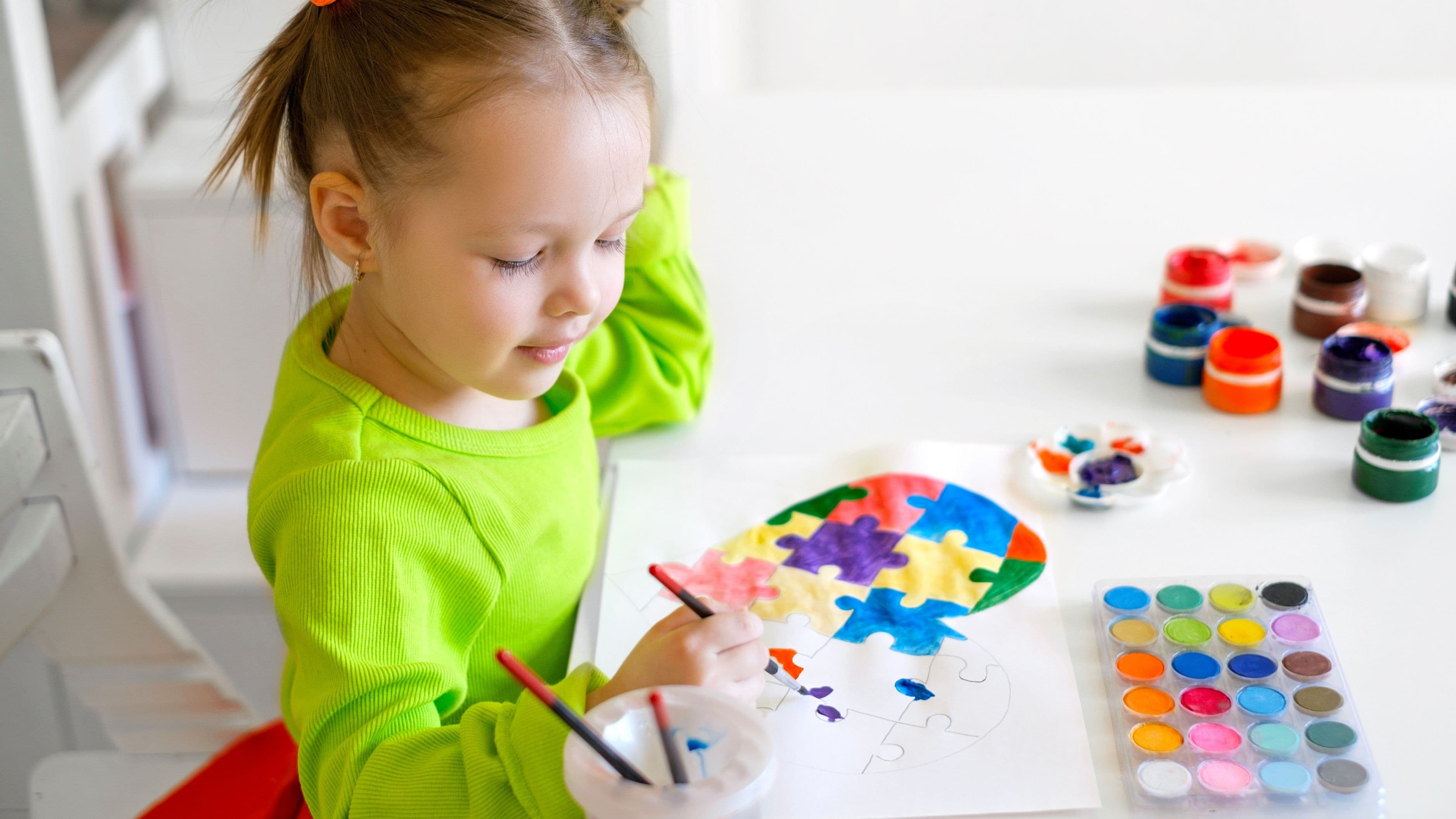
Here's the uncomfortable truth most parenting books skip: we often accidentally train critical thinking out of children. We rush to answer their questions, praise them for getting the "right" answer fast, and hand them solutions before their brains even get to stretch. We mean well — of course we do — but in doing so, we quietly send the message that thinking is a problem to solve quickly, not a process worth savoring.
The good news? Rewiring that pattern doesn't require a curriculum overhaul or a philosophy degree. It just takes a shift in how you ask questions, how you respond to mistakes, and how much beautiful, productive discomfort you're willing to let your child sit in. Let's dig in.
1. Ditch "What's the Answer?" — Ask "What Do You Think?"
This is the single most powerful swap you can make, and it costs you exactly nothing. Instead of asking questions with one correct answer — "What color is the sky?" — try open questions that invite reasoning: "Why do you think the sky looks different at sunset?" Feel the difference? One closes a door. The other flings it wide open.
Children are hardwired to seek adult approval, which means when they sense there's a "right" answer, they'll often guess toward what they think you want to hear rather than genuinely engaging their own reasoning. Open questions break that approval-seeking loop. They signal that your child's thinking is the goal — not a correct output. Over time, this builds a kind of intellectual confidence that no gold star sticker can replicate.
2. The Beautiful Power of "I Don't Know"
Say it with me: "I don't know — let's find out together." For many parents, admitting uncertainty feels like losing authority. But in the context of raising a thinker, those five words are pure gold. When you model curiosity — when your child sees you genuinely not knowing something and choosing to investigate rather than bluff — you teach them that not-knowing is the beginning of thinking, not a failure state.
Kids who grow up in households where adults pretend to know everything often develop a hidden fear of uncertainty. They avoid hard questions. They disengage when things get complicated. But kids who watch the adults they love lean into curiosity? They do the same. The next time your child asks why volcanoes explode, why people get old, or why the moon follows the car — resist the urge to Wikipedia it instantly. Sit in the wondering together for a moment first. That pause is where thinking is born.
3. Let the Wrong Answer Breathe
Here's a radical act of parenting: when your child gives a wrong answer, don't correct it immediately. Instead, ask a follow-up: "That's interesting — what made you think that?" This does two things simultaneously. First, it keeps the thinking going rather than shutting it down. Second, it treats your child's reasoning process as worthy of attention, even when the conclusion is off.
A 2019 study published in Psychological Science found that children who were encouraged to explain their reasoning — even when wrong — demonstrated significantly stronger problem-solving skills over time compared to children who were simply corrected. The brain learns more from working through an error than from being handed the right answer. So let the wrong answer breathe. Give it a little room. Then guide, don't tell.
4. Turn Boredom Into a Thinking Gym
"I'm bored" is the phrase that sends most parents scrambling for an activity, a screen, or a snack. But boredom — that restless, uncomfortable, nothing-to-do feeling — is actually one of the richest environments for creative and critical thinking to emerge. When a child is bored and not immediately rescued, their brain has to generate something. That generation is thinking. That generation is problem-solving. That generation is, frankly, a gift.
Dr. Stuart Brown, founder of the National Institute for Play, has written extensively about how unstructured time is essential to cognitive and creative development in children. The next time your kid wanders up complaining of boredom, try this: smile, nod, and say "I wonder what you'll come up with." Then walk away. It might get uncomfortable for a few minutes. But what follows — the fort, the game, the invention, the elaborate imaginary universe — is the sound of a young mind doing exactly what it was built to do.
5. Question the Story, Not Just the Facts
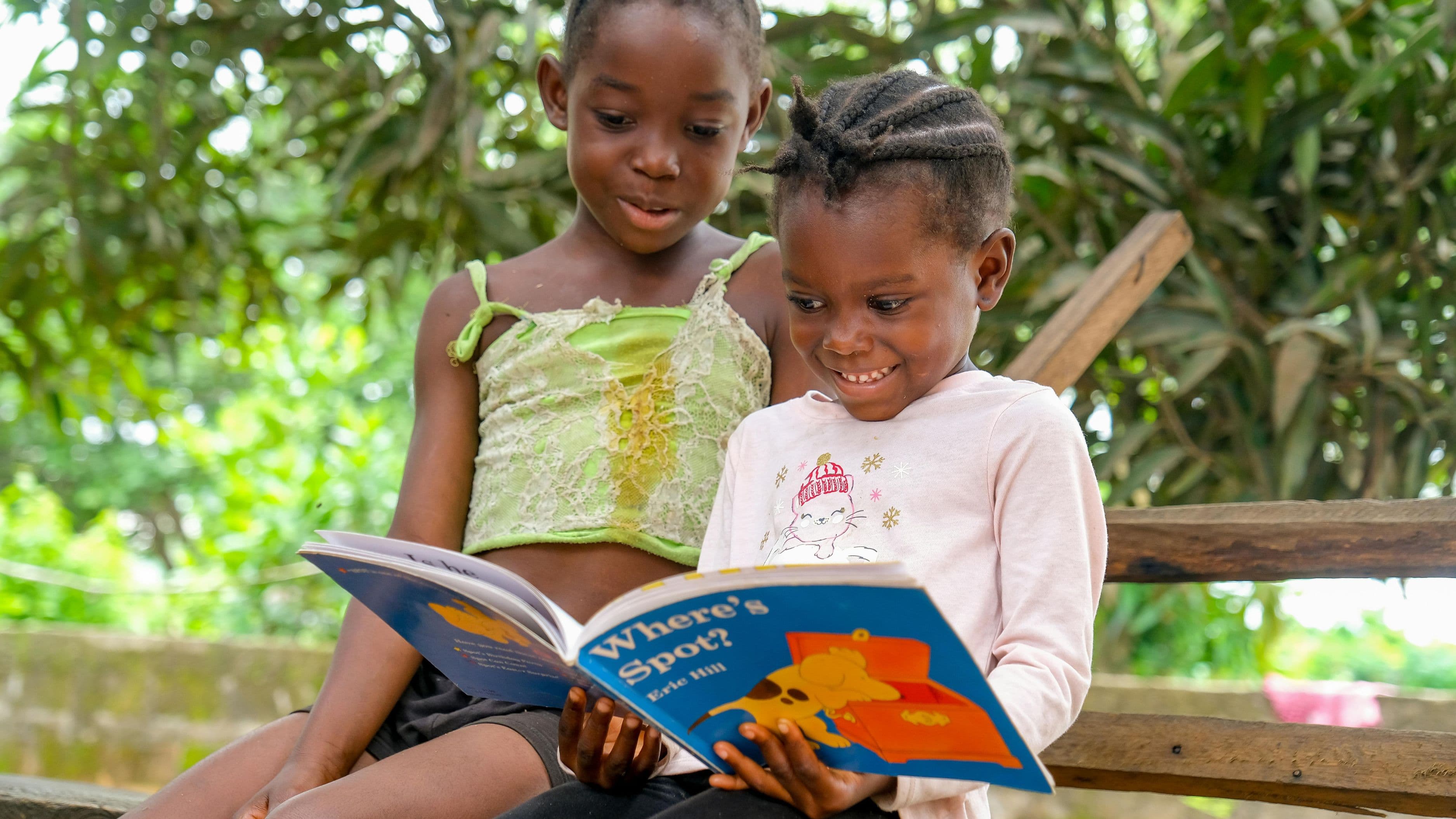
Read a lot to your kids? Fantastic. Now add one habit: pause mid-story and ask questions that go beyond the plot. "Why do you think the wolf was so angry?" or "Do you think the youngest brother was actually the smartest, or just the luckiest?" These aren't comprehension questions — they're perspective questions. And perspective-taking is one of the foundational pillars of critical thinking.
When children learn to question narrative — to ask whose point of view a story is told from, whether a character's choices make sense, what might have happened differently — they develop the same skills they'll later use to evaluate news, arguments, advertising, and the opinions of their peers. Storytime becomes, quietly and joyfully, a training ground for one of the most important skills of the 21st century. All without anyone noticing it's "educational."
6. Make Predictions a Daily Ritual
Predictions are low-stakes, high-reward thinking exercises that work anywhere — in the car, in the kitchen, at the grocery store. "We're making pasta tonight — what do you think will happen if we put the noodles in before the water boils?" or "It's really cloudy today. What do you think will happen by the time we leave school?" Let them predict. Let them be wrong. Celebrate the whole cycle.
What you're actually building is a habit of hypothesis formation — the foundational move in all scientific and analytical thinking. Children who regularly practice predicting outcomes become adults who think before they act, consider consequences naturally, and feel comfortable with uncertainty because they've learned that being wrong just means you get more information. That's not failure. That's the scientific method in a tiny body.
7. Give Problems, Not Solutions
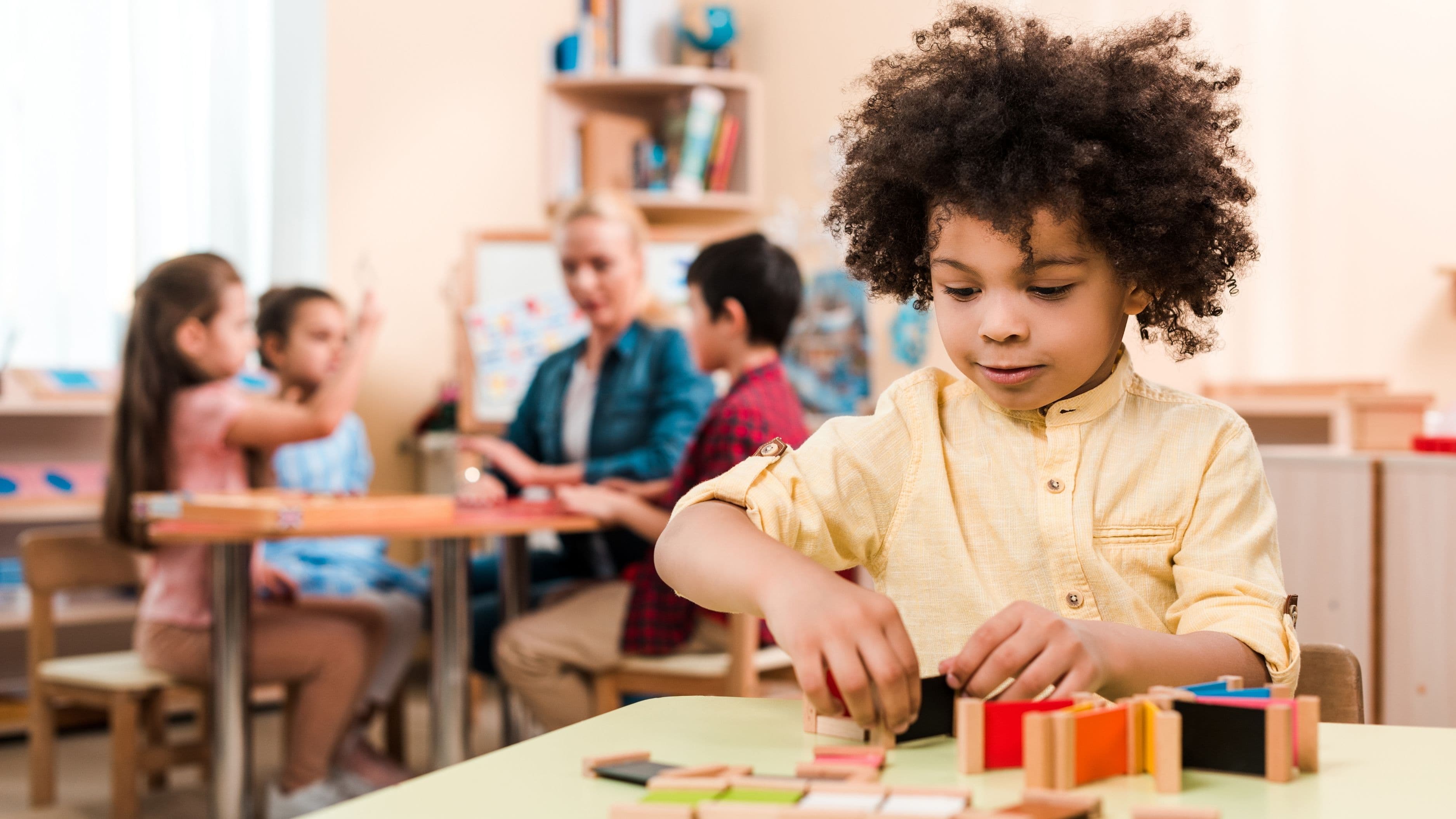
This one is genuinely hard for most parents, because our instinct is to help. But there's a version of helping that accidentally robs children of the very experiences that build thinking capacity. When your child can't figure out how to build the block tower without it falling, resist handing them the solution. Try instead: "Hmm, what do you think is making it fall? What could we try?"
The goal isn't to let them struggle forever — it's to insert a thinking moment before the rescue. Even a 60-second pause where a child has to generate one idea of their own before you step in changes the neurological experience of the problem entirely. According to developmental psychologist Lev Vygotsky's framework of the "zone of proximal development," the sweet spot for learning — and for building real cognitive muscle — is just beyond what a child can do independently, with gentle scaffolding rather than full solutions provided.
8. Debate at the Dinner Table (Nicely)
You don't need a formal debate team. You just need a mealtime question and a willingness to let your child push back on you. Try: "Do you think it's ever okay to keep a secret?" or "Is it better to be really good at one thing or pretty good at many things?" Then genuinely engage with their answer. Disagree sometimes. Ask them to defend their position. Let them change your mind if their reasoning is sound — and tell them when it is.
Kids who practice articulating and defending their opinions in a safe, loving environment develop something precious: the ability to disagree respectfully, to hold a position under pressure, and to update their views when presented with good evidence. These aren't just thinking skills — they're democracy skills. They're relationship skills. And they start with someone at the table taking a child's argument seriously enough to actually respond to it.
9. Embrace the "But Why?" Spiral
Every parent knows the exhausting loop of "but why?" — the child who takes your answer and immediately asks why that's true, and then why that's true, until you're somewhere deep in the philosophical weeds questioning the nature of gravity or the origin of language. Here's the reframe: that spiral is not annoying. That spiral is genius. That child is doing philosophy. That child is doing science. That child is doing exactly what Socrates did, just with a juice box.
Instead of shutting it down with "Because that's just how it is," try following it three or four levels deep. You might genuinely not know the answer by level three — and that's wonderful, refer to tip #2. The act of following a question to its depth teaches children that knowledge has layers, that surface answers are just the beginning, and that the most interesting thinking happens when you refuse to stop at "good enough."
10. Celebrate the Process, Not Just the Result
We live in an outcome-obsessed culture — grades, scores, winners, results. And while results matter, exclusively celebrating them sends children a hidden message: thinking only counts if it works out. That message quietly shuts down risk-taking, experimentation, and the kind of brave, exploratory cognition that actually produces original thought.
Make it a habit to celebrate the effort of thinking. "I love how you worked through that problem." "You tried three different things before it worked — that's exactly what great thinkers do." "I noticed you changed your mind when you got new information. That takes real intelligence." Research by Dr. Carol Dweck at Stanford has consistently shown that children praised for effort and process develop stronger growth mindsets and more resilient problem-solving abilities than those praised only for being "smart." The goal isn't a child who always gets it right. The goal is a child who loves to think.
The Bigger Picture
Critical thinking isn't a subject. It isn't a workbook, an app, or a weekend workshop. It's a relationship — between a child and the world around them, between a young mind and its own capacity for wonder. And you, the adult in their life, are the environment in which that relationship either flourishes or quietly withers.
You don't have to get it right every time. You don't have to ask the perfect question or hold back every answer with Zen-master patience. You just have to stay curious alongside them — to let them see that thinking is something you love, something you do, something worth doing slowly and well.
Your child's mind doesn't need to be perfectly trained — it just needs to be trusted, stretched, and shown that asking why is always, always worth it.
📚 Sources
Dweck, C. S. (2006). Mindset: The New Psychology of Success. Random House.
Richland, L. E., & Simms, N. (2015). "Analogy, higher order thinking, and education." Wiley Interdisciplinary Reviews: Cognitive Science, 6(2), 177–192.
Legare, C. H., & Lombrozo, T. (2014). "Selective effects of explanation on learning during early childhood." Journal of Experimental Child Psychology, 126, 198–212.
Brown, S. (2009). Play: How It Shapes the Brain, Opens the Imagination, and Invigorates the Soul. Avery Publishing.
Vygotsky, L. S. (1978). Mind in Society: The Development of Higher Psychological Processes. Harvard University Press.
Gruber, M. J., & Ranganath, C. (2019). "How curiosity enhances hippocampus-dependent memory." Psychological Science, 30(8), 1202–1210.