What Cortisol Actually Is
Cortisol is a hormone produced by the adrenal glands, released in response to stress as part of the body's fight-or-flight system. In short bursts, this is exactly what it's supposed to do – cortisol helps mobilize energy, sharpen focus, and prepare the body to respond to an immediate challenge, whether that's a genuine physical threat or a stressful deadline at work. This acute stress response is a healthy, adaptive system that's been part of human physiology for good reason.
The problem isn't cortisol itself – it's what happens when the systems triggering its release stay activated for weeks or months at a time, rather than resolving after the immediate stressor passes. Chronic stress keeps cortisol elevated well beyond its intended short-term purpose, and it's this prolonged elevation, not cortisol's normal function, that's associated with the health effects people are usually referring to in wellness conversations.
How Chronic Stress Affects the Body Generally
Sustained elevated cortisol has been linked in research to a range of effects, including disrupted sleep patterns, changes in appetite and metabolism, weakened immune response over time, and increased cardiovascular strain. This happens because cortisol, when chronically elevated, interferes with the body's normal regulatory rhythms – the natural rise and fall that's supposed to happen throughout a healthy day, peaking in the morning and gradually declining, gets disrupted, throwing off related systems that depend on that rhythm functioning properly.
This general pattern applies across genders, but the specific ways it manifests, and some of the underlying hormonal interactions involved, show meaningful differences between women and men, which is where the more specific research becomes genuinely useful to understand.
Why Women's Experience of Chronic Stress Can Differ
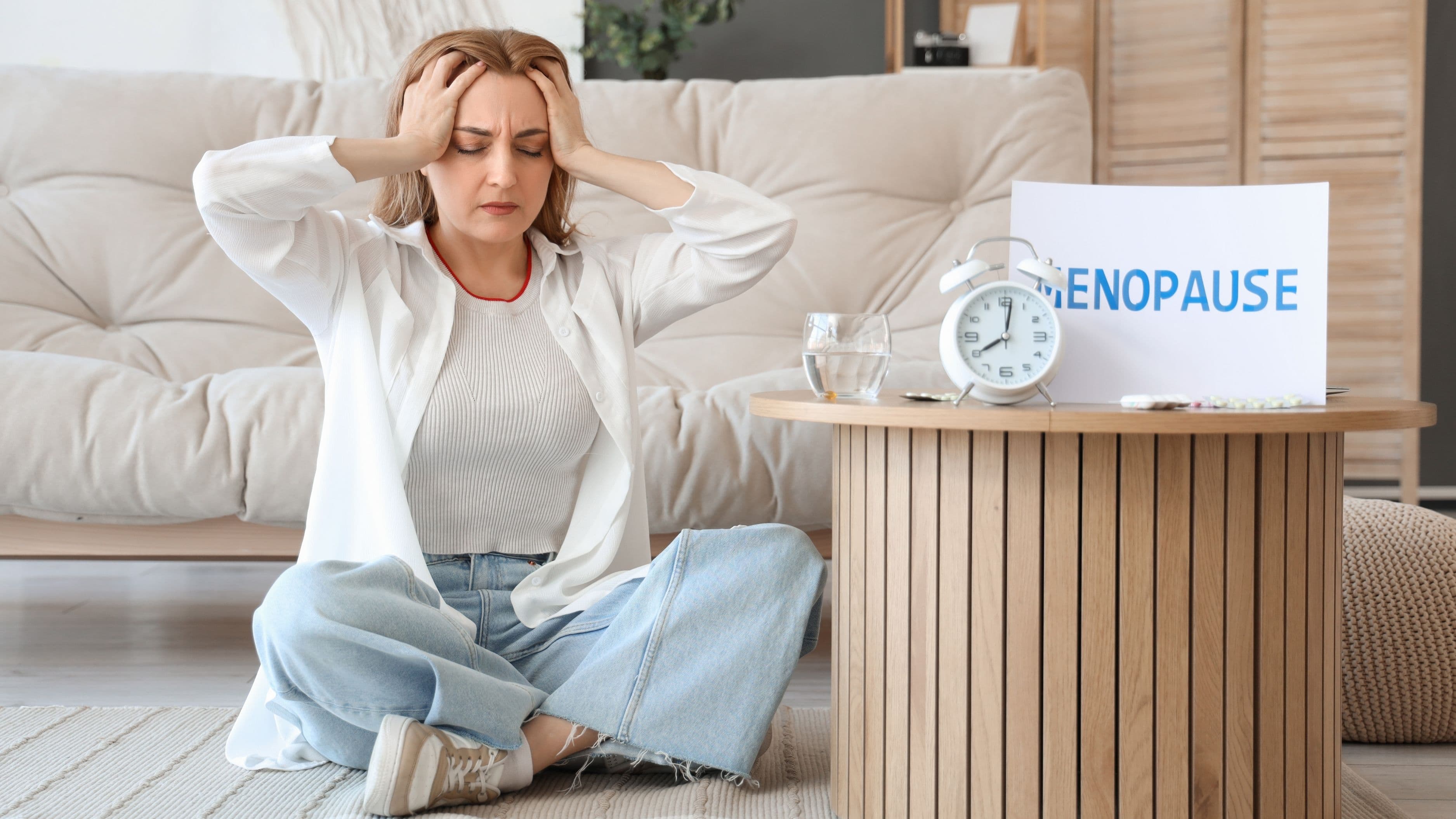
Estrogen and cortisol interact in ways that create some distinct patterns for women specifically. Research has shown that estrogen influences how the body regulates cortisol release and recovery, meaning fluctuations in estrogen across the menstrual cycle, and more significantly during perimenopause and menopause, can affect how the body responds to and recovers from stress at different life stages. This is part of why some women report noticing shifts in stress resilience or sensitivity tied to specific points in their menstrual cycle or during the menopausal transition specifically.
Women are also, according to a substantial body of research, more likely than men to be diagnosed with certain stress-related conditions, including some anxiety disorders, though the reasons behind this difference are genuinely complex and likely reflect a combination of biological, social, and healthcare-access factors rather than a single clear cause. It's worth being cautious about drawing an overly simple conclusion here – higher diagnosis rates don't necessarily mean women experience more stress overall, and some research suggests differences may partly reflect how symptoms present and how frequently they're recognized and diagnosed across genders, rather than purely differences in underlying stress load.
There's also research suggesting women may be somewhat more likely to engage in what's sometimes called a "tend and befriend" stress response – prioritizing social connection and caregiving behaviors under stress – as opposed to the more commonly studied "fight or flight" pattern, though this research area continues to develop and shouldn't be treated as a fixed, universal rule applying to every individual.
Why This Matters for Your Wellbeing
Understanding these patterns matters less as a way to worry about additional risk and more as a way to recognize that your specific experience of stress, particularly around hormonal transitions like perimenopause, isn't imagined or exaggerated – there's a genuine physiological basis for shifts in stress sensitivity during these periods. This can be validating for anyone who's noticed their stress tolerance change during specific life stages without having a clear explanation for why.
It also means that stress management approaches may need some thoughtful adjustment across different life stages rather than assuming one static strategy works indefinitely. What felt manageable in your twenties may genuinely require different support during perimenopause, and that's a legitimate physiological shift worth acknowledging rather than a personal failing to push through with the same coping strategies that worked previously.
Practical Ways to Support Healthy Cortisol Rhythms
Prioritizing consistent sleep timing supports the body's natural cortisol rhythm more than almost any other single factor, since cortisol's healthy pattern depends on a regular sleep-wake cycle to reset properly each day. Going to bed and waking at roughly consistent times, even on weekends, genuinely supports this rhythm staying regulated over time.
Regular movement, particularly activities that don't spike stress further, like walking, yoga, or moderate exercise, has been associated with more balanced cortisol regulation over time, in contrast to very high-intensity exercise without adequate recovery, which can itself act as an additional stressor on the body if not balanced properly. Finding a movement practice that feels genuinely restorative rather than additionally taxing is worth prioritizing here.
Building in intentional moments of genuine rest – not just passive scrolling, but activities that actually calm the nervous system, like deep breathing, time in nature, or quiet reflection – supports the body's ability to return to baseline after a stressful period, rather than staying in a chronically activated state throughout the day.
When to Talk to a Healthcare Provider
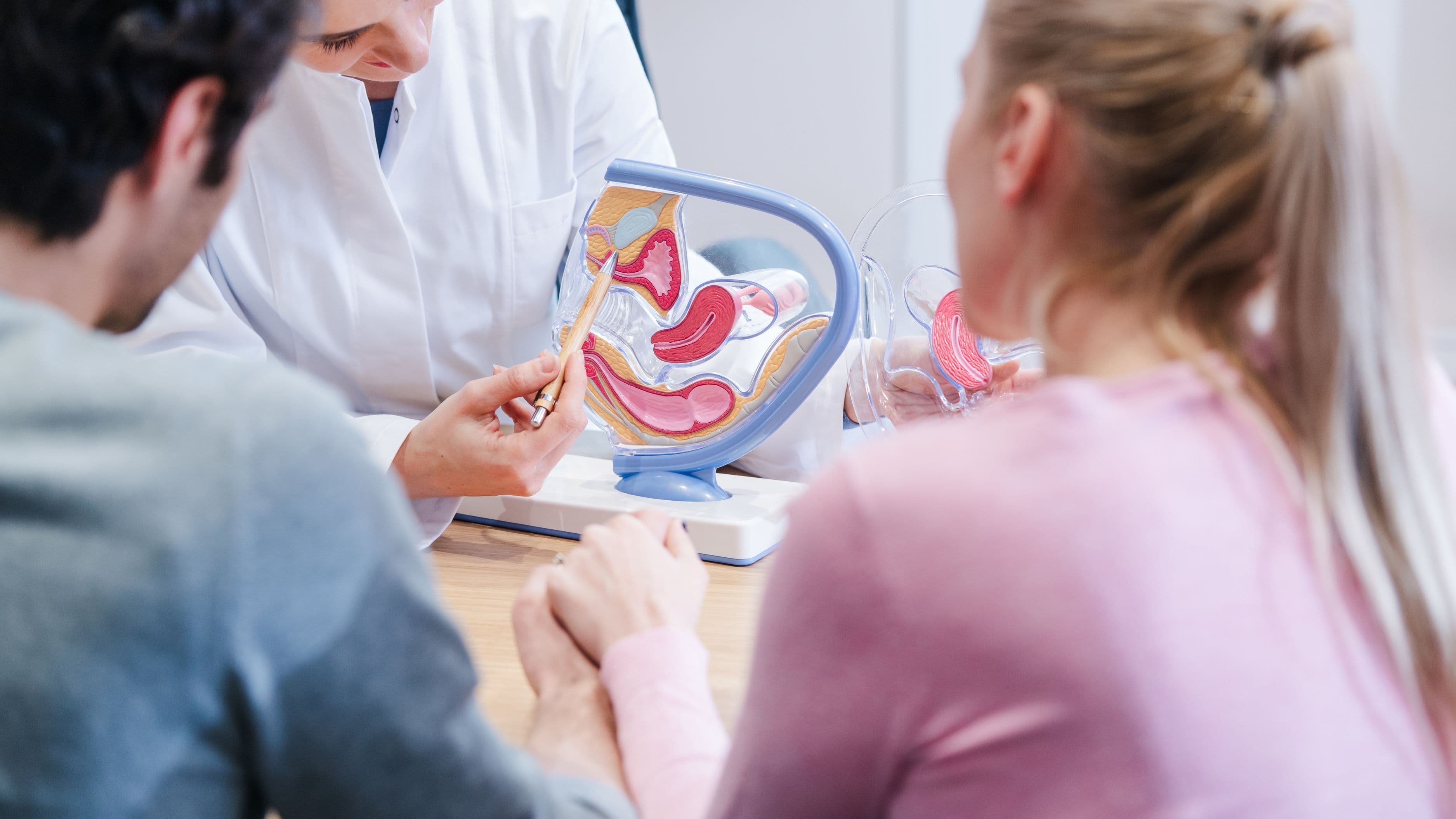
If you're noticing persistent symptoms that feel disruptive to daily life – significant sleep disturbance, unexplained changes in weight or energy, or ongoing anxiety that doesn't resolve with typical self-care approaches – this is worth discussing with a physician rather than trying to self-diagnose based on general cortisol information. A healthcare provider can assess your specific situation, including whether hormonal testing or other evaluation is appropriate, in a way that general wellness information simply can't replace.
This is particularly worth pursuing during major hormonal transitions like perimenopause, since symptoms during this period can sometimes overlap with other conditions, and working with a provider familiar with this life stage specifically can help clarify what's actually happening and what support genuinely fits your situation.
FAQ
Can I test my own cortisol levels at home reliably? Home cortisol tests exist, but interpreting results accurately typically requires professional guidance, since cortisol naturally fluctuates throughout the day and a single measurement without proper context can be misleading. Discussing testing with a healthcare provider is generally more reliable than interpreting an at-home test independently.
Does chronic stress affect women more than men overall? This isn't a simple yes or no – research shows some genuinely different patterns in how stress manifests and is diagnosed between genders, but this doesn't necessarily mean overall stress burden is higher for women, and individual experiences vary considerably regardless of gender.
Is it normal for stress tolerance to change during perimenopause? Yes, this is a commonly reported and physiologically plausible experience, given the hormonal shifts occurring during this transition, though it's still worth discussing significant changes with a healthcare provider to rule out other contributing factors.
Can lifestyle changes alone meaningfully regulate cortisol? Consistent sleep, regular gentle movement, and genuine rest practices can meaningfully support healthier cortisol patterns for many people, though significant or persistent symptoms may benefit from additional professional support beyond lifestyle adjustments alone.
📚 Sources
National Institute of Mental Health – Stress and Its Effects on the Body
National Institutes of Health – Sex Differences in Stress and Anxiety Research
Endocrine Society – Cortisol and the Hypothalamic-Pituitary-Adrenal Axis