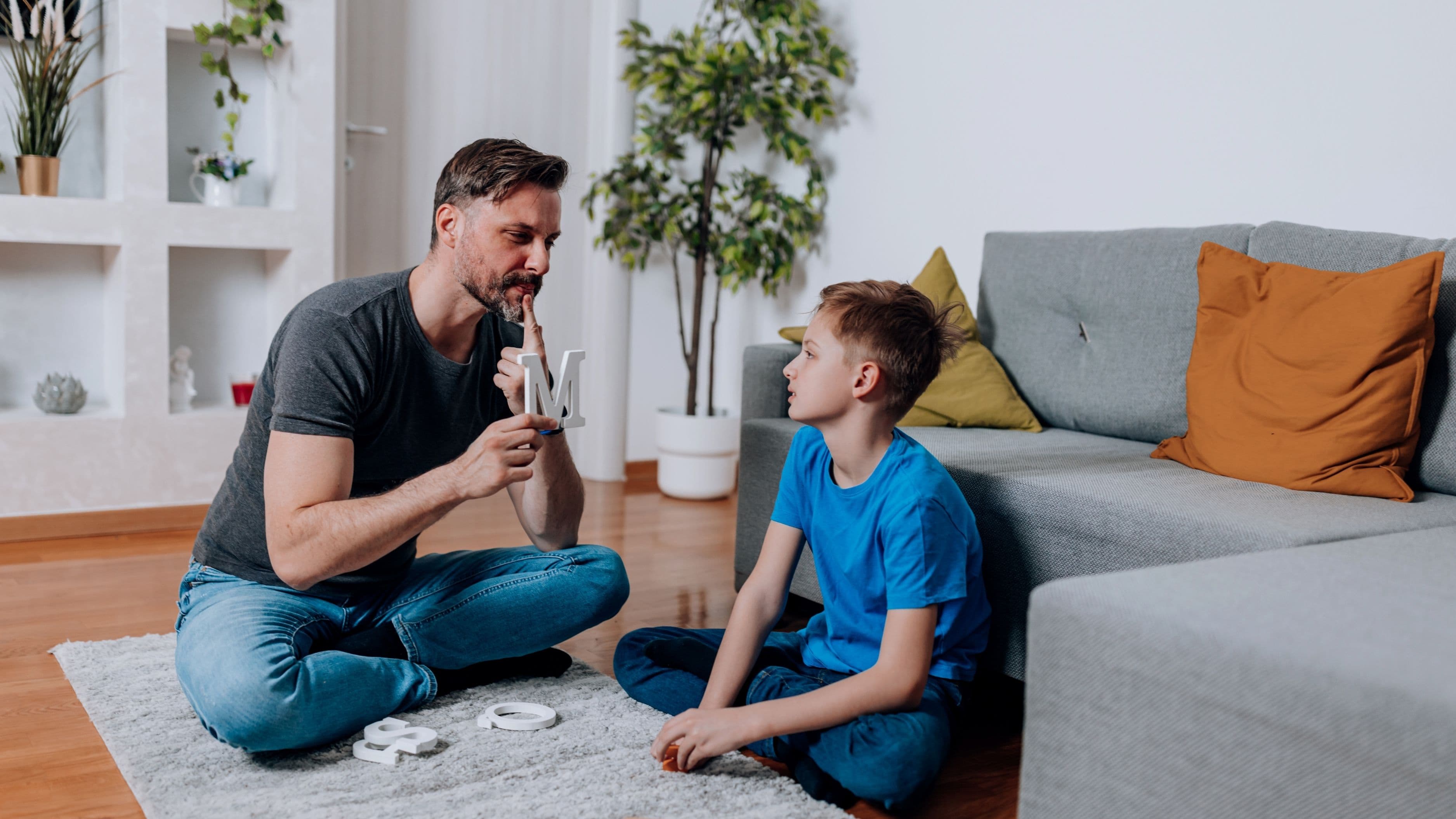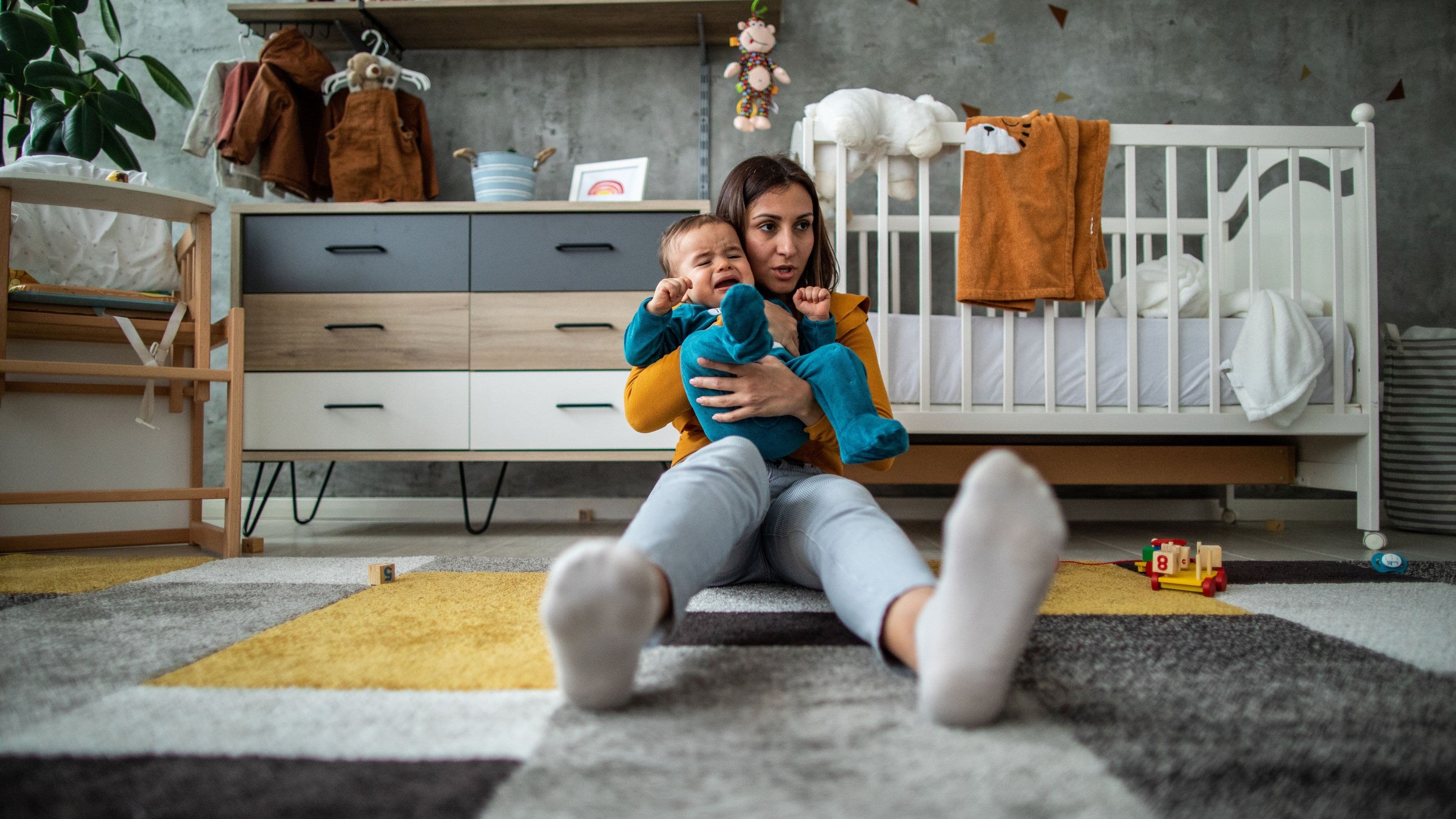
Daniel drove home that afternoon thinking about that image. The space between them. He didn't want to fill it with warfare. He didn't know yet what he wanted to fill it with, but he knew it mattered — perhaps more than anything else that had happened in the previous year. He started reading. He started talking to a therapist. And slowly, painstakingly, he and Renata began building something neither of them had a name for yet.
What they were building, it turned out, had a name: conscious co-parenting.
So, What Exactly Is Conscious Co-Parenting?
Conscious co-parenting is the deliberate, values-driven practice of raising children collaboratively after a separation or divorce — with an emphasis on emotional awareness, clear communication, and prioritizing the child's wellbeing above the residue of the adult relationship. It is not about pretending the marriage didn't end painfully. It is not about forced togetherness or performing happiness for the sake of optics. It is about making a clear, ongoing choice: that the end of a romantic partnership does not have to mean the end of a functional, even loving, family unit.
The "conscious" part is doing real work in that phrase. It distinguishes this approach from co-parenting that happens by default — chaotic, reactive, driven by old wounds and unresolved resentments. Conscious co-parenting asks both parents to show up with intention, even on the days when intention is hard to find. It borrows heavily from the language of mindfulness: presence, non-reactivity, compassion, and a willingness to keep returning to what matters most, even after you've lost your footing.
1. The Children Are Watching Everything
Lily running toward the space between her parents wasn't just a sweet moment — it was a window into how children experience the emotional landscape of their family after divorce. Kids are extraordinarily attuned to the tension between their parents. They feel it in the silence during a handoff, in the clipped tone of a text read aloud, in the way one parent's face changes when the other's name comes up. They may not have words for what they're sensing, but they are absorbing it fully — and it shapes them.
Research published in the Journal of Child Psychology and Psychiatry found that it is not the divorce itself that most significantly impacts children's long-term emotional health — it is the level of ongoing conflict between parents that follows. Children raised in high-conflict post-divorce environments show elevated rates of anxiety, depression, and difficulty forming secure attachments in adulthood. Conversely, children whose parents maintain a cooperative, low-conflict co-parenting relationship fare remarkably well — in some studies, comparably to children in intact families. The research is unambiguous: how parents treat each other after the split matters more than the split itself. That knowledge, sobering as it is, can also be clarifying. It hands parents genuine power over the outcome.
2. Grief Doesn't Make You a Bad Co-Parent — Ignoring It Does
One of the most compassionate reframes in conscious co-parenting is this: you are allowed to grieve. Divorce is a loss — of a shared life, a shared vision, a particular version of your family's future. Bypassing that grief in the name of "being strong" or "keeping it together for the kids" doesn't make it disappear. It makes it leak — into communications with your ex, into your parenting, into the quiet hours after the kids are asleep.
Conscious co-parenting doesn't ask you to be emotionally healed before you begin. It asks you to be emotionally honest. That means finding the right containers for your grief — therapy, journaling, a trusted friend, a support group for divorced parents — so that it doesn't spill into the space your children occupy. There's a meaningful distinction between feeling anger toward your ex and expressing that anger through your parenting. One is human. The other is harmful. Processing your grief privately and consistently is not a luxury in conscious co-parenting; it is the foundation the whole practice is built on. Feel the difference between parenting from a wounded place and parenting from a grounded one — that difference is what your children will carry forward.
3. Your Ex Is Your Co-CEO, Not Your Roommate
A reframe that many conscious co-parenting coaches and therapists offer: stop thinking of your ex as a former intimate partner and start thinking of them as a business partner in the most important enterprise of your life. You are co-CEOs of your children's childhood. You have different strengths, different styles, different visions — and you have to find a way to make the company function well anyway, because the stakes are too high for a hostile takeover.
This isn't a cold metaphor — it's a liberating one. It removes the expectation of emotional intimacy or mutual understanding that a romantic relationship carries, and replaces it with something more workable: professional respect, clear communication, and a shared commitment to outcomes. You don't have to like your co-CEO. You don't have to agree on politics, lifestyle, or how many hours of screen time is appropriate. You do have to show up to the meetings, honor the agreements, and keep the mission — your children's flourishing — front and center. Many families find that adopting this framework dramatically reduces the emotional charge of routine co-parenting interactions.
When a text about pickup times is a business communication rather than an emotional minefield, it's easier to write and easier to receive.
4. Boundaries Are an Act of Love, Not Hostility
One of the most counterintuitive truths in conscious co-parenting: clear, firm boundaries between you and your ex are not a sign of bitterness. They are a sign of maturity. Healthy boundaries define what each parent is responsible for, what communication looks like, and what remains off-limits in front of the children. They reduce ambiguity, which reduces conflict, which protects the children.
Boundaries in conscious co-parenting might look like: agreeing to communicate only through a co-parenting app like OurFamilyWizard or TalkingParents, which logs messages and removes the emotional charge of direct texting. They might look like a firm agreement that neither parent speaks negatively about the other in the children's presence — not in passing, not in the car, not "just venting." They might look like a structured parenting plan that removes the need for constant renegotiation. None of these boundaries are punishments. They are the architecture that makes the space between two people who have hurt each other safe enough for children to run into freely. According to the American Academy of Pediatrics, consistent, predictable structure in post-divorce households is one of the strongest protective factors for children's emotional adjustment — and boundaries are how that structure is built and maintained.
5. Your Children Are Not Messengers, Therapists, or Weapons
This point is uncomfortable to read because most divorced parents have crossed one of these lines, usually without fully realizing it. Asking a child to relay a message to the other parent — even something seemingly benign, like "tell your dad the insurance payment is late" — places the child in the middle of adult logistics and signals, however subtly, that they are responsible for managing the gap between their parents.
Using a child as an emotional support — leaning on them for comfort about the divorce, sharing your pain in ways that ask them to carry it — reverses the parent-child dynamic in ways that can last decades. And weaponizing a child — using custody, affection, or information about them as leverage in disputes with your ex — is a harm so well-documented in family psychology research that it has its own clinical name: parental alienation.
Conscious co-parenting draws a clear, non-negotiable line here. Children are not conduits, confidants, or bargaining chips. They are people in the middle of one of the hardest experiences of their young lives, and they need both parents to protect them from the adult fallout — not recruit them into it. Every time you resist the urge to use your child as a messenger or a mirror for your pain, you are doing something quietly heroic. It may not feel like much in the moment. But your child will feel it — in the safety they carry, in the ease with which they love both of you without guilt.
6. Consistency Across Two Homes Is a Gift
Children thrive on predictability. After a divorce, their world has already been reorganized in ways they didn't choose — different bedrooms, different rhythms, different versions of "home." Conscious co-parents do the work of aligning, wherever possible, on the routines, rules, and expectations that govern both households. Not identical homes — that's neither realistic nor necessary — but enough shared consistency that children don't feel like they're code-switching between two incompatible realities every few days.
This might mean agreeing on a consistent bedtime for school nights, regardless of which parent's house the child is at. It might mean both parents reinforcing the same behavioral expectations, using similar language around consequences, or coordinating on homework routines. It means attending the same school events, doctor's appointments, and parent-teacher conferences without making those shared spaces into battlegrounds. The effort required to maintain this consistency is real — it asks two people who may still be in pain to keep choosing the child over the conflict. But the reward is a child who feels held, even across two addresses. A child who doesn't have to choose. A child who knows, in their bones, that their family — however it looks now — is still a family.
7. Conscious Co-Parenting Is a Practice, Not a Destination
Daniel and Renata are not perfect co-parents. There are still hard texts, still charged silences at school events, still moments when old wounds surface at inconvenient times. But they've built something real — a working relationship grounded in the shared knowledge that Lily's life will be shaped, in part, by what they choose to do with the space between them. They use a co-parenting app. They each have therapists. They've attended two co-parenting workshops together, which felt awkward and occasionally painful and also, in both cases, shifted something important. They celebrate Lily's birthdays in the same room, and it no longer feels like a performance.
Conscious co-parenting is not a finish line you cross once. It is a practice — like meditation, like intentional living, like any discipline that asks you to keep returning to your values even when emotion pulls you elsewhere. There will be ruptures. There will be repairs. There will be days when you are the grounded, generous co-parent you aspire to be, and days when you are simply a person in pain doing your best. Both are true. Both are allowed. What matters is the direction you keep choosing to face.
What Lives in the Space Between
Lily is nine now. She still runs toward the space between her parents at school pickup — though these days it's less dramatic, more matter-of-fact. She expects both of them to be there. She has learned, without anyone telling her, that she doesn't have to choose. That expectation — that quiet, sturdy confidence — is the whole point. It is what Daniel and Renata are building every time they choose the harder, more conscious path. It is the inheritance they are leaving her that has nothing to do with money or possessions and everything to do with how love shows up, even after it changes form.
Divorce ends a marriage. It doesn't have to end a family. And the parents who are willing to do the difficult, ongoing, humbling work of conscious co-parenting are giving their children something rare and irreplaceable: the experience of being loved by two whole people, in two separate homes, who chose — again and again — to put that love above everything else.
📚 Sources
Amato, P. R. (2001). "Children of Divorce in the 1990s: An Update of the Amato and Keith (1991) Meta-Analysis." Journal of Family Psychology, 15(3), 355–370.
Cummings, E. M., & Davies, P. T. (2010). Marital Conflict and Children: An Emotional Security Perspective. Guilford Press.
Journal of Child Psychology and Psychiatry. (2019). "Interparental Conflict and Children's Long-Term Adjustment." Wiley Online Library.
American Academy of Pediatrics. (2022). "Helping Children and Families Deal With Divorce and Separation." HealthyChildren.org.
Warshak, R. A. (2010). Divorce Poison: How to Protect Your Family from Bad-mouthing and Brainwashing. HarperCollins.