Here's the thing: kids are not tiny adults who will sit you down, pour a cup of tea, and say, "Parent, I'd like to discuss my social difficulties at school." They signal distress in indirect, sometimes baffling ways. And in a world that's finally waking up to the importance of emotional wellness and authentic human connection — the very values that Harmony Hub is built around — learning to read those signals is one of the most powerful things you can do as a conscious, present parent.
So let's unpack it. No clinical jargon, no doom-scrolling anxiety — just a grounded, honest look at the signs that your child might be struggling socially, and what you can do to gently guide them back to belonging.
1. The Lunch Table Mystery
One of the earliest and most telling signs is a sudden — or gradual — reluctance to talk about who they sat with at lunch, who they played with at recess, or what they did during free time. When the answers start sounding like a solo documentary ("I just walked around" or "I read by myself"), that's worth a second look.
Kids who are thriving socially usually have something to say — even if it's a complaint about a friend. The silence around social details isn't always shyness. Sometimes it's a form of self-protection, a way of guarding themselves from the sting of saying out loud that no one saved them a seat. Pay attention to what your child doesn't say. That quiet gap in the story might be where the struggle lives.
2. The Sunday Night Dread Machine
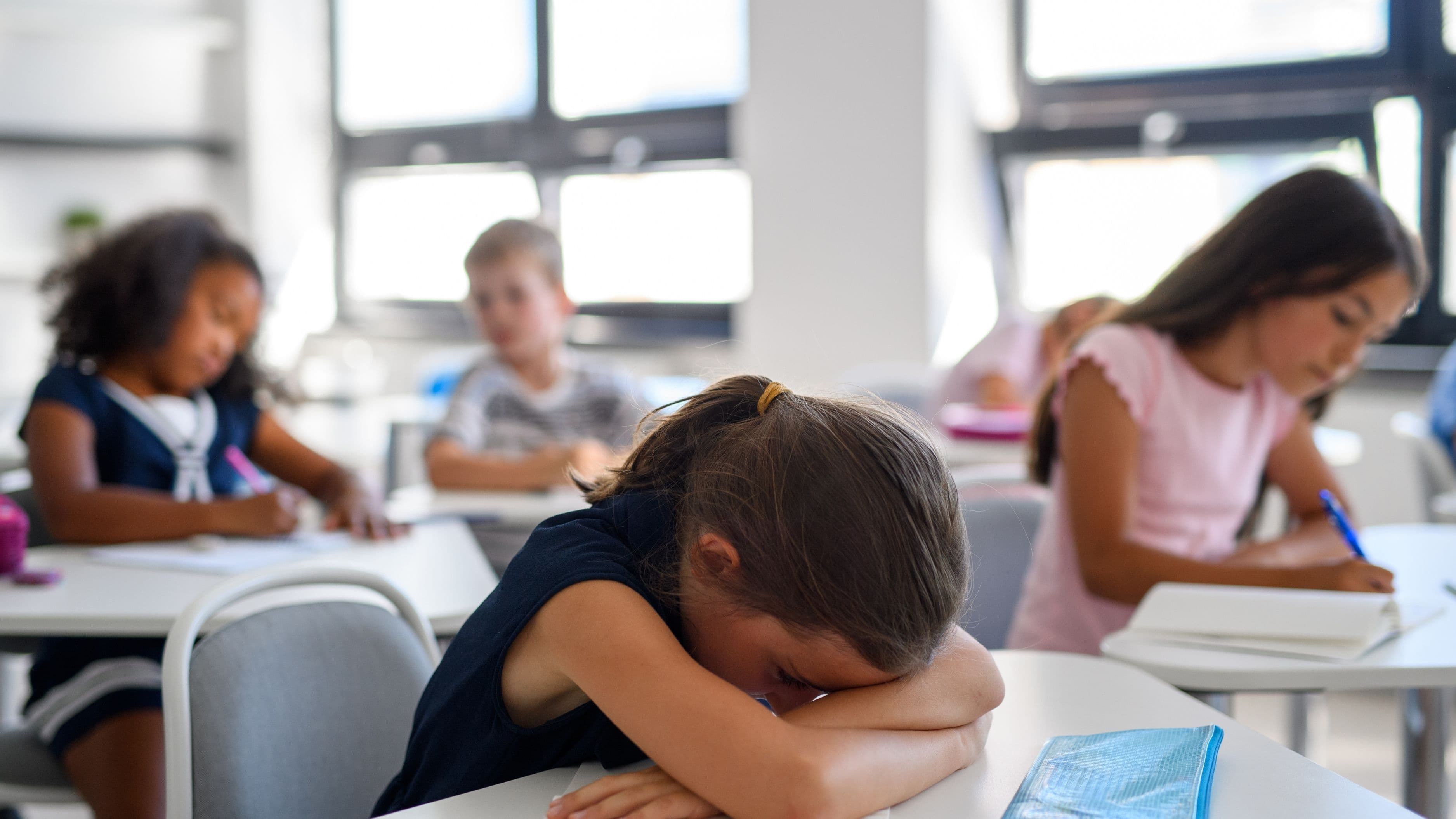
Sunday evenings are meant for winding down, maybe a cozy dinner, maybe some screen time. But if your child starts showing anxiety, stomachaches, irritability, or tearfulness specifically on Sunday nights or Monday mornings, the school week itself may feel like a social obstacle course they're dreading to run. This isn't just "not liking school" — it's often the anticipation of navigating peer dynamics that feel confusing, painful, or lonely.
Research from the American Psychological Association has noted that social anxiety in children frequently manifests as physical symptoms rather than verbal complaints. Kids don't always have the vocabulary to say "I feel excluded and I don't know why." Instead, their nervous system speaks for them — through tummy aches, headaches, or a sudden, dramatic need to stay home. If this pattern shows up consistently around school start times, treat it as a signal rather than a manipulation.
3. The Screen Retreat
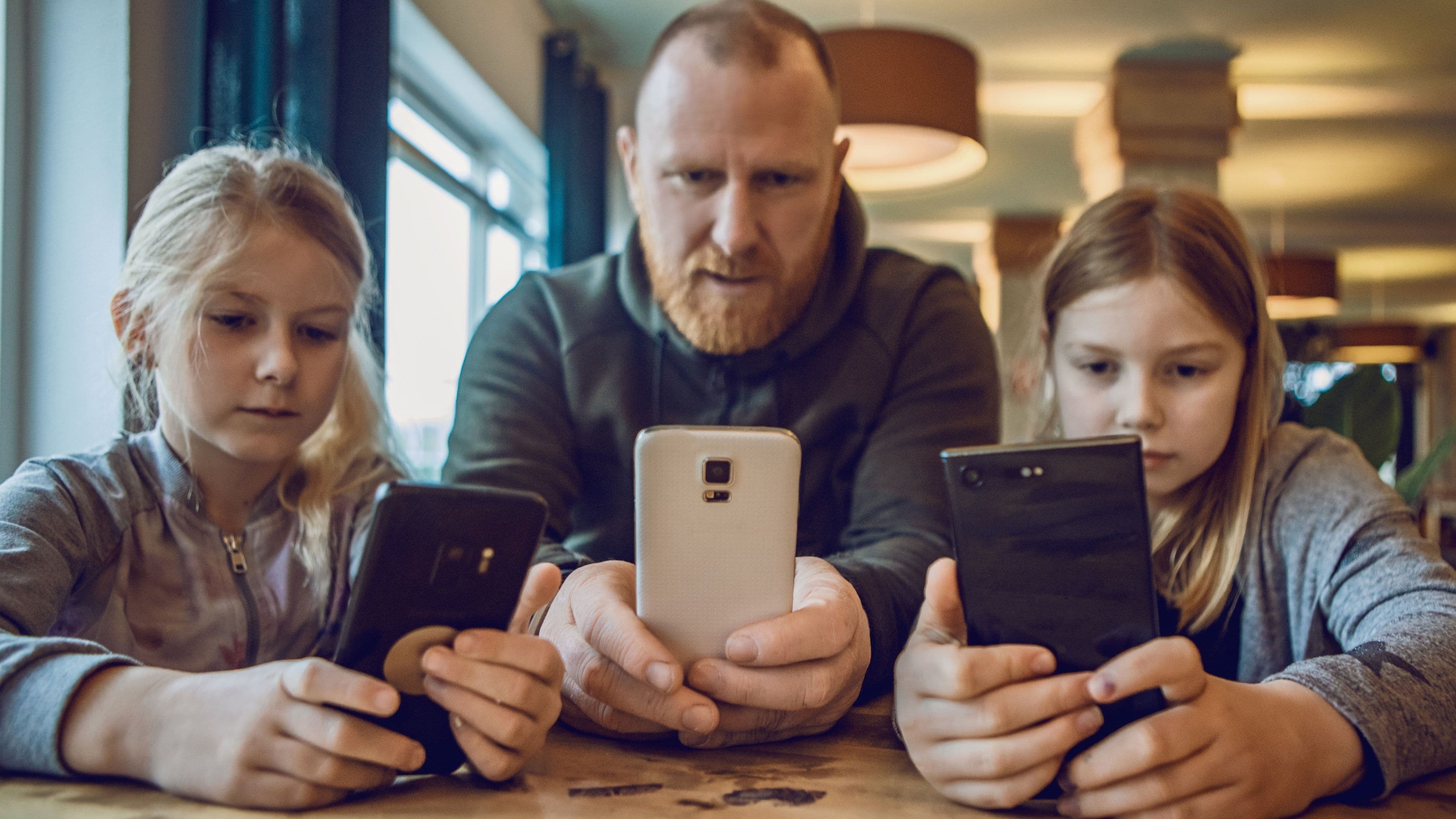
There's a difference between a kid who enjoys gaming or YouTube as a hobby and a kid who has retreated into screens as a substitute for human connection. If you notice your child choosing digital worlds over any and all real-world social opportunities — turning down birthday parties, avoiding playdates, refusing to join any group activities — the screen isn't the problem. It's the symptom. The digital world offers something a struggling child desperately needs: a space where rejection feels controllable, where you can log off when things get hard, and where you can always try again without social consequence.
Gently pulling back the curtain on this behavior doesn't mean confiscating the iPad. It means staying curious. Ask what they love about the games they play or the videos they watch. You might be surprised — often, these choices reveal something about where they feel most competent and safe, which is beautiful information about who your child is at their core.
4. The Friendship Freeze
Think back to six months ago — did your child mention friends by name? Did they talk about what so-and-so said at recess, or beg to go over to someone's house? If that social chatter has gone noticeably quiet, or if the same one or two names have completely disappeared from their vocabulary without explanation, pay attention. Friendships in childhood shift constantly, but a total freeze — where no new connections are forming and old ones seem to have dissolved — can indicate that something is off in the social ecosystem.
Sometimes kids don't even fully realize they've lost a friendship. They just feel a background hum of loneliness that they can't quite name. According to a 2018 study published in Child Development, children as young as seven can experience chronic loneliness that, if left unaddressed, affects academic motivation and emotional regulation well into adolescence. That's not a number to scare you — it's a reminder that social belonging isn't a "nice to have." It's foundational.
5. The Mood Shift at Pick-Up
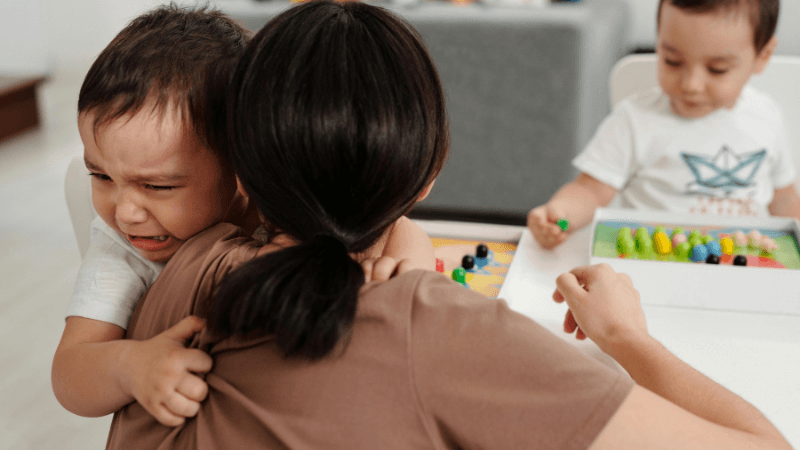
You know your child. You know the difference between tired and emotionally depleted. If your kid consistently comes out of school looking like they've just survived something — hunched shoulders, flat eyes, quick to snap or cry once they're in the safety of the car — they may be spending their day in a state of social vigilance. Being left out, misunderstood, or on the fringes of a friend group is genuinely exhausting. Children who are socially struggling often hold it together during school hours and then decompress (read: fall apart) the moment they feel safe.
This "afterschool meltdown" phenomenon is well-documented, and often the child themselves isn't sure why they're so upset. The car ride home, or that quiet snack-time together, can be a surprisingly golden window for connection. Don't pepper them with questions — just be present. Let the calm wash over the car. Sometimes the most meaningful conversations happen in the silence between moments.
6. The Invisible Child Syndrome
Some socially struggling kids don't cause drama — they disappear into it. They become invisible: never in trouble, never the center of anything, just... there. Teachers may describe them as "quiet" or "independent." On paper, everything looks fine. But invisibility at school can be its own form of social struggle — the child who has learned not to reach out because reaching out hasn't worked, or who has quietly concluded that they just don't belong in the social fabric of their class.
This particular sign is easy to miss precisely because it doesn't ask for attention. But if your child never mentions classmates, never gets invited to things, and seems to exist in a kind of social bubble at school, that's worth a loving conversation. Ask open-ended questions about who they think is funny in their class, who they'd want to be friends with if they could. Sometimes just naming the desire for connection is the first step toward making it real.
7. The Copycat Chameleon
On the flip side of invisibility, some kids struggling socially become intense social chameleons — rapidly adopting the interests, language, clothing preferences, or opinions of whoever they're currently trying to impress. While it's completely normal for kids (and honestly, adults) to adapt to social environments, there's a version of this that veers into performing a self rather than expressing one.
If your child seems to have no stable sense of what they like, what they believe, or who they are outside of mirroring someone else, they may be working overtime to secure social belonging. This can lead to exhaustion, identity confusion, and a gnawing sense that they're always one wrong move away from losing the friendships they've worked so hard to maintain. Encouraging your child to reconnect with their own preferences — even small ones, like picking the movie for family night — helps rebuild the internal compass that authentic relationships are built on.
8. The Bully Boomerang
Here's one that often catches parents off guard: sometimes kids who are struggling socially become the aggressor. It's uncomfortable to consider, but social pain — particularly exclusion and humiliation — can convert into controlling or bullying behavior as a coping mechanism. If your child has started coming home with stories about excluding someone, saying mean things, or dominating social situations in unkind ways, it may be worth asking what's happening underneath that behavior.
This isn't about excusing unkindness — it's about understanding it well enough to actually address it. A child who feels powerless in their own social world sometimes grabs power in the only way that feels available. The conversation here isn't a lecture — it's a gentle excavation: "It sounds like something hard happened. Can we talk about it?" That kind of attuned parenting doesn't just address the behavior; it tends to the root.
9. The Narrative Negativity Spiral
Listen carefully to how your child talks about other kids. Is it consistently negative — "Everyone's annoying," "No one's fun," "They're all fake"? While some venting is healthy and totally normal (honestly, same), a steady drumbeat of contempt for peers — where no one is ever good enough, where every social situation is described as disappointing or pointless — can be a defense mechanism. It's much easier to say "I don't want friends anyway" than "I want friends and I don't know how to make them."
Negativity like this can also signal depression, which in children often looks more like irritability and withdrawal than sadness. If the narrative feels entrenched — if it's been weeks or months of the same bitter refrain — it may be worth connecting with a school counselor or child therapist to get a fuller picture. There's no shame in asking for help. In fact, modeling that kind of self-aware, proactive approach to emotional health is one of the greatest gifts you can pass down.
10. The "Nobody Likes Me" Drop
And then there are the kids who just come right out and say it — quietly, heartbreakingly, maybe while you're folding laundry or driving to swim practice. "I don't think anyone likes me." These moments land like a punch to the chest for most parents, and the instinct is often to rush in with reassurance: "Of course they do! You're wonderful!"
But the more powerful move is to pause, put down the laundry, and really listen. Ask what makes them feel that way. Ask if something specific happened. Validate the feeling before you fix it — because the child who feels truly heard is far more likely to stay open to support than the one who gets immediately talked out of their experience. These small moments of presence are where real healing begins. They're also where the relationship between you and your child quietly deepens into something that can hold the weight of harder conversations down the road.
So, What Now?
If you've recognized your child in any of these signs, take a breath. This isn't a report card. You haven't failed, and neither have they. Social development is messy, nonlinear, and deeply human — and the fact that you're paying close enough attention to even notice these signs puts you miles ahead.
Start small. Create low-pressure spaces for connection — a walk, a shared snack, a TV show you watch together. Talk about your social experiences (age-appropriately) so they know struggle isn't shameful. Loop in teachers and school counselors if patterns persist. And consider whether your child might benefit from social skills groups, therapy, or simply some structured activities where shared interests can be a bridge to friendship.
Your child doesn't need a perfect social life — they need to feel like they matter to someone. And the good news? They already do. To you. Let that be the foundation everything else is built on.
📚 Sources
American Psychological Association. (2023). "Anxiety in children: How it shows up physically." APA.org.
Ladd, G. W., Kochenderfer, B. J., & Coleman, C. C. (2018). "Loneliness and social exclusion in middle childhood." Child Development, 89(4), 1243–1258.
Centers for Disease Control and Prevention. (2022). "Children's Mental Health: Social-Emotional Development." CDC.gov.
Rubin, K. H., Bukowski, W. M., & Bowker, J. C. (2015). Children in peer groups. Handbook of Child Psychology and Developmental Science.