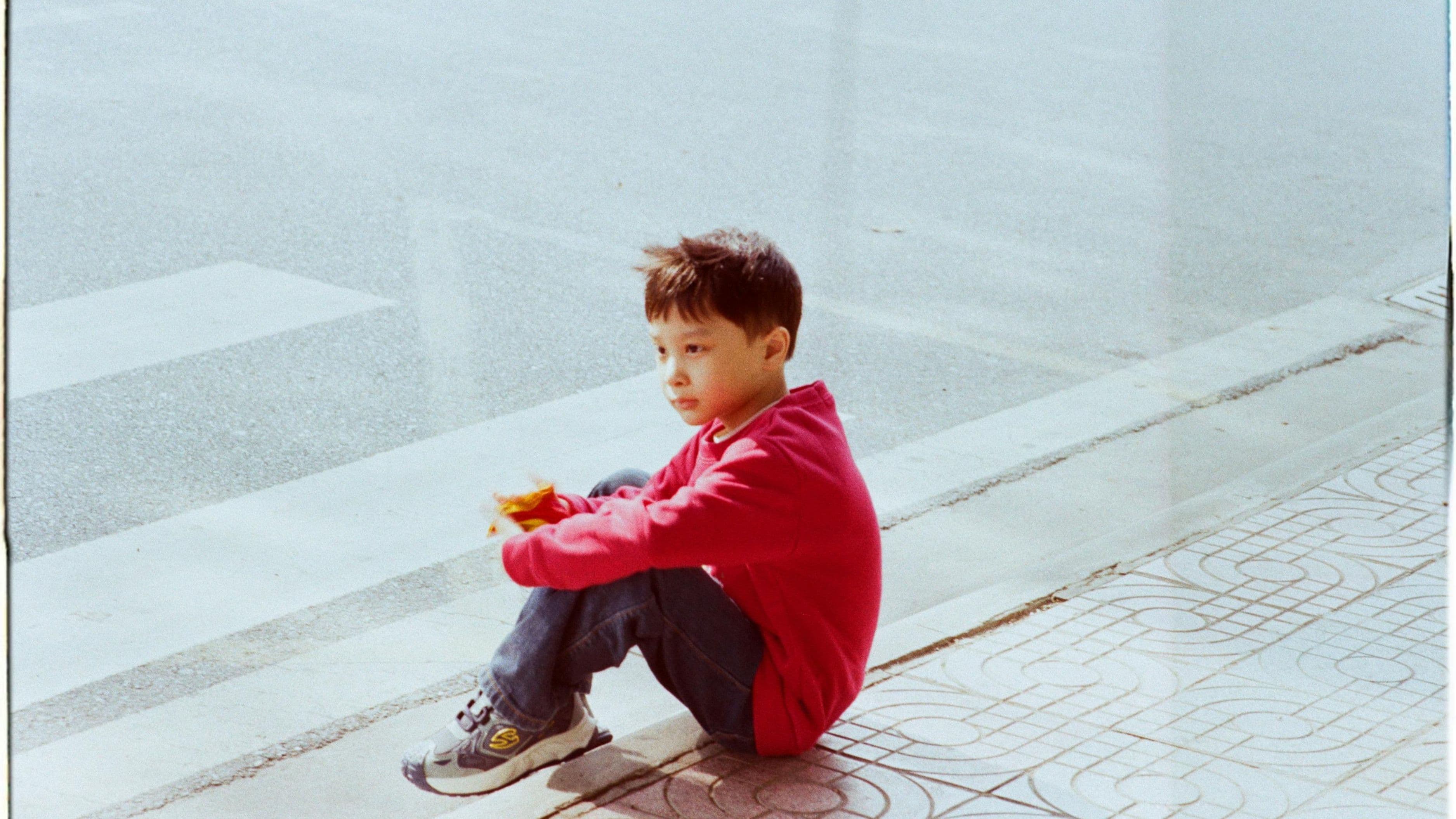
Start By Naming the Feeling, Not Fixing the Situation
When a child comes to you visibly upset, the instinct is often to immediately problem-solve – suggest what they should do next, point out the silver lining, or explain why it happened. Before any of that, simply naming what they're feeling out loud ("that sounds really disappointing" or "I can see how much you wanted that") does more to help them process the moment than jumping straight to solutions.
This matters because kids build emotional regulation skills by having their feelings acknowledged, not by having them minimized or rushed past. Once they feel heard, they're actually more available to think through next steps – trying to problem-solve before that happens usually just makes a child feel unheard on top of already feeling disappointed.
Resist the Urge to Immediately Reframe It as Positive
It's tempting to jump to "well, at least..." or "everything happens for a reason" right away, but for a child in the middle of real disappointment, this can feel like their feelings are being brushed aside. There's a place for perspective and reframing, but it lands much better after the initial feeling has been acknowledged, not as the first response.
Give the disappointment room to actually exist for a bit before moving toward the more hopeful, forward-looking conversation. Kids learn that difficult feelings are survivable partly by experiencing that you can sit with them together without rushing to make the feeling go away.
Ask Questions Instead of Providing Answers
Once the initial feeling has settled a little, open-ended questions help a child process the experience more than direct advice does. Asking "what do you think you might do differently next time?" or "what part of this feels hardest right now?" invites them to think it through themselves, which builds the actual skill of processing disappointment rather than just receiving a solution from you.
This doesn't mean withholding guidance entirely, especially for younger children who may need more direct support. It means leading with curiosity about their perspective before offering your own.
Share Your Own Experiences With Disappointment, Briefly
Kids often assume adults have everything figured out and rarely face real setbacks. Sharing a brief, age-appropriate example of a time you faced disappointment – and how you moved through it – normalizes the experience without turning the moment into a lecture about your own life. Keep it short and let it circle back to them quickly rather than making it about you.
Avoid Rescuing Them From Every Hard Consequence
When it's safe and appropriate, letting a child experience the natural outcome of a disappointing situation – rather than intervening to soften every consequence – builds real resilience over time. This doesn't mean withholding support or comfort. It means being thoughtful about which situations actually need your intervention versus which ones your child can move through with your support rather than your rescue.
Help Them Build a Realistic Plan Forward
Once the initial emotional processing has happened, help your child think through what, if anything, they want to do next – try again, adjust their approach, or simply accept the outcome and move on. Not every disappointment needs a plan or a comeback; sometimes the skill being built is simply tolerating an outcome that didn't go their way and moving forward anyway.
Realistic Expectations
Building resilience isn't a one-time conversation – it's a skill that develops slowly, through repeated experiences of facing something hard and getting through it with support rather than avoidance. Some disappointments will be processed quickly; others, especially bigger ones, may take longer and resurface in conversation over days or weeks. That's a normal part of the process, not a sign that something is going wrong.
What to Avoid
Avoid comparing your child's disappointment to a "bigger" hardship as a way to minimize it ("some kids don't even have a team to try out for"). This tends to shut down open processing rather than support it, even when the intention is to build perspective.
Avoid taking on the disappointment as your own and becoming visibly more upset than your child. Kids often take emotional cues from parents, and a calm, steady presence helps them regulate, while a parent's own distress can actually amplify a child's.
Don't rush to arrange a fix behind the scenes – calling a coach, a teacher, or a friend's parent to intervene – before your child has had a chance to process the situation and consider their own options. There's a place for advocacy, but it works best after giving your child room to work through the experience first.
FAQ
How long should I expect a child to need to process disappointment? It varies widely by age, temperament, and the size of the disappointment – anywhere from a conversation or two to several days of it resurfacing. Both are normal.
Is it okay to let my child feel sad without trying to cheer them up? Yes. Giving space for a genuine feeling, rather than immediately trying to fix the mood, is part of what helps kids learn that hard feelings are survivable.
When should I step in rather than let them handle it themselves? Use judgment based on the situation's stakes and your child's age – safety issues or situations genuinely beyond a child's control call for more direct involvement than everyday setbacks like a lost game or a disappointing grade.
Resilience isn't built by protecting a child from every disappointment – it's built by walking alongside them through it, with steady support instead of rescue, until they trust their own ability to get through hard moments.
📚 Sources
American Psychological Association: Building Resilience in Children – https://www.apa.org/topics/resilience/guide-parents-teachers
Child Mind Institute: Helping Children Cope With Disappointment – https://childmind.org/
Harvard Center on the Developing Child: Resilience – https://developingchild.harvard.edu/science/key-concepts/resilience/