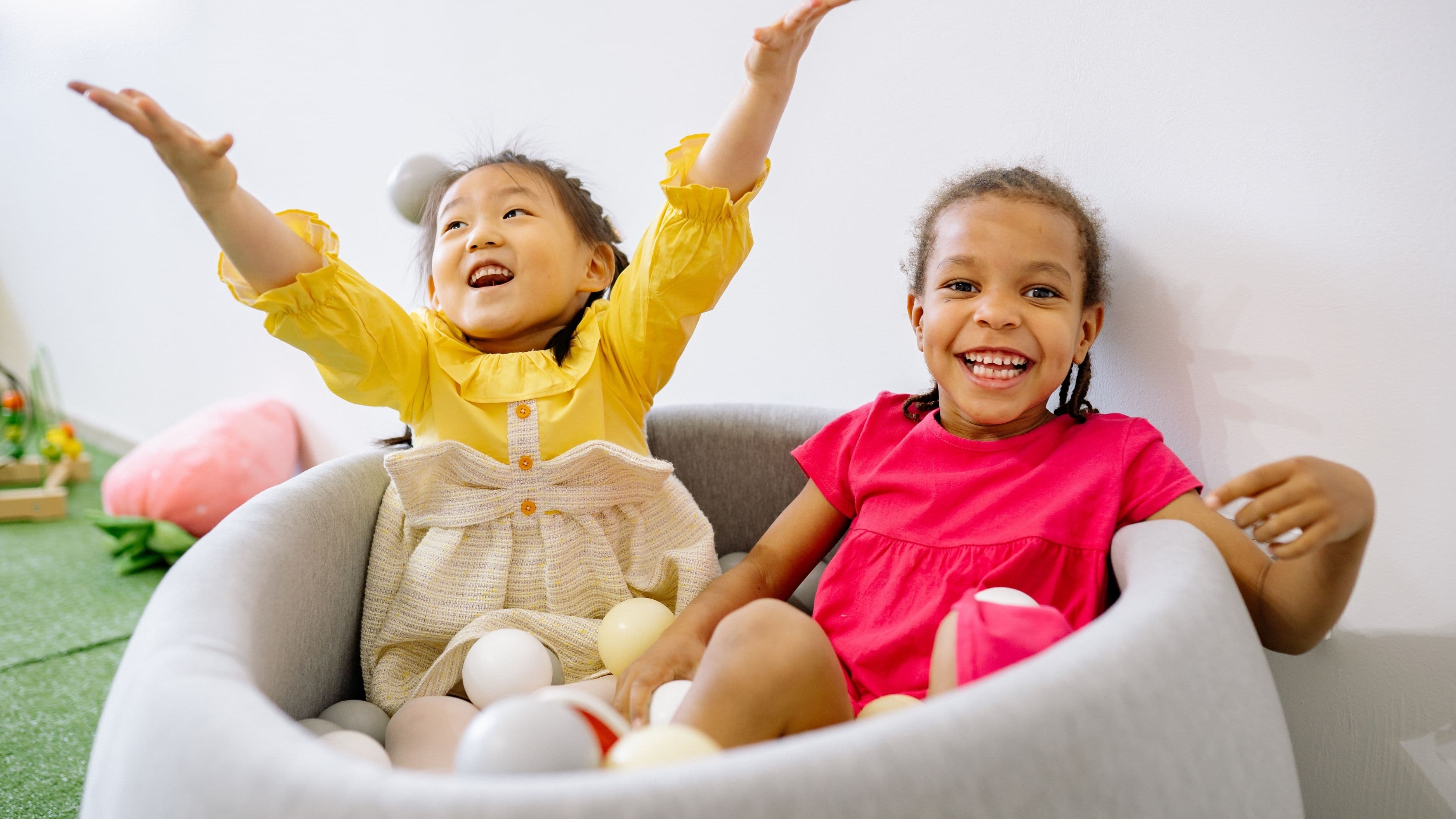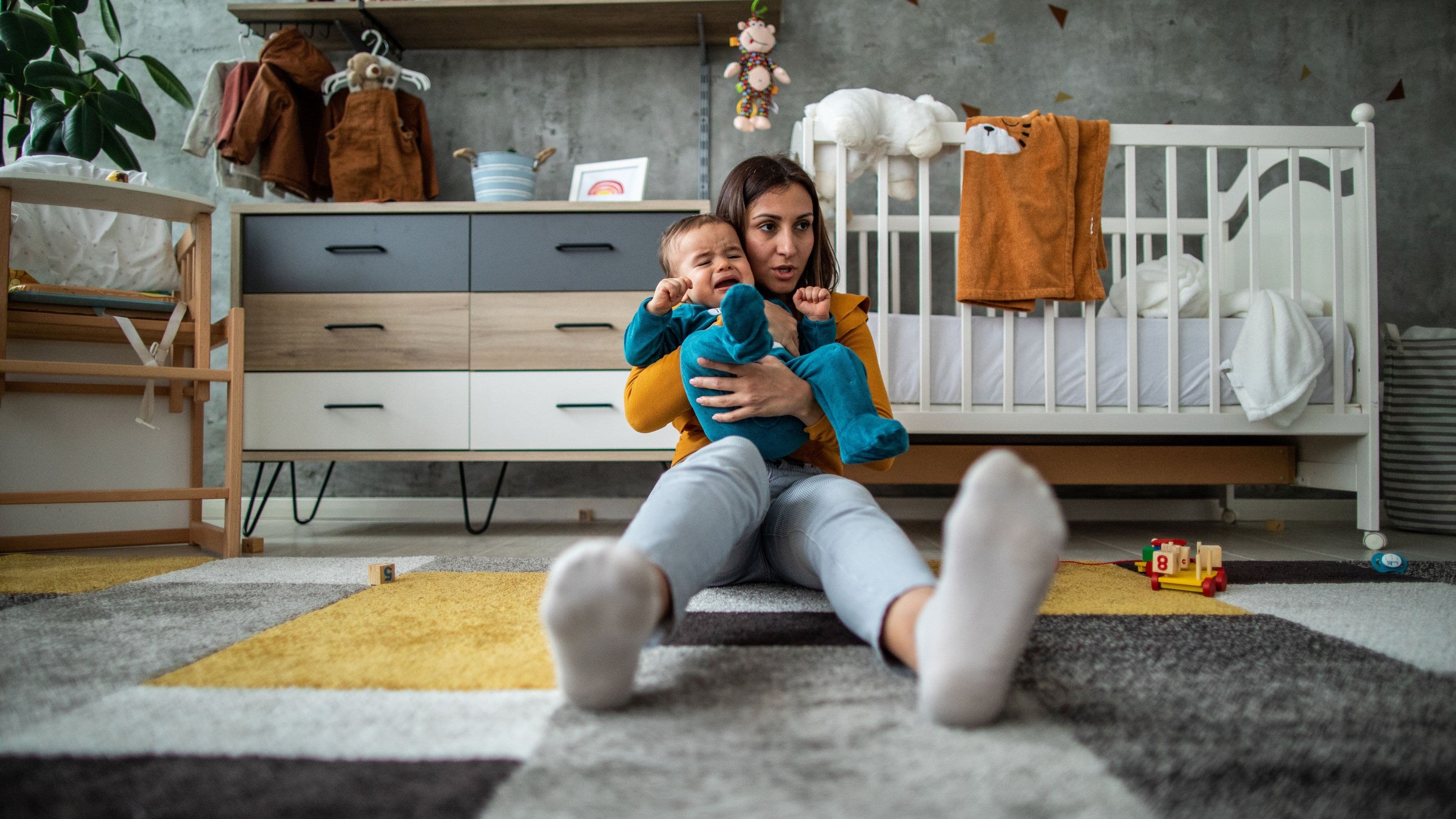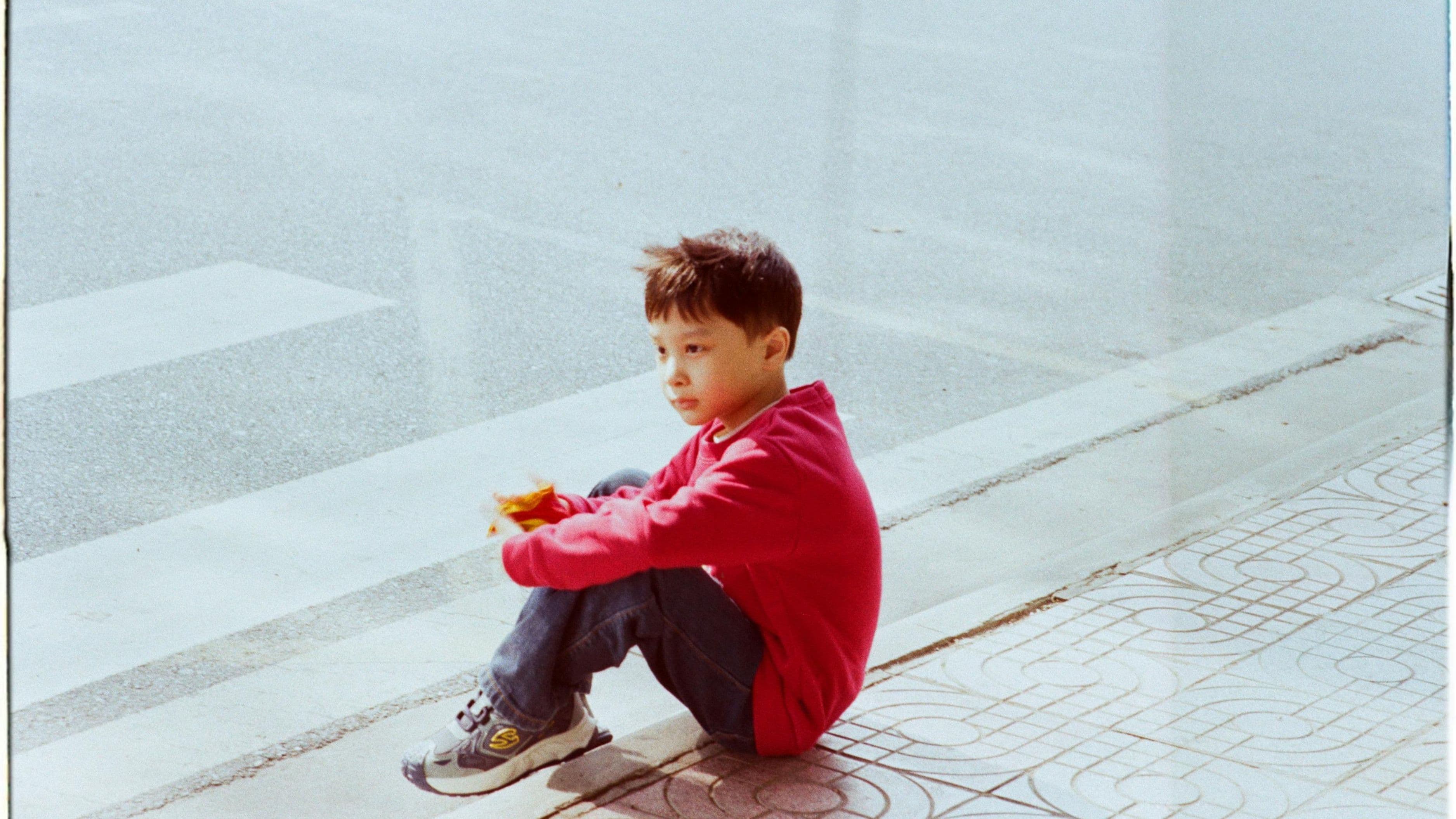
Children grieve differently than adults. They move in and out of sadness more fluidly, they may ask the same questions many times over, and they often express their grief through behavior – withdrawal, clinginess, irritability, or regression – rather than through words. Understanding that difference is the beginning of being genuinely helpful.
Understanding How Children Experience Grief
Before anything else, it helps to know that there is no single "right" way for a child to grieve, and no fixed timeline they should follow. A child who seems fine for weeks and then falls apart at a small disappointment isn't being dramatic – they may be processing at the pace their nervous system can manage. Grief in children tends to come in waves rather than stages, and those waves can be unpredictable.
A child's understanding of death and loss also changes significantly with age. Children under five often don't fully grasp that death is permanent and may ask repeatedly when the person is coming back. Children between five and nine are beginning to understand that death is real and irreversible, but may have magical thinking around it – worrying they caused it somehow, or believing that being extra good might bring the person back. Older children and adolescents are capable of more adult-like understanding, but may be more private about their grief and more likely to express it through anger or social withdrawal than through tears.
Knowing roughly where your child is developmentally helps you meet them where they actually are, rather than expecting a response that doesn't fit their age and experience.
Create Space for Their Feelings – All of Them
The most important thing you can offer a grieving child is permission to feel whatever they feel, without correction or redirection. Grief is not linear and it's not tidy. A child may feel sadness, anger, confusion, relief, guilt, and laughter within the same hour – and all of it is valid.
When a child says something like "I'm so angry at Grandpa for dying," it can be tempting to correct that feeling – to explain that Grandpa didn't choose to leave, or to redirect toward a more "acceptable" emotion like sadness. But the anger is real, and it needs a place to land. Responding with something like "It makes sense you'd feel angry – you miss him and it isn't fair" validates the feeling without dismissing it. That kind of response tells a child that their inner world is not a problem to be fixed.
It also matters that you don't communicate, even subtly, that their grief is too much for you to handle. Children are acutely attuned to the emotional state of the adults around them, and if they sense that their sadness is burdening you, many will learn to hide it. That's a lonely way to grieve.
Use Honest, Age-Appropriate Language
One of the most common well-intentioned mistakes adults make when talking to children about death is using softened language – "passed away," "went to sleep," "we lost them" – to cushion the blow. For young children especially, these phrases can be genuinely confusing and even frightening. A child told that someone "went to sleep and didn't wake up" may develop anxiety around bedtime. A child told you "lost" someone may feel responsible for finding them.
Using clear, gentle language – "Grandma died, and that means her body stopped working and she won't be coming back" – is kinder in the long run, even though it feels harder to say. You can deliver honesty with warmth. The goal is not to be clinical but to be truthful in a way the child can actually understand and hold.
Expect the same questions to come back again and again. A child asking "but where did she go?" for the fifth time isn't being difficult – they're integrating something enormous into their understanding of the world. Answering patiently each time, and being honest about what you don't know ("I'm not sure exactly, but I believe she's somewhere peaceful"), is more helpful than giving a final-sounding answer designed to stop the questions.
Maintain Routine as an Anchor
In the disorientation of grief, routine is a quiet form of comfort. Mealtimes, bedtimes, school, after-school activities – these rhythms tell a child that the world is still structured and predictable, even when something important has changed. Where it's possible to maintain normal routines, doing so offers a kind of steadiness that words can't always provide.
This doesn't mean forcing a child to be "normal" before they're ready, or sending them to school the day after a significant loss without checking in about how they feel. It means being thoughtful about which routines provide comfort and gently reinstating them as the family finds its footing. For many children, returning to school is actually a relief – it's familiar, it offers distraction, and it gives them time with friends who aren't grieving in the same way they are at home.
Where routine needs to shift – if the loss means significant changes to family life – be transparent with your child about what will change and what will stay the same. Uncertainty about the future is its own source of anxiety for children, and naming it honestly is usually better than leaving it unaddressed.
Make Room for Remembering
Grief is not something to move through and leave behind. The people and things we lose remain part of us, and giving your child active ways to remember and honor that relationship is one of the most healing things you can offer.
This might look like looking through photos together and sharing stories about the person who died. It might be keeping a small belonging of theirs somewhere visible, planting something in their memory, cooking a recipe they loved, or continuing a tradition they were part of. For children, concrete acts of remembrance are often more meaningful than abstract concepts of memory – they need something to do with the love they still feel for someone who is no longer there.
Creating a memory box together, where a child can collect small meaningful objects, drawings, letters, or photographs, can also be a grounding practice. It gives the child agency and a physical place to put their grief – something they can return to when they want to feel close to who they've lost.
Take Care of Yourself Too
This part is easy to skip past, but it matters enormously. You cannot pour from an empty vessel, and a parent who is overwhelmed by their own grief will find it harder to hold space for their child's. Seeking support for yourself – whether through a trusted friend, a therapist, a grief group, or your own private practices of healing – isn't a distraction from parenting through grief. It's part of it.
Children also take significant cues from the adults around them about how to handle loss. Seeing you express sadness, talk about the person who died, and gradually find your footing again teaches your child, through lived example, that grief is survivable – that you can miss someone deeply and still keep living, loving, and finding moments of joy. You don't have to have it all together. Showing that you're sad too, while also showing that you're managing, is one of the most honest and helpful things you can model.
Know When to Seek Additional Support
Most children move through grief with the support of caring adults in their lives. But sometimes grief becomes stuck in ways that warrant outside help. Pay attention if your child:
Shows persistent withdrawal from friends, family, and activities they used to enjoy for more than a few weeks. Expresses hopelessness, worthlessness, or prolonged despair that doesn't lift. Has significant changes in sleep, appetite, or school performance that persist over time. Talks about wanting to die or be with the person who died. Becomes increasingly aggressive or engages in self-destructive behavior.
These are not signs that your child is broken – they're signs that they need more support than the family system alone can provide right now. A child therapist who specializes in grief can offer a dedicated, neutral space for your child to process what they're carrying, and can give you guidance on how to support them at home.
The American Academy of Pediatrics recommends consulting with your child's pediatrician as a first step if you're concerned – they can provide referrals and help you assess whether what you're seeing is within the range of normal grieving or something that would benefit from professional attention.
A Word on Different Kinds of Loss
It's worth naming that grief isn't only about death. Children grieve many kinds of loss – a parent's divorce, a close friendship that ended, a move away from a beloved home, the loss of a pet, a significant change in family circumstances. The same principles apply: honesty, permission to feel, active remembering, maintained routine, and the steady presence of a caring adult.
The loss of a pet, in particular, is sometimes minimized by adults in ways that leave children feeling their grief isn't legitimate. For many children, a pet is their closest companion and the loss is profound. Taking that grief seriously, rather than moving quickly toward getting a replacement animal, honors the depth of what the child is actually experiencing.
FAQ
How do I talk to my child about death for the first time? Use simple, honest language appropriate to their age. Avoid euphemisms like "passed away" or "went to sleep" for young children, as these can cause confusion or anxiety. You might say something like: "Something very sad has happened. [Name] died, which means their body stopped working and they won't be with us anymore." Be prepared to answer questions gently and honestly, including the ones you don't have perfect answers to.
My child doesn't seem to be grieving – should I be worried? Not necessarily. Children often process grief in ways that look different from adult grief. They may seem fine, then have a difficult moment later. Some children need more time before feelings surface. As long as your child isn't showing signs of prolonged distress or significant behavioral changes, a quieter response to grief is usually within the range of normal.
Should I bring my child to the funeral? In most cases, yes – if they want to be there. Funerals and memorial services give children the chance to say goodbye, to be part of the family's shared experience of loss, and to understand in a concrete way that something real has happened. Prepare them beforehand for what to expect: what they'll see, who will be there, that people may be crying. Give them the choice if they're old enough to have a preference.
How long should childhood grief last? There is no fixed timeline. Most children move through the most acute phase of grief within a few months, but grief can resurface at significant moments – anniversaries, birthdays, milestones the person who died won't be there for. This is normal and doesn't mean the child hasn't healed.
What books can help a child understand grief? Several children's books handle grief with particular gentleness and honesty. The Invisible String by Patrice Karst, When Dinosaurs Die by Laurie Krasny Brown, and Lifetimes by Bryan Mellonie are frequently recommended by child therapists for different age groups.
📚 Sources
American Academy of Pediatrics – Helping Children Cope With Grief: https://www.healthychildren.org/English/healthy-living/emotional-wellness/Building-Resilience/Pages/Helping-Children-Cope-With-Grief.aspx
Child Mind Institute – How to Help a Grieving Child: https://childmind.org/article/how-to-help-grieving-child/
Mayo Clinic – Children and Grief: Helping Kids Cope With Loss: https://www.mayoclinic.org/healthy-lifestyle/end-of-life/in-depth/grief/art-20045958
American Psychological Association – Children and Grief: https://www.apa.org/topics/grief
The Dougy Center – Helping Children Grieve: https://www.dougy.org/grief-resources/help-for-kids