Why Simple Outdoor Toys Often Work Better
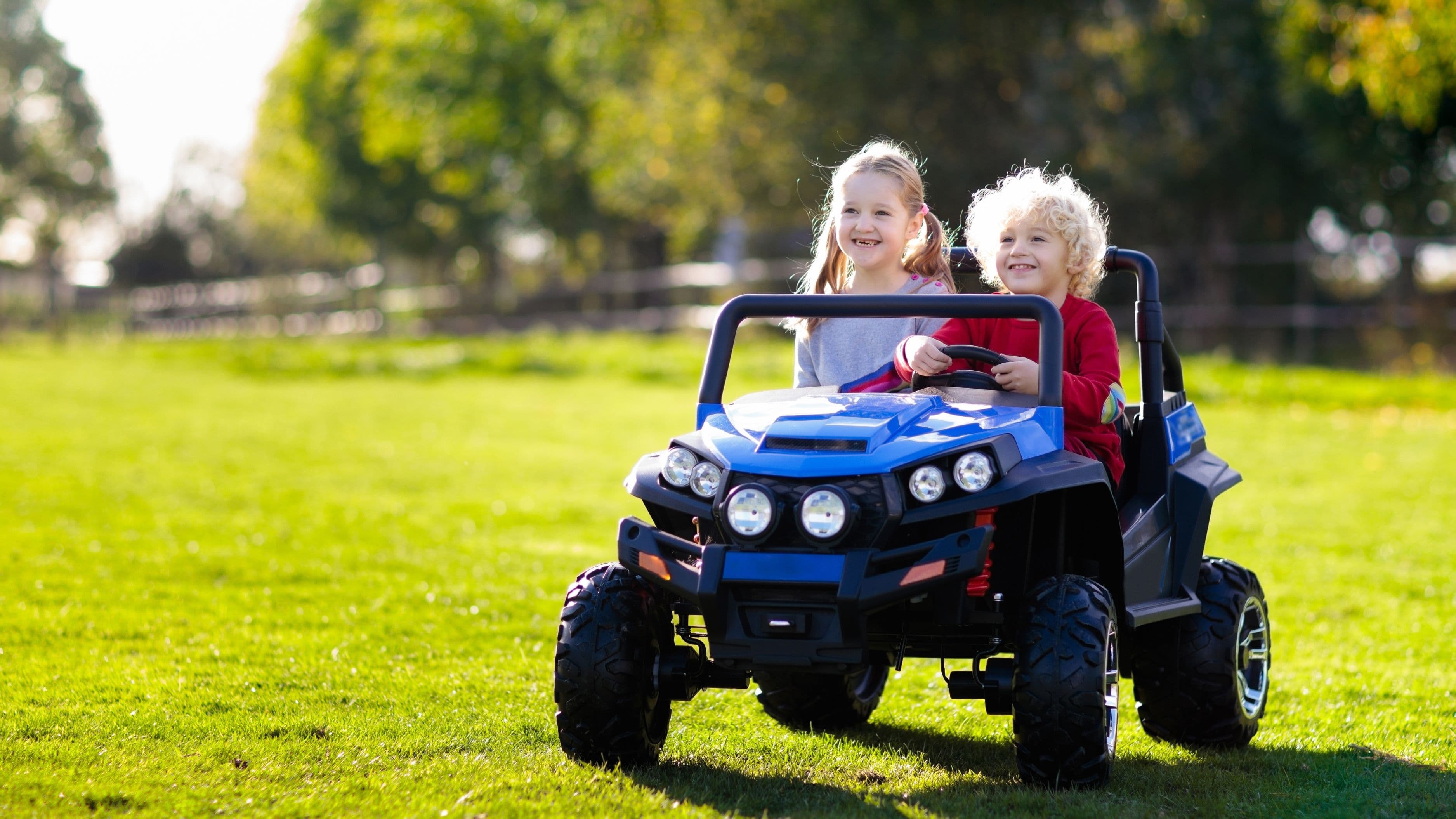
Children don't need complexity to stay engaged outside, they need room to move, a bit of unpredictability, and something that invites them to use their imagination rather than follow a fixed set of instructions. A $200 electronic ride-on toy often gets outgrown or ignored within months, while a simple jump rope, a set of sidewalk chalk, or a basic kickball can hold a child's attention across multiple years because the play itself evolves as the child does. Choosing budget-friendly options isn't a compromise here so much as it's often the more thoughtful choice.
1. Sidewalk Chalk
A bucket of chalk costs only a few dollars and turns a plain driveway into hopscotch courts, obstacle courses, art galleries, or entire imaginary worlds drawn from a child's mind. It's one of the rare toys that scales naturally with age, since a toddler might scribble shapes while an older child designs an elaborate hopscotch grid or a chalk mural with friends.
Real-life application looks like setting out chalk on a Saturday morning and letting your child decide what to create, rather than assigning a specific activity. The benefit here is real creative ownership, something that's harder to come by with toys that only do one predetermined thing.
2. A Basic Jump Rope
Jump ropes remain one of the most physically beneficial toys available at any price point, building coordination, rhythm, and cardiovascular endurance while requiring almost no setup or supervision. A simple rope costs very little and works for solo play, group games, or parent-child bonding time in the backyard.
The learning curve itself becomes part of the fun, since younger kids often enjoy the process of getting better at it just as much as older kids enjoy mastering tricks or double-unders. It travels easily too, fitting in a bag for a park visit or a trip to grandma's house without taking up any real space.
3. A Kickball or Basic Playground Ball
A durable rubber ball opens up an enormous range of games, from kickball and dodgeball to simple catch, and it holds up to years of outdoor abuse far better than more delicate toys. Unlike toys built around a single mechanism, a ball invites kids to invent their own rules and games, which builds both physical skill and social negotiation as they play with siblings or friends.
This is also one of the easiest toys to bring along anywhere, whether that's a backyard, a park, or a family gathering, making it a reliable go-to when kids need to burn energy without much planning involved.
4. A Simple Bubble Wand Set
Bubbles remain reliably magical for young children, and a basic bottle of bubble solution with a wand costs next to nothing while delivering genuine delight almost every time. For toddlers and preschoolers especially, chasing and popping bubbles builds gross motor skills and hand-eye coordination in a way that feels like pure play rather than structured exercise.
Parents can extend this activity easily by making a simple homemade bubble solution with dish soap and water, or by picking up a bubble machine for slightly more sustained, hands-off entertainment during backyard time.
5. Sand and Water Play Basics
A simple bucket, shovel, and a few molds can occupy a child for a surprisingly long stretch of time, whether at a sandbox, beach, or even a small dirt patch in the yard. Sand and water play supports sensory development and imaginative play, letting kids build, pour, dig, and experiment with cause and effect in a low-pressure, unstructured way.
This kind of open-ended play tends to age well too, since older kids often shift from simple digging to building elaborate structures or running informal science experiments with water flow and sand consistency.
6. A Basic Frisbee or Flying Disc
A soft, beginner-friendly flying disc introduces kids to catching, throwing, and basic spatial awareness while doubling as a fun way for the whole family to get outside together. Unlike some sports equipment that requires real skill to enjoy at all, a frisbee is forgiving enough for beginners while still offering room to improve with practice.
It also works well across a wide age range, since younger kids can practice simple tossing and catching while older kids and even adults can turn it into a more competitive backyard game.
7. Hula Hoops
Hula hoops are inexpensive, durable, and surprisingly versatile, supporting everything from classic hip-hooping to simple games like hoop tag or makeshift obstacle courses. They also offer a low-pressure way for kids to build core strength and balance without it feeling like exercise in any formal sense.
Multiple hoops laid out in the yard can become makeshift bases for tag games or a simple ring toss setup, giving families an easy way to create new games without buying anything additional.
8. A Set of Colorful Cones or Markers
A basic set of plastic cones, often sold cheaply as sports training equipment, can transform a backyard into an obstacle course, a mini soccer field, or a simple relay race track. Kids tend to enjoy setting up their own courses just as much as running through them, which adds a layer of creative planning to the physical activity itself.
This is a particularly good option for families with multiple children of different ages, since older kids can design more complex courses while younger siblings navigate simpler versions of the same setup.
9. A Simple Kite
A basic kite introduces kids to wind, physics, and patience in a way few other toys manage, and even an inexpensive diamond or delta kite can provide an afternoon of genuine engagement on a breezy day. Flying a kite together also creates a natural opportunity for shared outdoor time between parents and kids, since getting it airborne often requires some teamwork.
Kite flying works especially well as a seasonal activity, giving families something to look forward to on windy spring or fall days when other outdoor toys might feel less appealing.
10. Nature Scavenger Hunt Kits (or a Homemade List)
A scavenger hunt costs nothing beyond the time it takes to write a short list of items to find, like a specific leaf shape, a smooth rock, or a certain color of flower. This kind of activity encourages kids to slow down and actually notice their outdoor environment, building observational skills alongside physical movement as they search a yard, park, or trail.
Parents can adapt the difficulty easily based on a child's age, keeping lists simple and visual for younger kids while adding more specific or challenging items for older ones.
Reflection or Takeaway
The through-line across all of these options is that the best outdoor toys tend to be the ones that leave room for a child's own imagination and choices, rather than dictating exactly how play should unfold. None of these require a big investment, and most can be found at a dollar store, a big-box retailer's basic aisle, or even repurposed from things already around the house.
What to Avoid
Be cautious with toys that require frequent battery replacement or charging, since these often become a source of frustration rather than fun once the novelty wears off and the batteries die mid-play. It's also worth avoiding overly complicated toys with too many rules or components for a child's age, since these tend to create more setup frustration than actual enjoyment. Keep expectations realistic too. A simple toy might hold attention for twenty minutes one day and two hours the next, and that inconsistency is a normal part of childhood play rather than a sign you picked the wrong toy.
FAQ
How do I keep a simple toy interesting over time? Rotate how it's used rather than buying something new. A ball can become kickball one week and a "don't touch the lava" game the next, simply by changing the rules together with your child.
Are budget toys really as good as expensive ones? Often, yes, especially for open-ended play. Expensive toys with a single fixed function can actually limit a child's imagination compared to simple tools that invite them to invent their own games.
What age groups do these toys work best for? Most of these options adapt well across toddler through pre-teen years, with the complexity of the game growing alongside the child rather than requiring an entirely new toy at each stage.
📚 Sources
American Academy of Pediatrics – "The Power of Play." https://www.aap.org/en/patient-care/early-childhood/early-childhood-health-and-development/the-power-of-play/
National Recreation and Park Association – "Benefits of Outdoor Play." https://www.nrpa.org/
HealthyChildren.org – "Encouraging Unstructured Play." https://www.healthychildren.org/