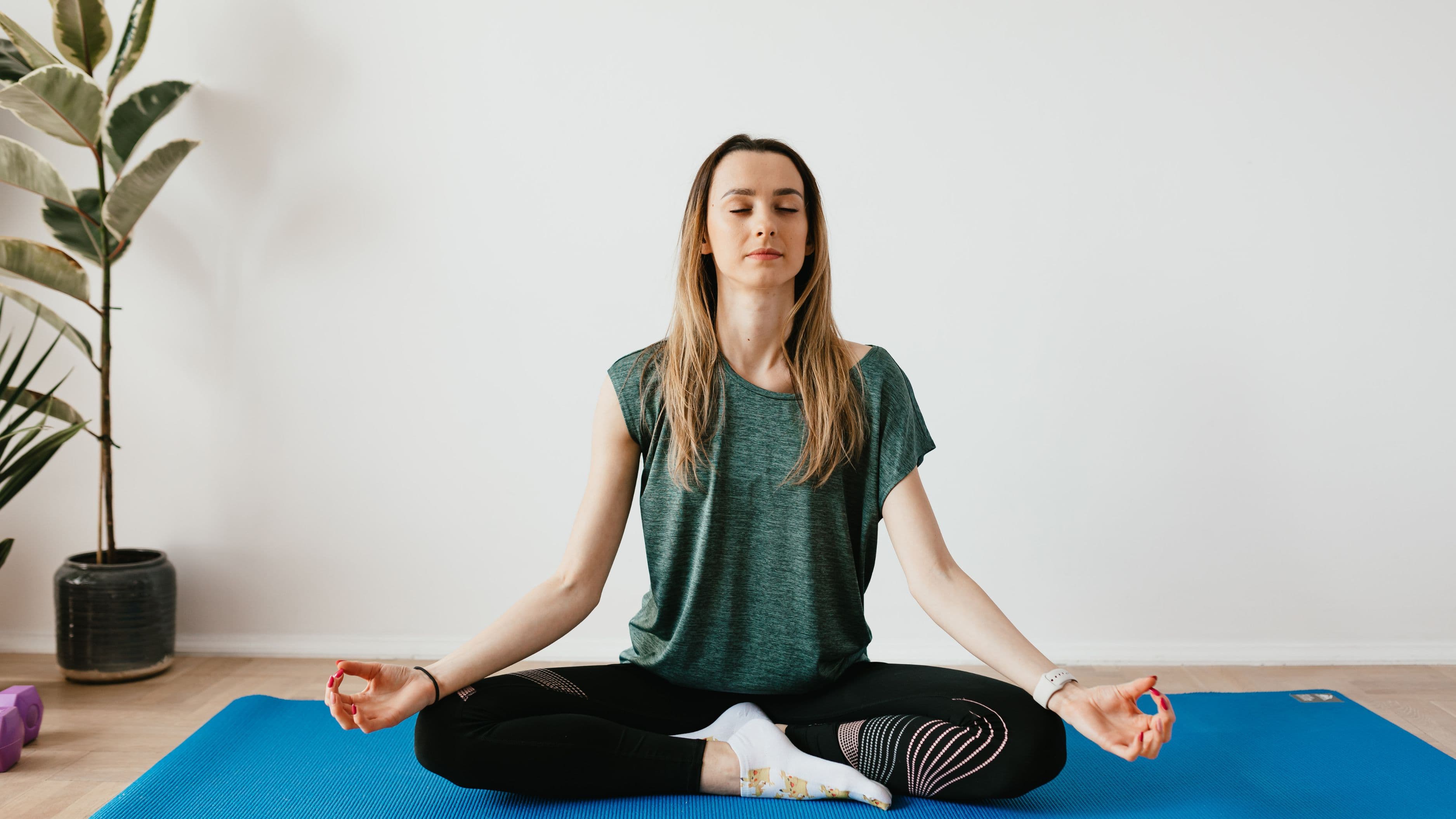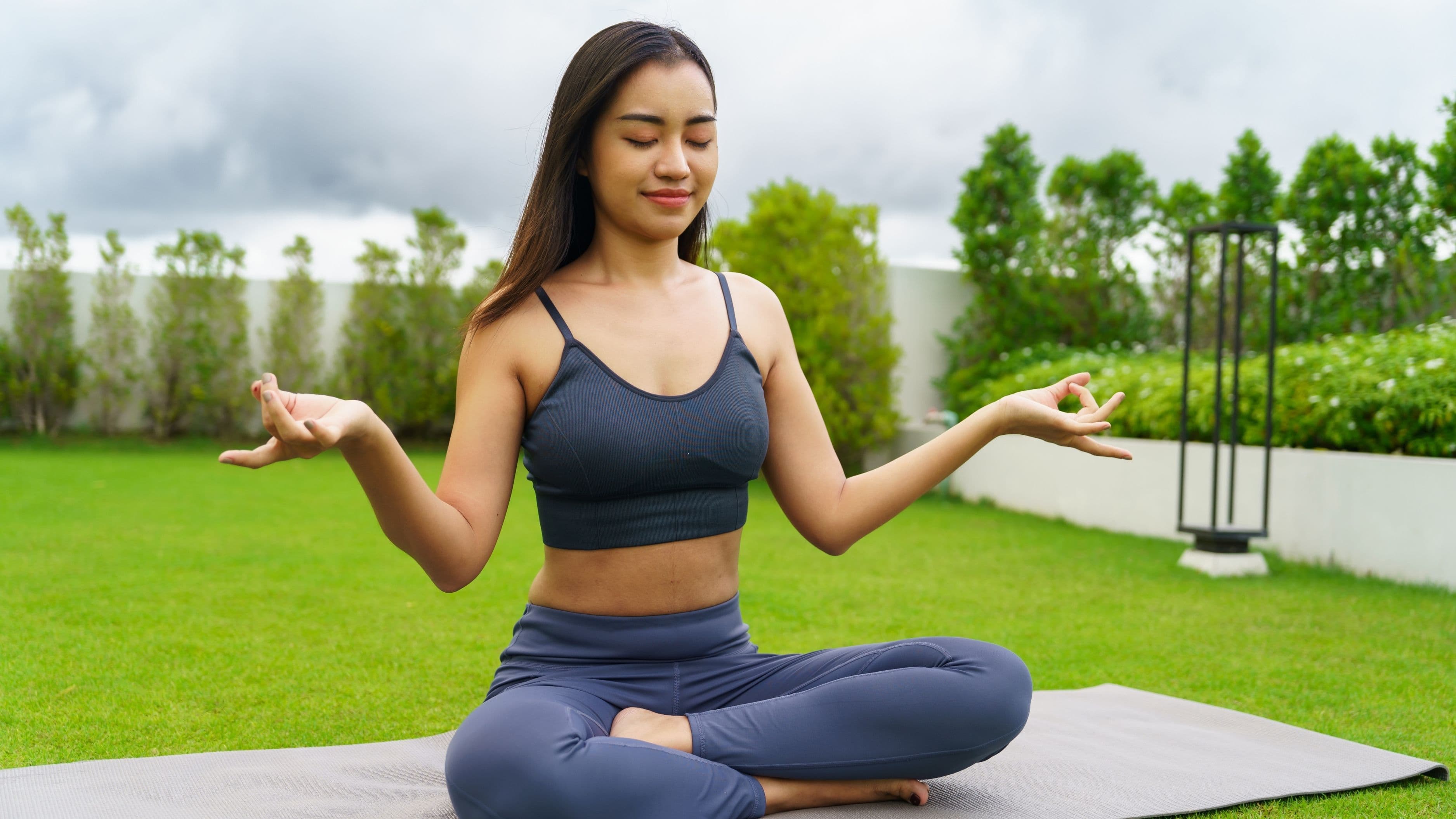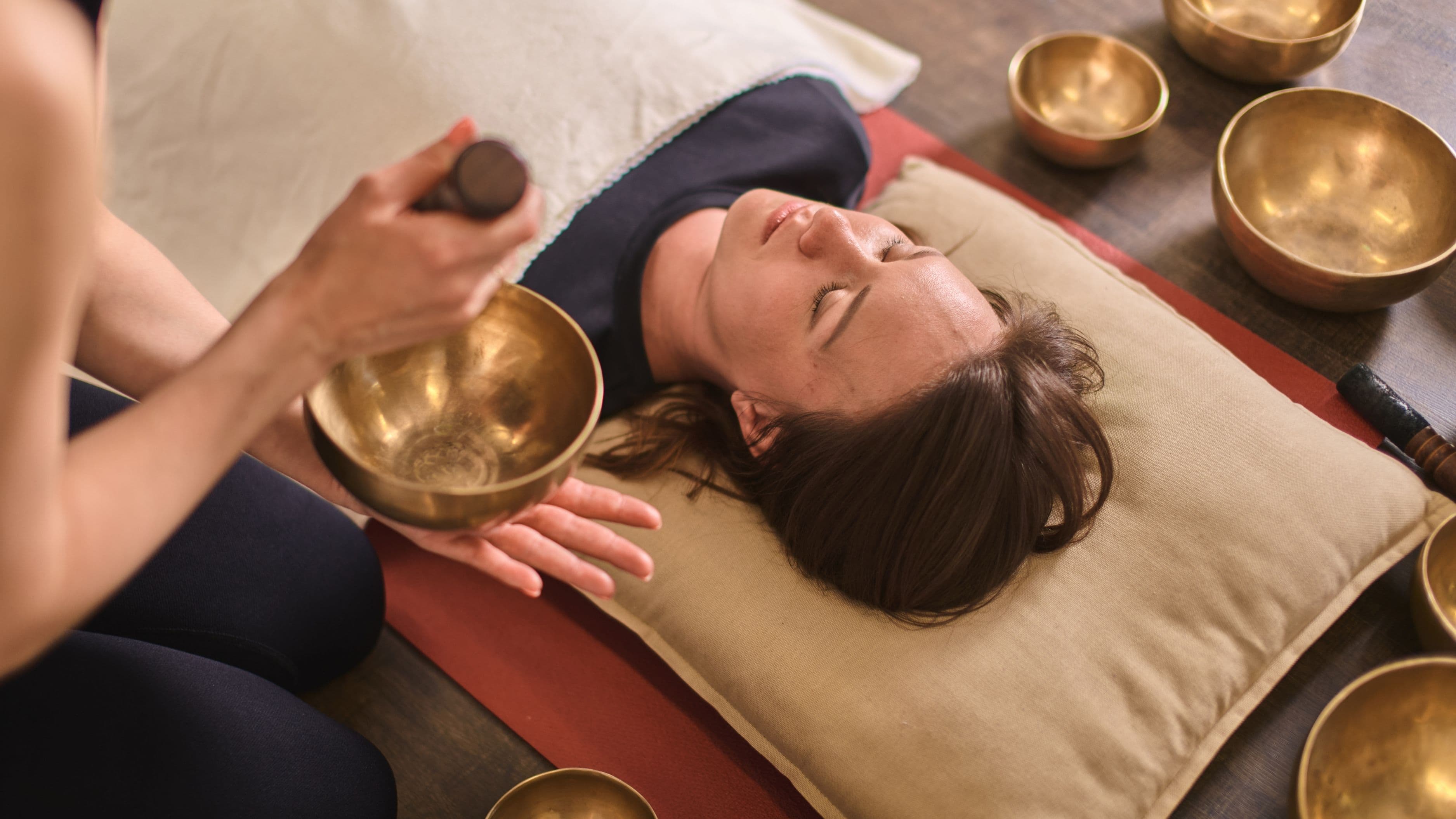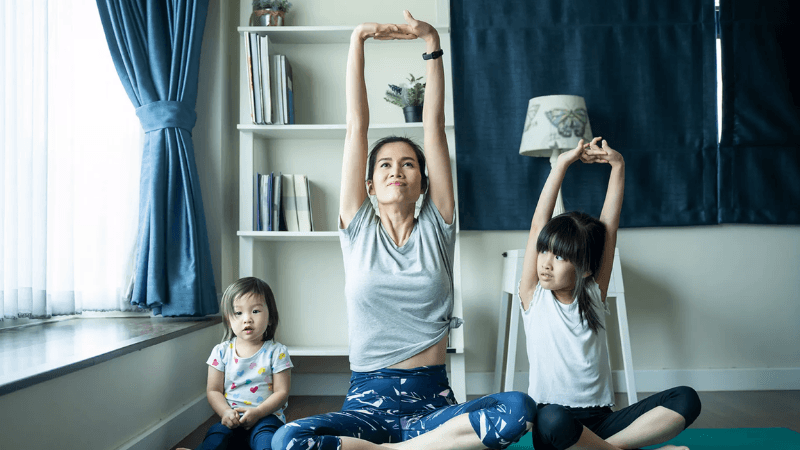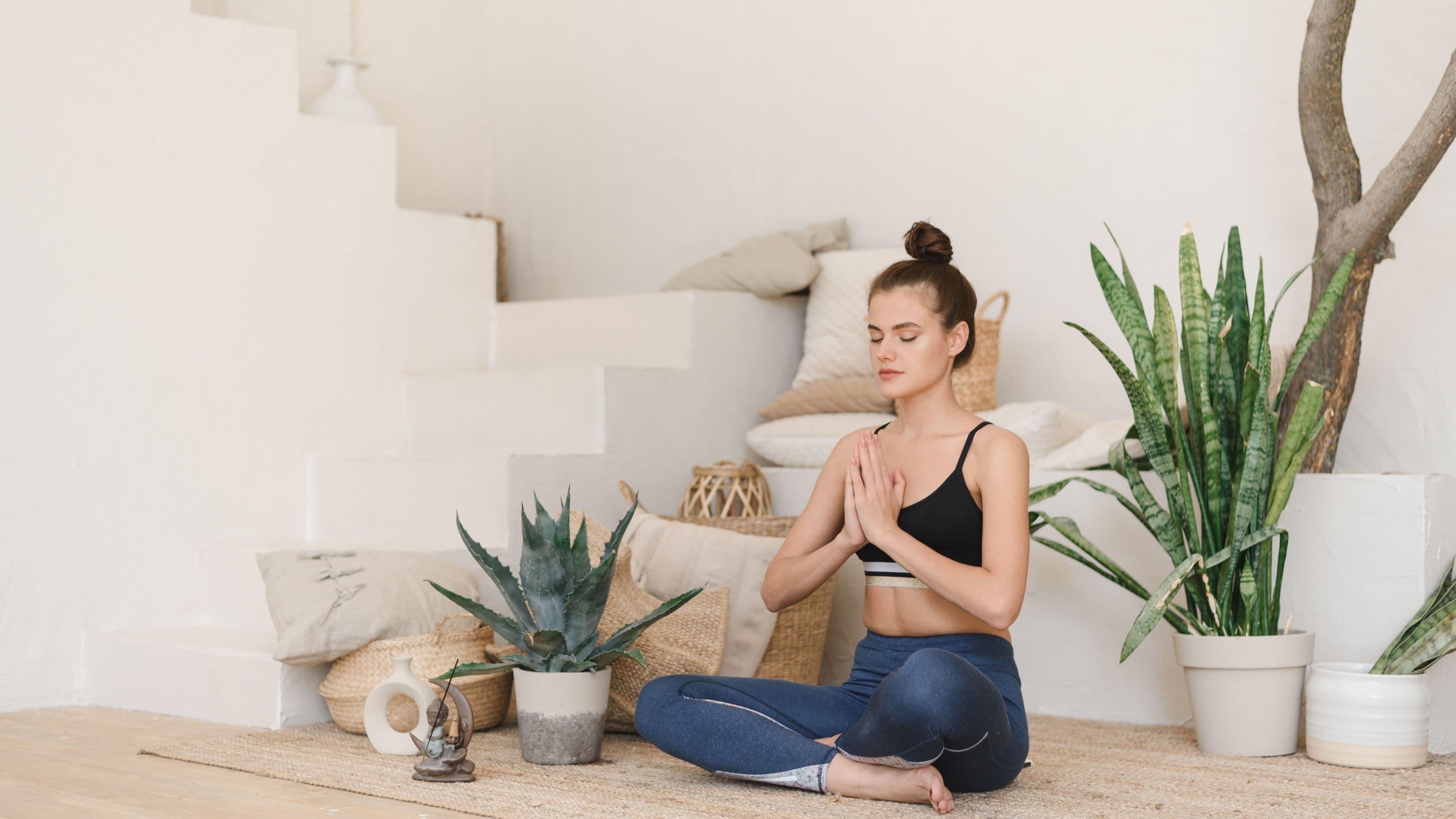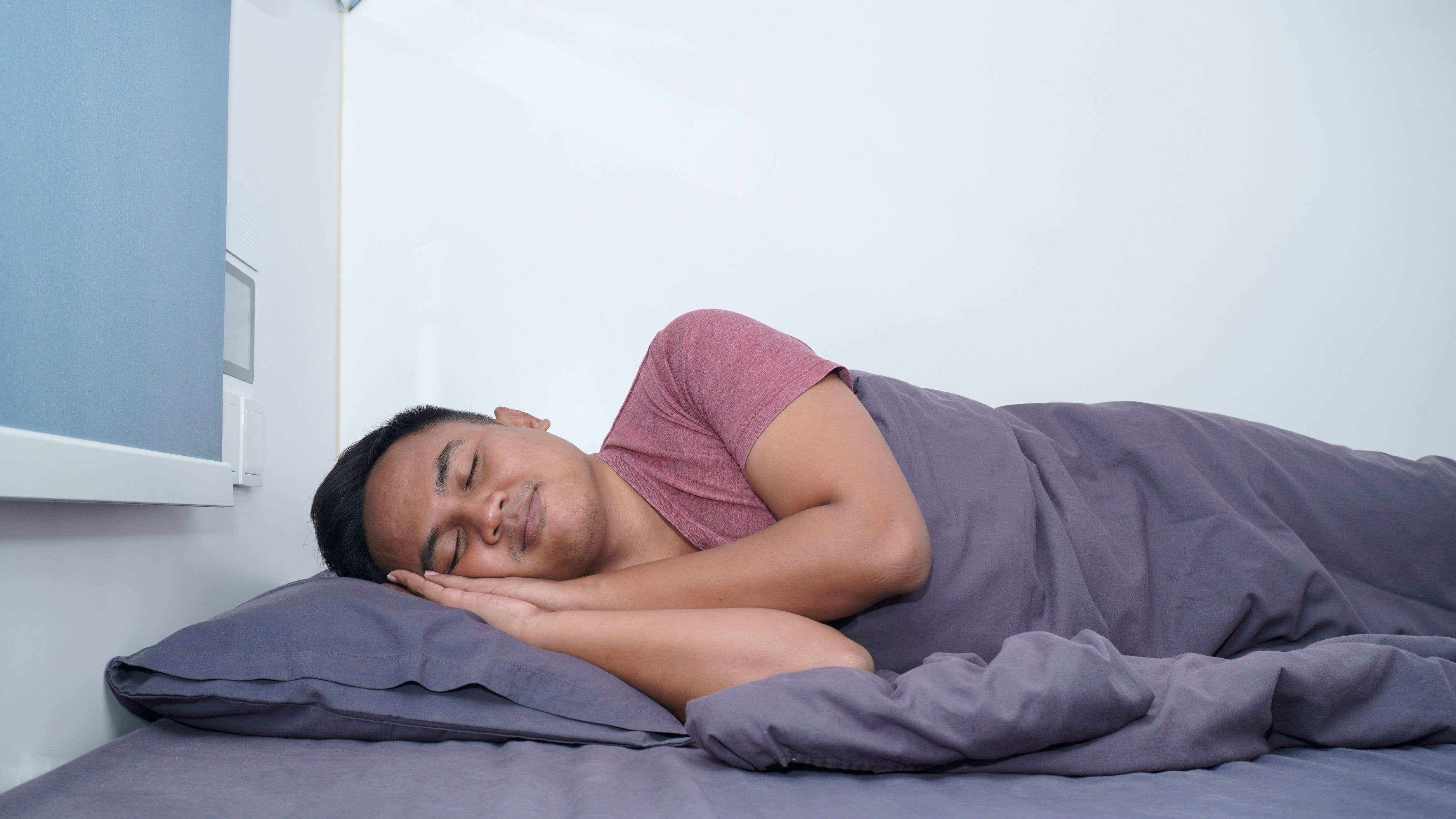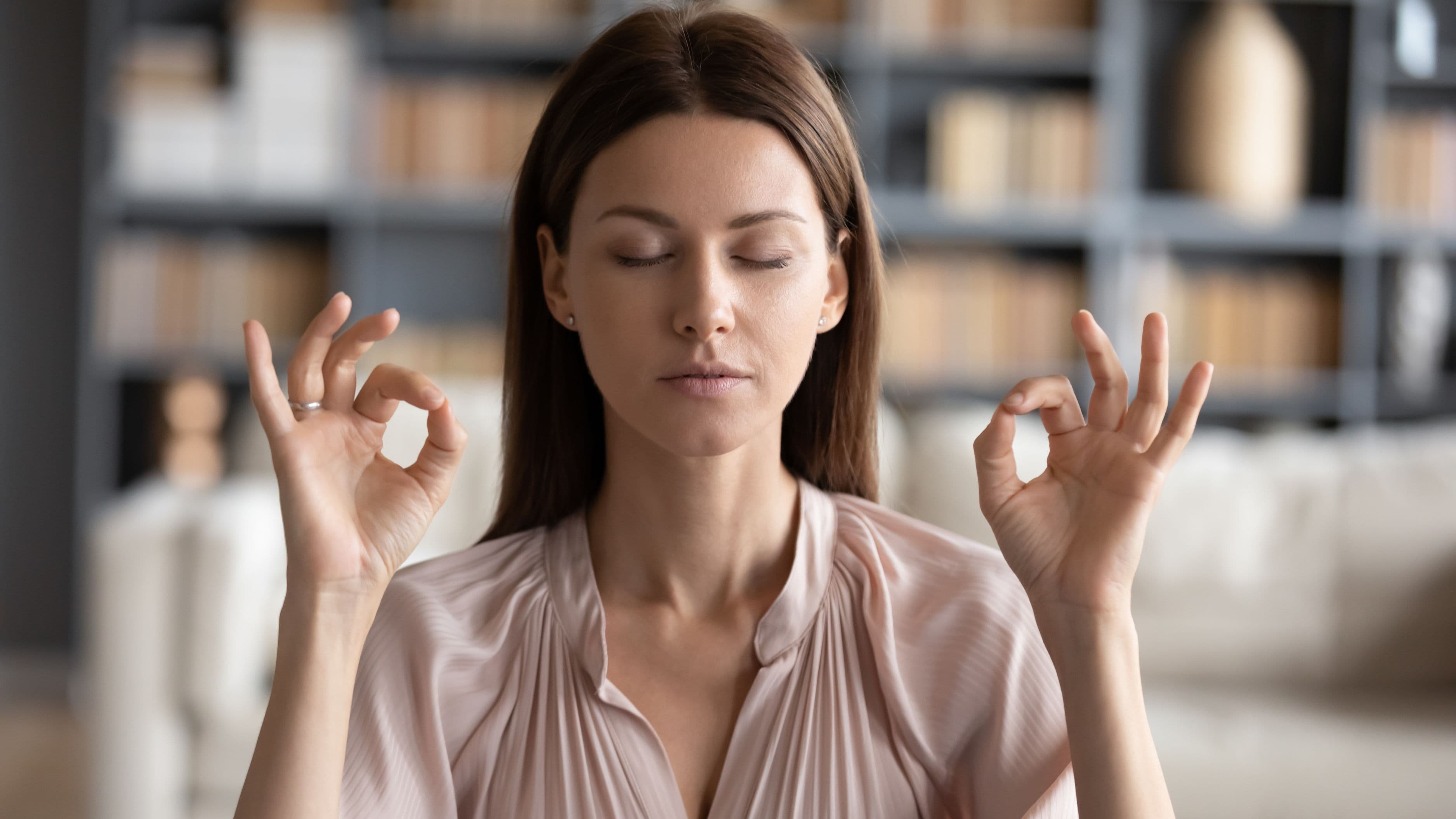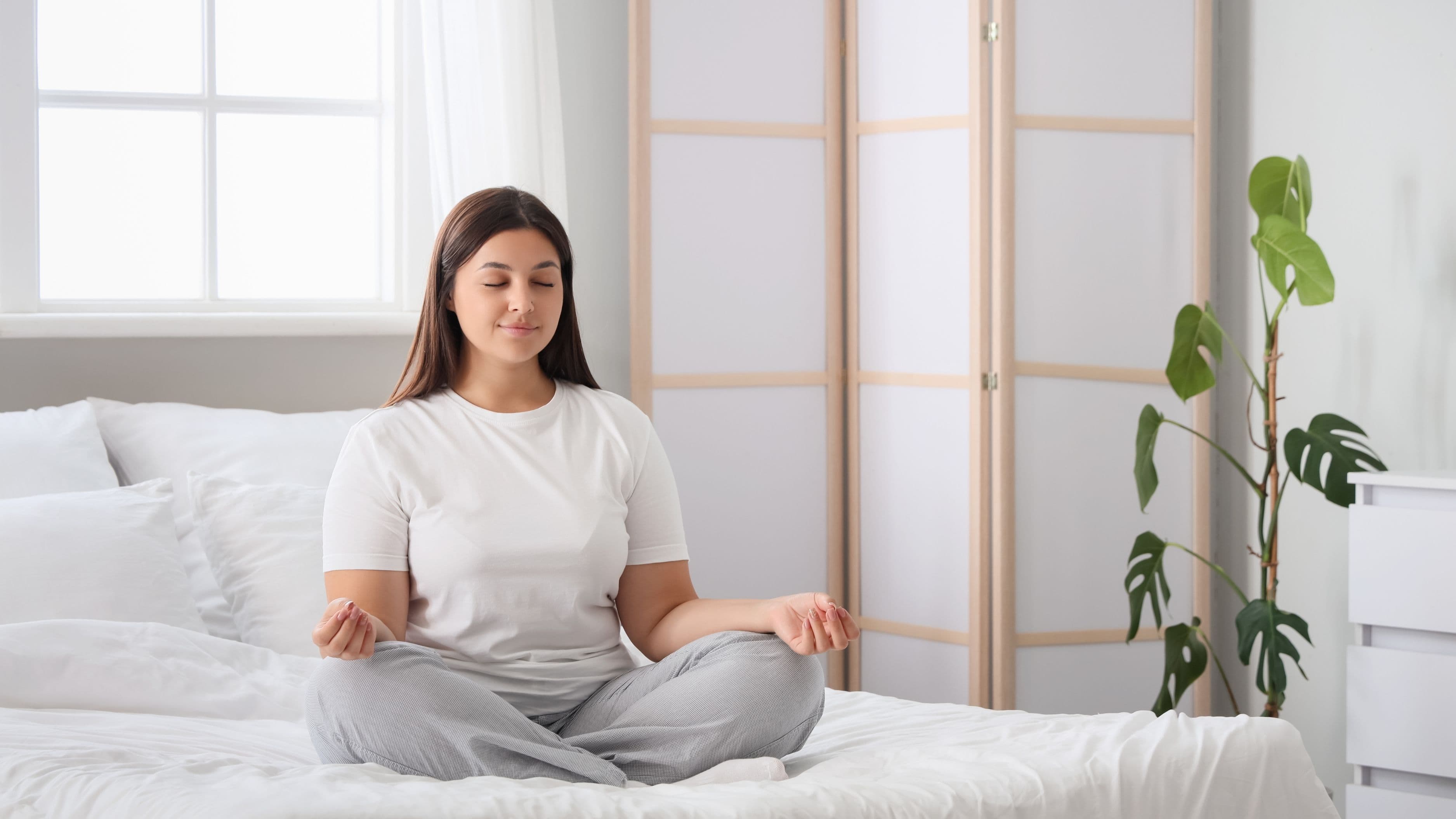
That's what breathwork is, at its core. And it's one of the most accessible, research-backed tools available for managing stress – no equipment, no special setting, and no experience required.
What Breathwork Actually Is
Breathwork is the practice of intentionally changing how you breathe in order to influence your mental, emotional, and physical state. It's not one technique but a broad category that spans everything from slow, meditative breathing practices to more dynamic, rhythmic methods used in therapeutic settings.
At the most practical level, breathwork is simply paying attention to your breath and adjusting it with purpose. You might slow your exhale to calm your nervous system before a stressful conversation. You might use a specific rhythm to lower your heart rate after a difficult moment. Or you might practice a longer breathwork session to release tension that's been quietly accumulating for weeks.
Unlike many wellness tools, breathwork has a direct physiological mechanism that's well understood. Your breath is the only autonomic function – something your body does automatically – that you can also consciously control. This gives you a direct line into your nervous system, which is exactly why even a few intentional breaths can change how you feel within seconds.
Why Stress Feels the Way It Does
Before diving into how breathwork helps, it's useful to understand why stress affects your body the way it does. When your brain perceives a threat – whether that's a work deadline, a difficult conversation, or a moment of overwhelm – it activates your sympathetic nervous system, triggering what's commonly called the "fight or flight" response.
Your heart rate increases, your breathing becomes shallow and fast, your muscles tense, and cortisol floods your system. This response is genuinely useful in a real emergency. The problem is that your nervous system doesn't distinguish well between an actual threat and a perceived one. A heated email can produce the same physiological response as a near-miss car accident.
The good news is that the counterpart to this system – the parasympathetic nervous system, often called "rest and digest" – can be activated just as quickly. And your breath is one of the fastest ways to do it.
How Breathwork Reduces Stress (The Short Version)
When you breathe slowly and deeply, you stimulate the vagus nerve – a long nerve that runs from your brainstem through your chest and abdomen and serves as the main communication line between your brain and your body's organs. Vagal stimulation tells your body that things are safe, which triggers a cascade of calming responses: your heart rate slows, your blood pressure drops, your muscles release tension, and the stress hormones circulating in your system begin to clear.
Research published in journals including Frontiers in Human Neuroscience and Psychophysiology has consistently shown that slow-paced breathing – particularly extending the exhale – activates the parasympathetic nervous system and reduces markers of stress within minutes. This isn't a placebo effect. It's measurable physiology.
The exhale, specifically, is the key. Inhaling slightly accelerates your heart rate; exhaling slows it down. The longer and more complete your exhale relative to your inhale, the stronger the calming signal sent to your brain.
Simple Breathwork Techniques to Try
You don't need a formal practice or a guided session to start experiencing the benefits of breathwork. These techniques are accessible in any moment and can be done seated, lying down, or even standing at your kitchen sink.
Physiological Sigh (For Immediate Calm)
This is the fastest-acting breathwork technique currently supported by neuroscience research, studied extensively by Dr. Andrew Huberman's lab at Stanford. A physiological sigh is something your body actually does automatically during deep sleep to offload carbon dioxide buildup – and you can use it deliberately to reduce stress almost instantly.
Here's how: take a full inhale through your nose, then take a second short sniff at the top of that inhale to fully inflate your lungs. Then exhale slowly and completely through your mouth. That double inhale followed by a long exhale rapidly shifts your state. Most people notice a difference after just one or two repetitions.
Box Breathing (For Focus and Steadiness)
Box breathing – also called four-square breathing – is widely used by Navy SEALs, first responders, and athletes to manage stress under pressure. It's also useful in everyday moments when you feel your thoughts racing or your body tightening.
Inhale through your nose for four counts. Hold at the top for four counts. Exhale through your mouth for four counts. Hold at the bottom for four counts. Repeat for four to six rounds. The equal-ratio structure of box breathing brings your nervous system into a state of balance – not so activated that you feel anxious, not so calm that you feel foggy. It's particularly useful before important conversations or moments that require clear-headed focus.
4-7-8 Breathing (For Winding Down)
Developed by integrative medicine physician Dr. Andrew Weil, the 4-7-8 technique is particularly effective for winding down before sleep or releasing tension after a long day. Inhale through your nose for four counts, hold your breath for seven counts, then exhale completely through your mouth for eight counts. The extended hold and long exhale are what make this technique deeply calming – the long breath-hold creates a slight buildup of carbon dioxide that signals the body to slow down, and the eight-count exhale fully activates the parasympathetic response.
Start with four cycles if you're new to it. Some people feel slightly lightheaded at first, which is normal and passes quickly.
Coherent Breathing (For Ongoing Stress Management)
Coherent breathing, sometimes called resonance breathing, involves breathing at a rate of approximately five to six breaths per minute – much slower than the typical 12 to 20 breaths most adults take at rest. At this pace, your heart rate variability (a marker of nervous system health and stress resilience) reaches its highest natural level.
To practice it: inhale slowly for five counts, exhale slowly for five counts. Repeat for five to ten minutes, ideally once a day. Unlike the faster-acting techniques above, coherent breathing is less about immediate relief and more about building your baseline resilience to stress over time. Research by Dr. Richard Brown and Dr. Patricia Gerbarg, published in their book The Healing Power of the Breath, supports its effectiveness for anxiety, depression, and trauma recovery.
Building a Simple Breathwork Practice
You don't need to overhaul your routine to benefit from breathwork. Even two to five minutes a day of intentional breathing creates measurable change over time.
A few gentle ways to build it in:
Start your morning with three to five minutes of coherent breathing before you reach for your phone. It sets a calmer tone for the entire day, and many people find it more effective than coffee for clearing morning grogginess.
Use the physiological sigh as a first response to stress. When you feel tension rise – before a meeting, after a difficult conversation, during traffic – two or three double-inhale exhales can interrupt the stress response before it fully takes hold.
End your evening with 4-7-8 breathing as part of a wind-down routine. Even four cycles signals to your nervous system that the day is over and it's safe to rest.
The key is consistency rather than duration. A few intentional breaths every day builds nervous system flexibility far more effectively than one long session once a week.
Common Mistakes to Avoid
One of the most common mistakes is breathing too forcefully. Breathwork doesn't require effort or tension – the goal is always ease, even when following a structured count. If you feel strain or tightness at any point, soften your approach. The breath should feel gentle, not like something you're pushing through.
Another pitfall is using breathwork only in crisis. While it absolutely helps in acute stress, building a small daily practice gives you far more resilience. Think of it like strength training – occasional effort helps, but consistent practice changes your baseline.
If you're new to breathwork and attempt longer or more intensive techniques (like holotropic breathing or extended breath holds), it's worth doing so with guidance. The simple techniques in this article are safe for most people, but more advanced practices can produce intense emotional or physical responses that are better navigated with a trained facilitator present.
Finally, don't judge your sessions. Some will feel immediately calming. Others will feel restless or neutral. That's normal. Your nervous system's state varies from day to day, and the practice builds benefit over time regardless of how any single session feels.
A Gentle Note on Expectations
Breathwork isn't a cure for chronic stress or anxiety, and it works best as part of a broader approach to well-being rather than a standalone solution. What it does exceptionally well is give you a tool that's always with you – something you can reach for in any moment to create a small but real shift in how your body and mind feel.
That accessibility is rare. Most wellness practices require time, space, or resources that aren't always available. Your breath requires none of those things. It's always there, and with a little intention, it becomes one of the most reliable anchors you have.
FAQ
Is breathwork safe for everyone? The gentle techniques described in this article – physiological sigh, box breathing, 4-7-8, and coherent breathing – are safe for most adults. If you have cardiovascular conditions, respiratory issues, or are pregnant, check with your doctor before beginning any new breathing practice. More intensive breathwork modalities should always be approached with qualified guidance.
How quickly does breathwork work for stress? Some techniques, like the physiological sigh, can produce a noticeable shift within 30 to 60 seconds. Others, like coherent breathing, build cumulative benefits over days and weeks of consistent practice. Both the immediate and long-term effects are real and supported by research.
Can breathwork help with anxiety? Yes – there is a growing body of research supporting breathwork as an effective complementary tool for anxiety management. A 2023 study published in Cell Reports Medicine found that breathwork practices outperformed mindfulness meditation for reducing anxiety in some participants. It's not a replacement for professional support when anxiety is significant, but it's a meaningful tool in any stress-management toolkit.
Do I need to meditate to do breathwork? No. Breathwork and meditation are complementary but separate practices. Many people find breathwork easier to start with than meditation because it gives the mind something concrete to focus on – the count, the sensation, the rhythm – rather than simply sitting with stillness.
How long should a breathwork session be? Even two to five minutes produces measurable physiological change. Ten to twenty minutes is enough for a deeper, more intentional session. You don't need to commit large blocks of time to benefit.
What's the best time of day to practice breathwork? Morning breathwork tends to support focus and calm for the day ahead. Evening breathwork supports wind-down and sleep. Midday practices are useful for resetting between high-demand periods. There's no single best time – the best time is whatever you'll actually do consistently.
📚 Sources
Frontiers in Human Neuroscience – The Effect of Diaphragmatic Breathing on Attention, Negative Affect, and Stress: https://www.frontiersin.org/articles/10.3389/fnhum.2017.00316/full
Cell Reports Medicine – Brief Structured Respiration Practices Enhance Mood and Reduce Physiological Arousal: https://www.cell.com/cell-reports-medicine/fulltext/S2666-3791(22)00474-8
Stanford – Huberman Lab: Breathing Techniques to Reduce Stress and Anxiety: https://hubermanlab.com/breathing-techniques-to-reduce-stress-and-anxiety/
Dr. Andrew Weil – The 4-7-8 Breathing Exercise: https://www.drweil.com/health-wellness/body-mind-spirit/stress-anxiety/breathing-three-exercises/
Harvard Health Publishing – Relaxation Techniques: Breath Control Helps Quell Errant Stress Response: https://www.health.harvard.edu/mind-and-mood/relaxation-techniques-breath-control-helps-quell-errant-stress-response