Grace, in this context, doesn't mean pretending everything is fine or forcing closeness before it's ready. It means giving the process the time, patience, and structure it actually needs, while staying grounded through the parts that feel messy along the way.
Understanding Why Blended Families Feel So Complicated
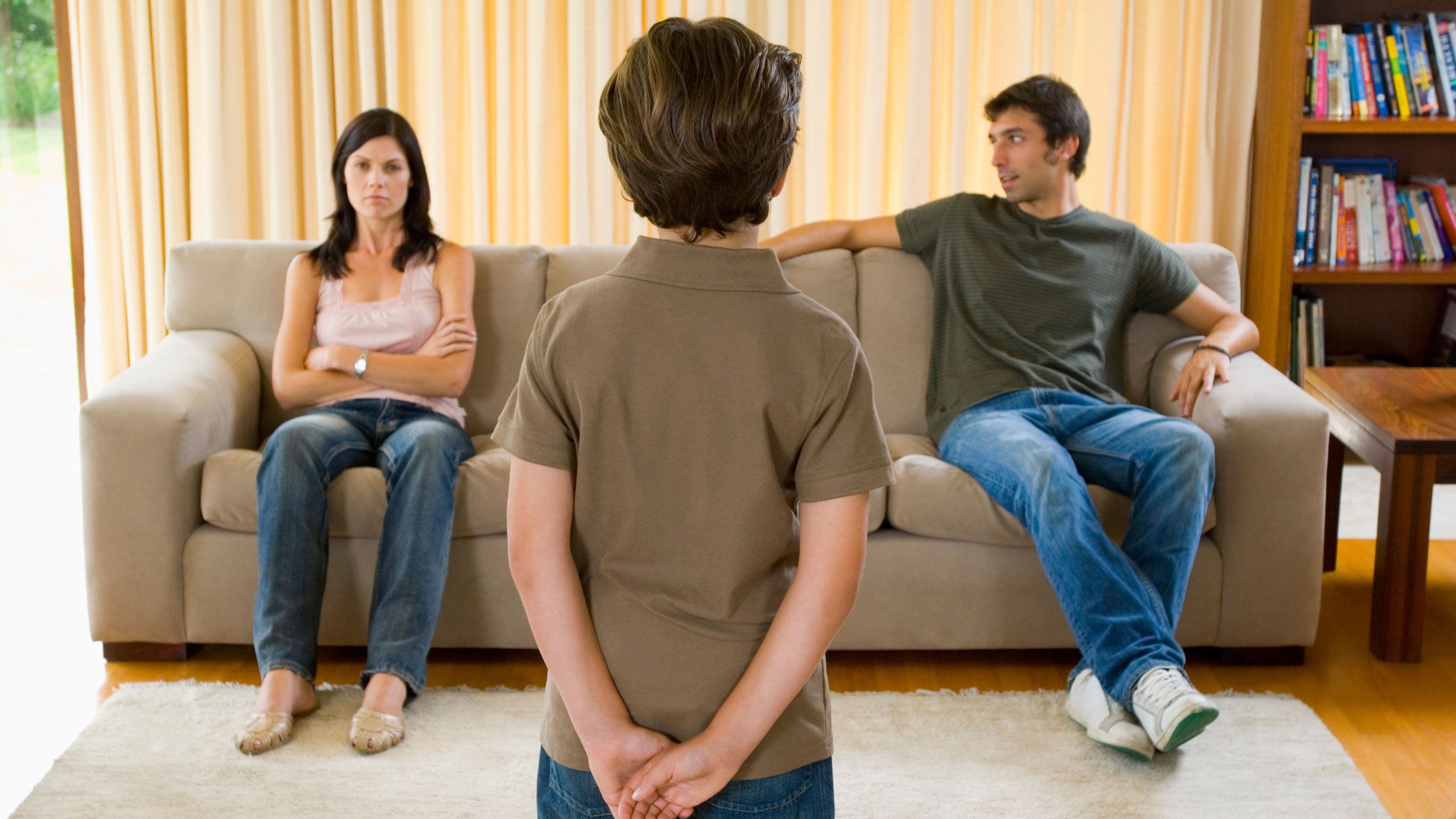
Every person in a blended family is adjusting to something different at the same time. A child might be grieving the family structure they used to know, even if the new one is genuinely good for them. A stepparent might be navigating a role with no clear rulebook, unsure how much authority feels appropriate. And a biological parent is often caught trying to support their partner while protecting their child's emotional pace, which can feel like being pulled in two directions at once.
None of this means the family is failing. It means everyone is moving through a real transition, and transitions take longer to settle than most people expect going in.
Step 1: Let Relationships Build at Their Own Pace
One of the most common mistakes in blended families is expecting affection and trust to happen on a timeline. Children, especially, often need months or years to feel safe with a new family structure, and pushing for closeness before they're ready usually backfires, creating more resistance instead of less.
Instead of expecting a stepparent-child relationship to feel like a "real" family bond right away, focus on consistency and reliability first. Trust tends to build through small, repeated moments – showing up, following through, being predictable – long before it builds through big gestures or forced bonding activities.
Step 2: Get Clear on Parenting Roles Early
A lot of blended family tension comes from unclear expectations about who disciplines whom, and when. It helps enormously for the biological parent and stepparent to have this conversation privately, away from the kids, so they're presenting a united approach rather than figuring it out in real time during a conflict.
A common and effective starting point: the biological parent takes the lead on discipline early on, while the stepparent focuses on building relationship and trust first. Authority can shift naturally over time as the relationship strengthens, rather than being assumed on day one.
Step 3: Protect the Couple's Relationship
It's easy for the partnership at the center of a blended family to get pushed to the bottom of the priority list while everyone focuses on the kids' adjustment. But a stable, connected couple relationship is actually one of the biggest stabilizing forces for kids navigating the transition, even if it doesn't feel that way day to day.
Carve out time to check in with each other regularly, not just about logistics, but about how you're each actually doing emotionally. Blended family stress has a way of showing up as tension between partners when it's really about something else entirely, and naming that directly helps prevent resentment from quietly building.
Step 4: Make Space for Grief, Even in a Happy Blend
Even when a new family situation is genuinely positive, kids (and sometimes adults) can carry grief for what came before – a previous family structure, more one-on-one time with a parent, or simply the version of life they were used to. This grief can coexist with real happiness about the new family, and it doesn't need to be fixed or rushed through.
Naming this openly – "it's okay to miss how things used to be, even if you're also happy now" – gives kids permission to feel both things at once instead of suppressing one to perform contentment with the other.
Step 5: Create New Traditions Without Erasing Old Ones
Blended families often do best when they build new shared rituals rather than trying to replace the ones each half of the family already had. A new tradition – a specific weekend activity, a holiday ritual unique to this new family – gives everyone something to bond around that isn't compared to "how things used to be."
At the same time, honor existing traditions where possible, especially ones tied to a child's other parent or extended family. Blending doesn't have to mean erasing; it can mean expanding what family means without asking anyone to give up what mattered before.
Step 6: Communicate Directly Instead of Through Assumptions
Misunderstandings multiply quickly in blended families because everyone is operating with different histories and expectations. A stepparent might assume a certain house rule is understood; a child might assume a stepparent's quietness means disapproval, when it's really uncertainty about their role. Direct, calm conversation clears up far more than most people expect.
This applies to co-parenting with an ex as well. Keeping communication centered on the child's needs, rather than old relationship dynamics, makes coordination between households significantly smoother for everyone involved, especially the kids caught in the middle.
Mistakes to Avoid
Avoid forcing a stepparent into a full parental authority role before trust has been built – it tends to create resistance rather than respect. Avoid comparing the new family structure to the old one out loud, even with good intentions, since it can make kids feel caught between loyalties. And avoid expecting yourself to have this all figured out quickly; blended families typically need a year or more to find a rhythm that feels natural rather than effortful.
Realistic Expectations
Most family therapists suggest it can take two to four years for a blended family to feel fully integrated, and that timeline varies a lot depending on the ages of the children and the circumstances that led to the blend. Progress in the meantime often looks like fewer conflicts, not zero conflicts, and that's a completely normal marker of things moving in the right direction.
FAQ
How do I handle a child who openly rejects my new partner? Give it time and avoid forcing interaction. Focus on your own relationship with your child staying strong, and let your partner build trust gradually through consistency rather than pushing for acceptance directly.
Should stepsiblings be expected to get along right away? No. Like any relationship, sibling bonds in blended families take time and shouldn't be forced. Shared low-pressure activities tend to help more than expecting instant closeness.
How involved should a stepparent be in discipline? Most family therapists recommend the biological parent lead on discipline initially, with the stepparent stepping into more of that role gradually as trust and relationship develop.
What if my partner and I disagree on parenting approaches? This is common and worth addressing privately and directly, ideally before conflicts arise in front of the kids. Presenting a united, pre-discussed approach reduces confusion and tension for children.
📚 Sources
American Psychological Association – "Making Stepfamilies Work" – https://www.apa.org/topics/families/stepfamilies
Child Mind Institute – "Helping Kids Adjust to a Blended Family" – https://childmind.org/article/helping-kids-adjust-to-a-blended-family/