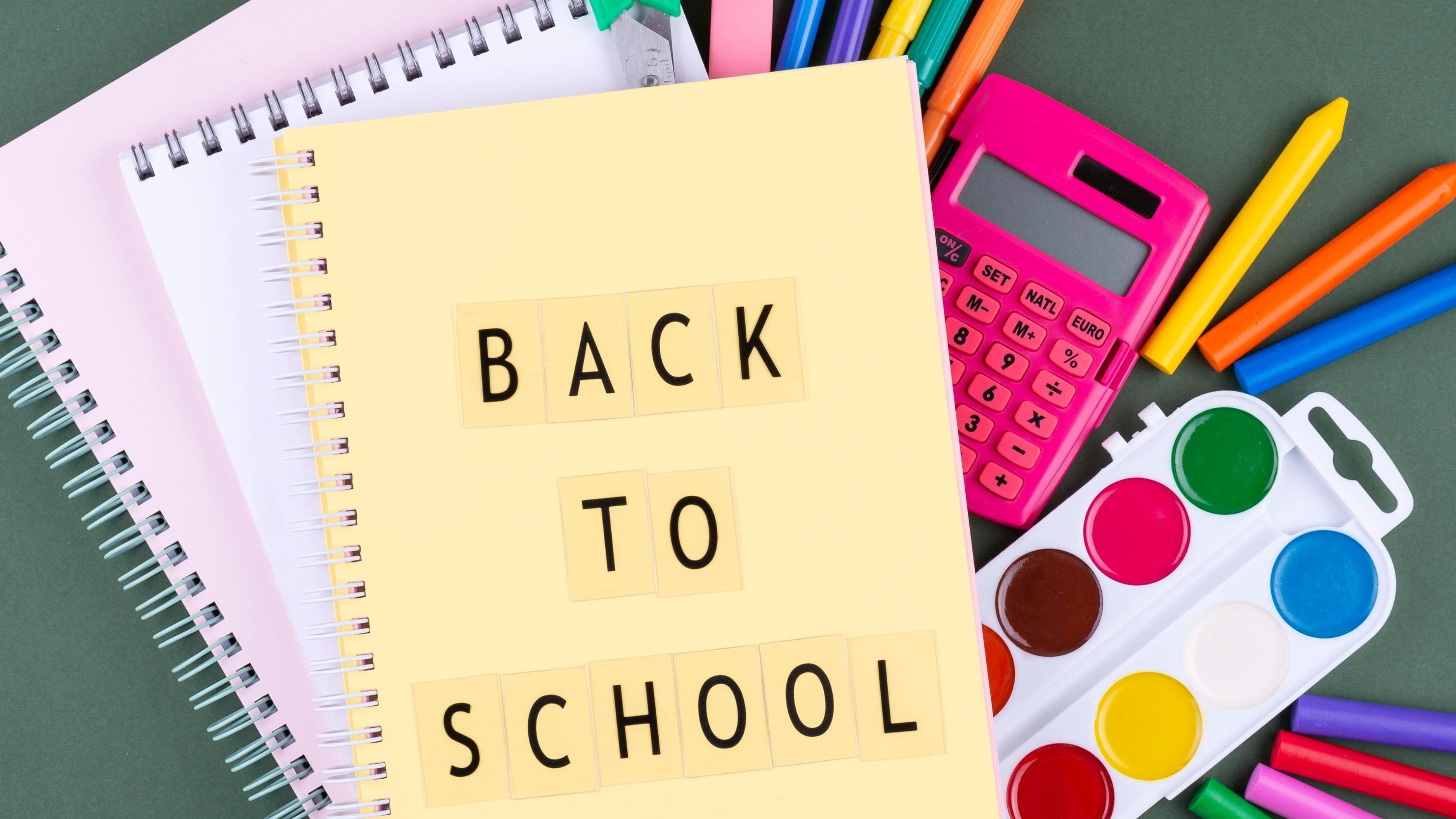
It doesn't have to go that way. With a bit of intention, back-to-school shopping can actually become a calm, even enjoyable part of the seasonal shift, rather than another item on the stress pile.
Start With What You Already Have
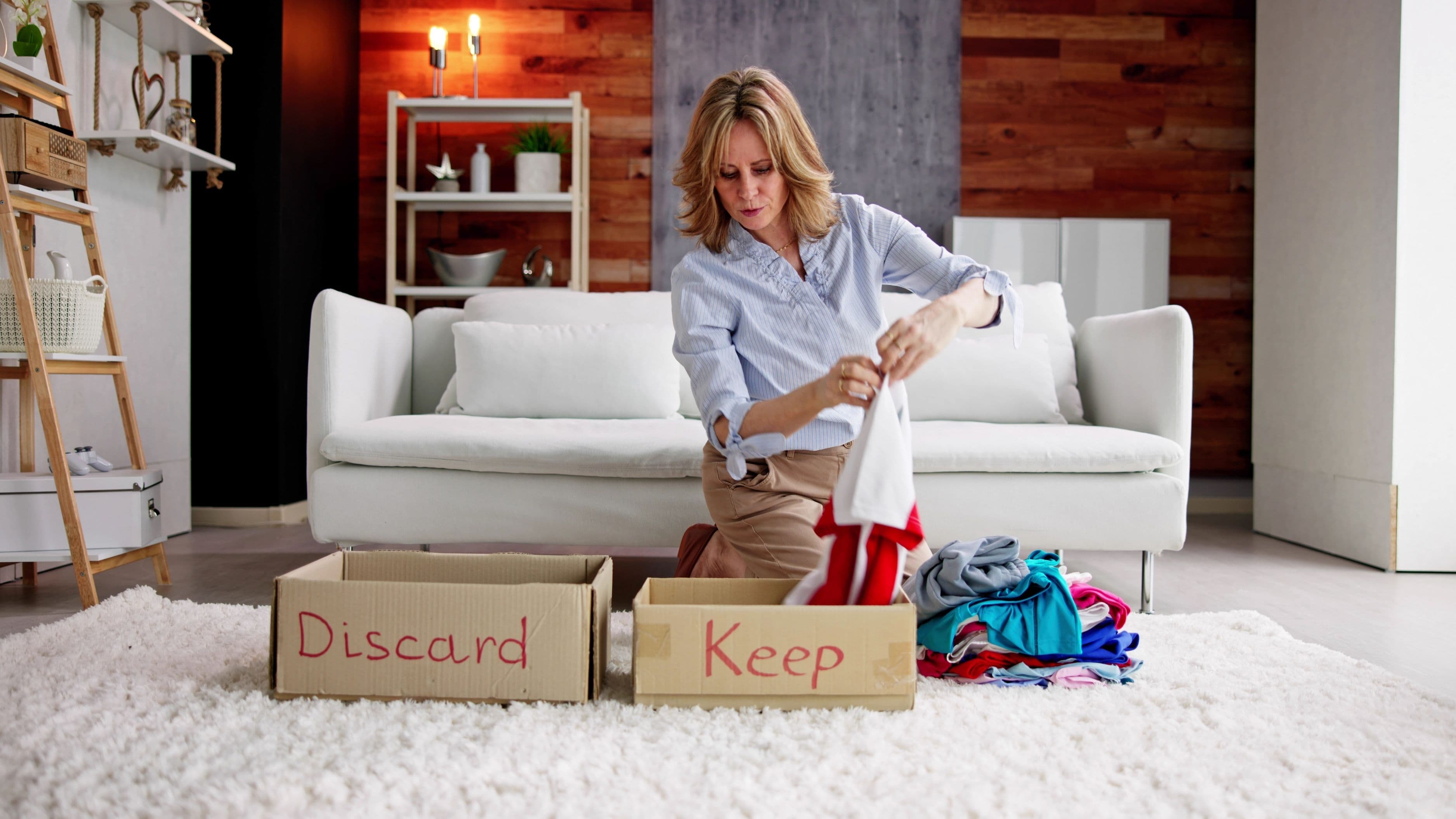
Before adding anything to a cart, take ten quiet minutes to go through last year's supplies. Half-used notebooks, unbroken crayons, and barely-touched folders often get tossed simply because nobody checked before buying new ones.
This step matters for more than just saving money. Walking into a store with a clear, accurate list means you're shopping with purpose instead of wandering the aisles trying to remember what you might need, which is often where the stress and overspending both creep in. It also gives your child a small, grounding task – sorting through their own supplies builds a bit of ownership over the school year ahead, rather than everything simply appearing for them.
Shop the List, Not the Displays
Retailers design back-to-school sections to feel urgent and exciting, with bold displays and limited-time signage that can easily pull you toward things that aren't actually on your list. It's worth naming this pattern to yourself ahead of time, so you're not caught off guard by the impulse to add "just one more thing" that catches your eye.
Bringing the actual supply list with you, whether on paper or your phone, keeps the trip anchored. If your child is shopping with you, letting them check items off the list as you go can turn a stressful errand into something closer to a shared little ritual, especially for kids who enjoy a sense of structure and completion.
Spread the Shopping Across a Few Smaller Trips
One long, exhausting trip trying to cover every item at once is often where the overwhelm peaks, especially with restless kids in tow. Breaking the shopping into two or three smaller outings – clothing one weekend, supplies another, shoes separately – tends to feel far more manageable than trying to check every box in a single afternoon.
This also gives you natural breathing room to compare prices or wait for a sale on bigger-ticket items like backpacks or electronics, rather than grabbing whatever's available because you're trying to finish everything at once. Smaller trips are easier to plan around nap schedules, after-school energy levels, or simply your own bandwidth for a given day.
Let Your Child Have a Small Say
Giving your child some choice within reasonable limits – picking their own folder color, choosing between two backpack options – tends to reduce friction more than people expect. Kids who feel like they had some voice in the process are often more invested in taking care of their supplies once school starts.
This doesn't mean turning the whole trip into a negotiation. Setting a clear boundary beforehand, like "you can choose the design, but it needs to fit the size on the list," keeps the choice contained without it spiraling into a longer back-and-forth in the aisle.
Build in a Buffer for the Unexpected
Supply lists change, items go out of stock, and teachers sometimes send updated requirements a week or two into the school year. Rather than treating your first shopping trip as the final word, it helps to mentally prepare for a follow-up trip or two as things settle.
This small mental shift – expecting some imperfection rather than demanding everything be finished and perfect in one go – takes a surprising amount of pressure off the whole process. Progress over perfection applies just as much to a school supply list as it does to most other areas of family life.
Common Mistakes to Avoid
Waiting until the week before school starts often forces rushed decisions and higher prices, since the best deals and selection tend to disappear quickly once the season is in full swing. It's worth starting at least a few weeks ahead, even if it's just gathering items gradually rather than all at once.
It's also easy to overbuy out of anxiety, stocking up on duplicates "just in case" that end up unused by the end of the year. Trusting the list, and trusting that a forgotten item can usually be picked up later, helps keep both your budget and your home from accumulating clutter you didn't need.
Lastly, try not to let your own stress about the process transfer onto your child. Kids tend to pick up on a parent's tension quickly, and a frazzled shopping trip can color how they feel about the start of school itself, even if the cause has nothing to do with them.
FAQ
When is the best time to start back-to-school shopping? Starting three to four weeks before the school year begins gives you room to spread shopping across smaller trips and avoid the last-minute rush when selection and deals are both more limited.
How do I handle a school supply list that feels overly specific or expensive? It's worth checking with your child's teacher or school office, since substitutions are often acceptable even when a list specifies an exact brand, and many schools are flexible about reasonable alternatives.
What if my child wants supplies I think are unnecessary? Offering choice within a defined boundary, like color or design rather than budget or quantity, tends to satisfy a child's need for some say without expanding the trip beyond what's actually needed.
How can I make back-to-school shopping feel calmer instead of stressful? Slowing the process down across multiple smaller trips, starting early, and shopping with an actual list rather than wandering store displays are the most reliable ways to keep the experience grounded rather than rushed.
Back-to-school season doesn't have to feel like a sprint against the calendar. A little structure, started a bit earlier than feels urgent, can turn what's often a frantic errand into one of the calmer transitions of the year.
📚 Sources
American Psychological Association – Managing Back-to-School Stress - https://www.apa.org/topics/children/back-to-school
NAEYC – Supporting Children Through Transitions - https://www.naeyc.org/resources/topics/transitions