Why Autoimmune Conditions Affect Women So Disproportionately
Autoimmune conditions happen when the immune system, which is supposed to protect the body, mistakenly attacks healthy tissue instead. Researchers point to several overlapping reasons why this happens more often in women, and hormones sit near the center of that picture. Estrogen appears to influence immune activity in ways that can make the immune system more reactive, which may explain why conditions like lupus and Hashimoto's thyroiditis often emerge or worsen during hormonally significant periods like puberty, pregnancy, and perimenopause.
Genetics play a role too, particularly involving the X chromosome, which carries a disproportionate number of immune-related genes. Since women carry two X chromosomes, there's more genetic material involved in immune regulation, which some researchers believe contributes to both stronger immune responses in general and a higher likelihood of that response misfiring.
Common Autoimmune Conditions in Women's Health
Several conditions show up with notably higher frequency in women, and recognizing the patterns can help you connect symptoms that might otherwise seem unrelated. Hashimoto's thyroiditis, an autoimmune condition affecting the thyroid, is one of the most common, often presenting as fatigue, weight changes, and mood shifts that get mistaken for unrelated issues. Lupus disproportionately affects women during their reproductive years, frequently appearing between ages 15 and 44. Rheumatoid arthritis and multiple sclerosis also show significant gender skew, both occurring roughly two to three times more often in women than men.
Recognizing these patterns matters because autoimmune symptoms are notoriously easy to dismiss as stress, hormonal fluctuation, or simply "getting older." Many women report years of symptoms before receiving an accurate diagnosis, in part because early signs like fatigue and joint pain overlap with so many other common experiences.
How Hormonal Life Stages Intersect With Autoimmune Risk
Pregnancy creates a particularly interesting intersection with autoimmune health. Some conditions, like rheumatoid arthritis, often go into remission during pregnancy due to natural immune-suppressing shifts, only to flare again postpartum when hormone levels shift back. Other conditions, like lupus, can become more active during pregnancy, which is why women with existing autoimmune diagnoses are often closely monitored by specialists during this time.
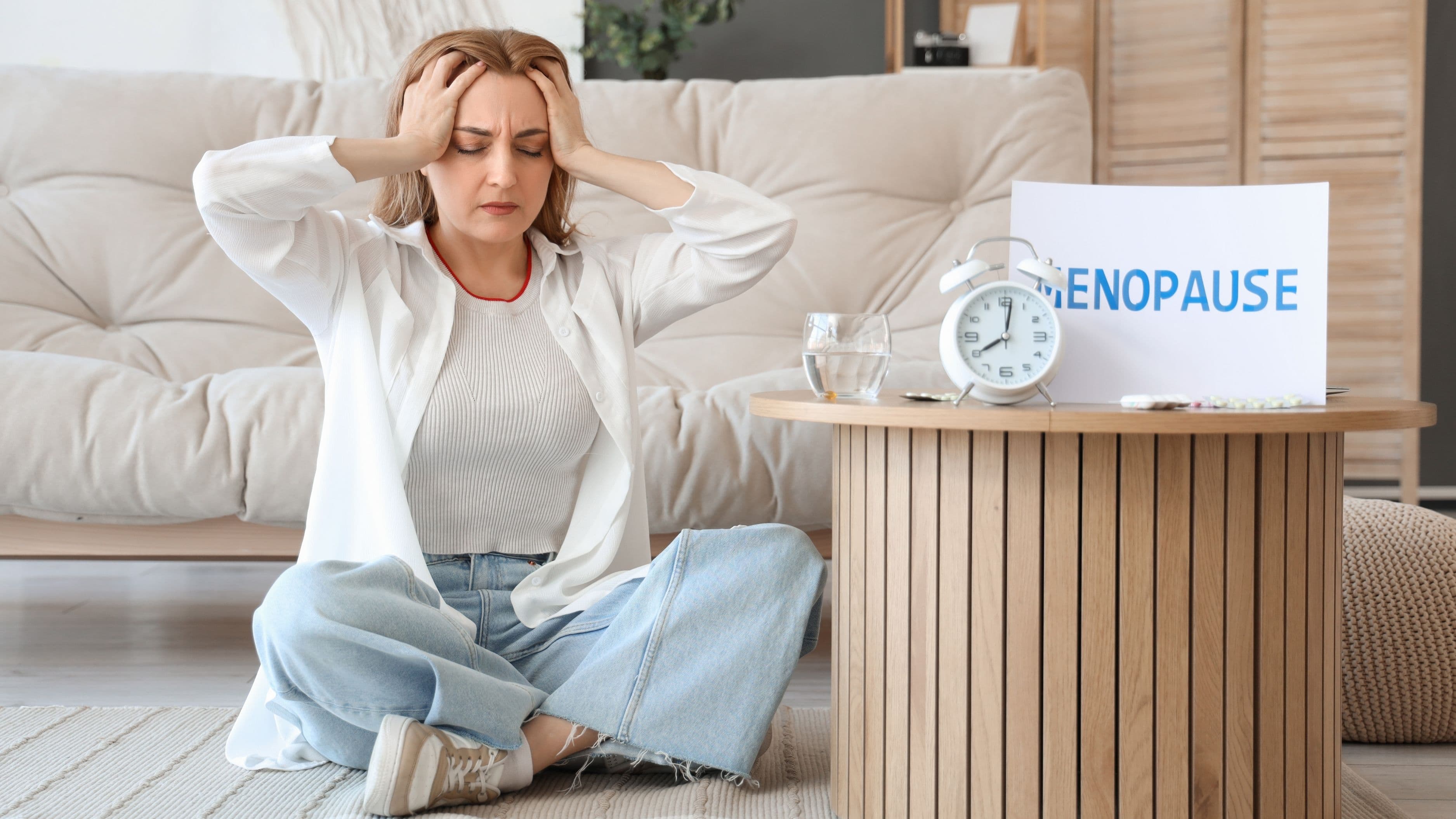
Perimenopause and menopause represent another significant transition point. As estrogen levels decline, some women notice new autoimmune symptoms emerging for the first time, while others see existing conditions shift in intensity. This connection is still an active area of research, but it reinforces why hormonal transitions deserve real attention rather than being written off as simply "part of getting older."
Living With an Autoimmune Condition: A Grounded Approach
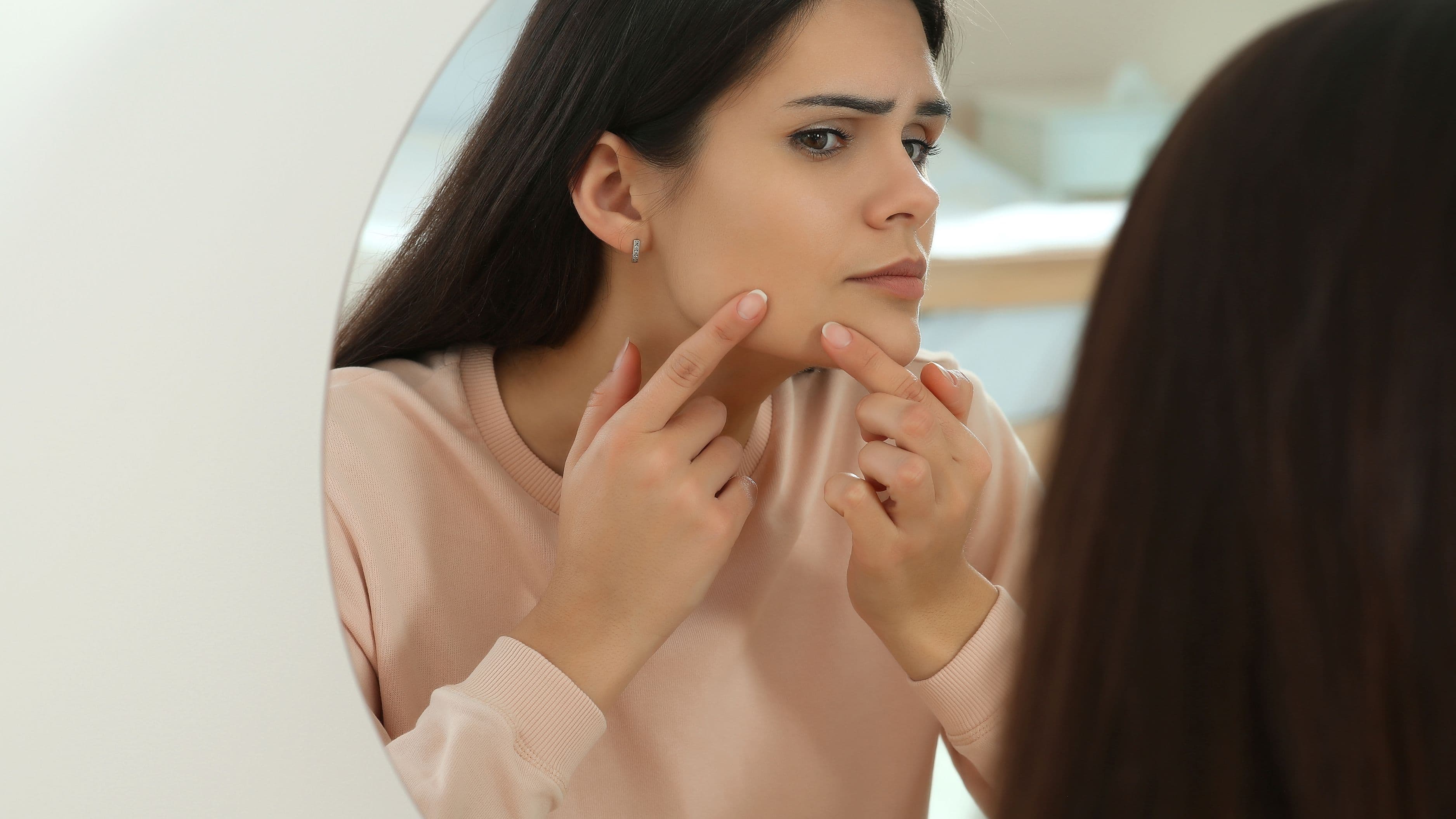
If you're navigating an autoimmune diagnosis, or suspect you might be dealing with one, the most helpful mindset is patient and practical rather than urgent and overwhelmed. Tracking symptoms over time, energy levels, joint pain, skin changes, digestive patterns, gives you and your care provider real data to work with instead of vague impressions that are easy to dismiss.
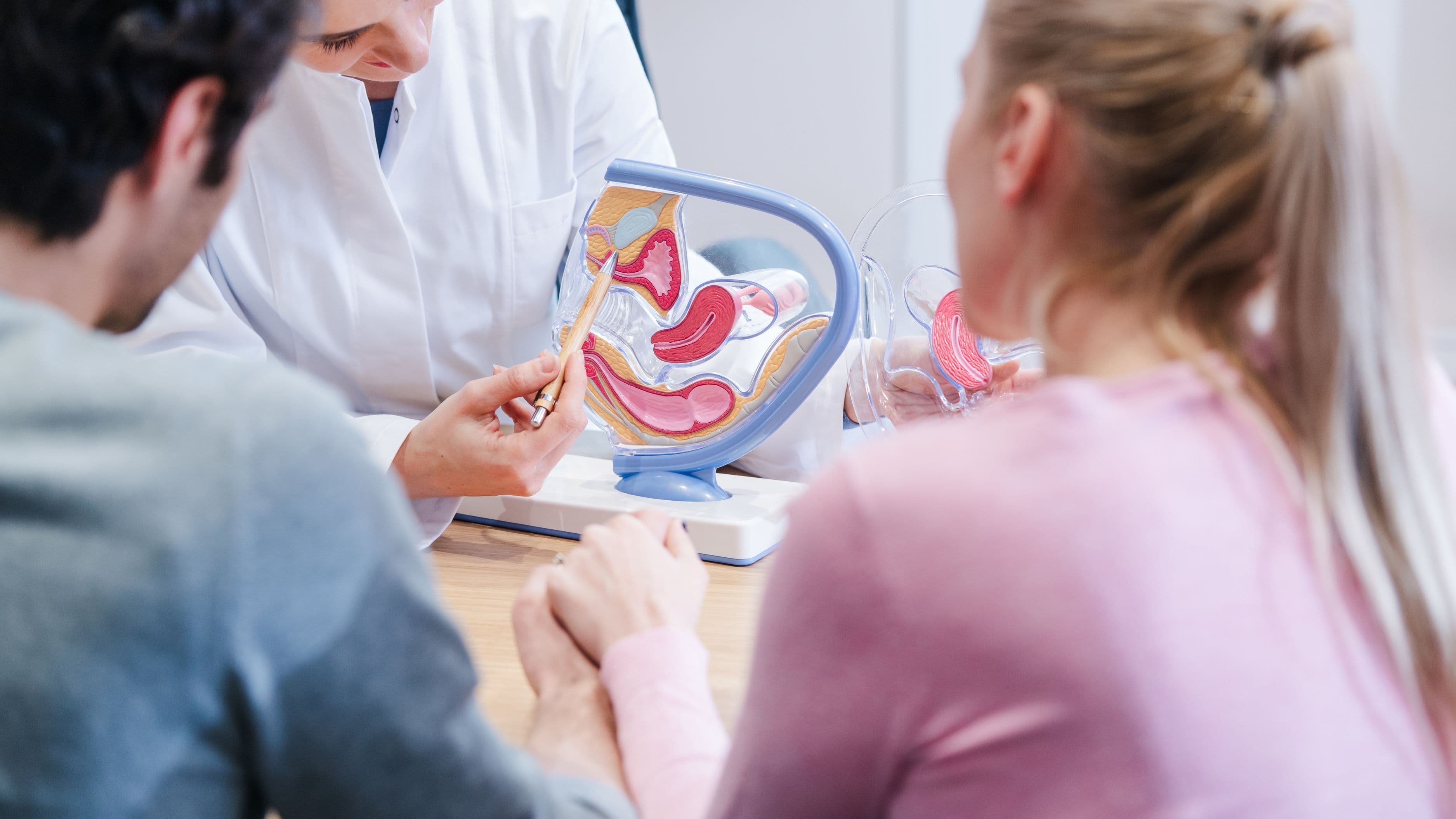
Building a relationship with a provider who takes your symptoms seriously matters more than most people realize. Autoimmune conditions can take years to diagnose accurately, and self-advocacy, bringing a symptom log, asking directly about specific conditions you suspect, requesting relevant bloodwork, often speeds up that process considerably.
Lifestyle factors like sleep quality, stress management, and anti-inflammatory nutrition patterns won't cure an autoimmune condition, but they can meaningfully affect how symptoms feel day to day. This isn't about achieving some perfect wellness routine; it's about small, sustainable adjustments that reduce the overall burden on your body.
Realistic Expectations
Autoimmune conditions are chronic in most cases, meaning the goal is usually management rather than a cure. Progress tends to look like fewer flare-ups, better symptom control, and a clearer understanding of your personal triggers over time, not a single moment where everything resolves. Give yourself permission to move at the pace this actually requires, since rushing toward answers or treatment can add stress that sometimes worsens symptoms rather than helping.
What to Avoid
Try not to dismiss persistent fatigue, joint pain, or unexplained symptom patterns as simply stress or normal aging, especially if they've lasted more than a few weeks without a clear cause. Avoid relying entirely on internet symptom-matching without professional guidance, since autoimmune conditions often share overlapping symptoms that require proper bloodwork to distinguish between. It's also worth being gentle with yourself if diagnosis takes time; many women describe years of appointments before getting clarity, and that delay reflects a genuinely complex diagnostic process rather than something you did wrong.
FAQ
Can stress cause an autoimmune condition? Stress doesn't cause autoimmune conditions directly, but it's widely recognized as a factor that can trigger flares or worsen existing symptoms in people who already have a genetic or hormonal predisposition.
Should I ask for specific autoimmune bloodwork if I suspect something is wrong? Yes. Requesting tests like ANA (antinuclear antibody), thyroid panels, or inflammatory markers is a reasonable and common way to start narrowing down a diagnosis with your provider.
Do autoimmune conditions get worse with age? It varies significantly by condition and individual. Some conditions stabilize with proper management, while hormonal transitions like menopause can shift symptom intensity in either direction.
📚 Sources
National Institutes of Health, "Autoimmune Diseases and Women's Health" – nih.gov
American Autoimmune Related Diseases Association, "Autoimmune Statistics" – aarda.org