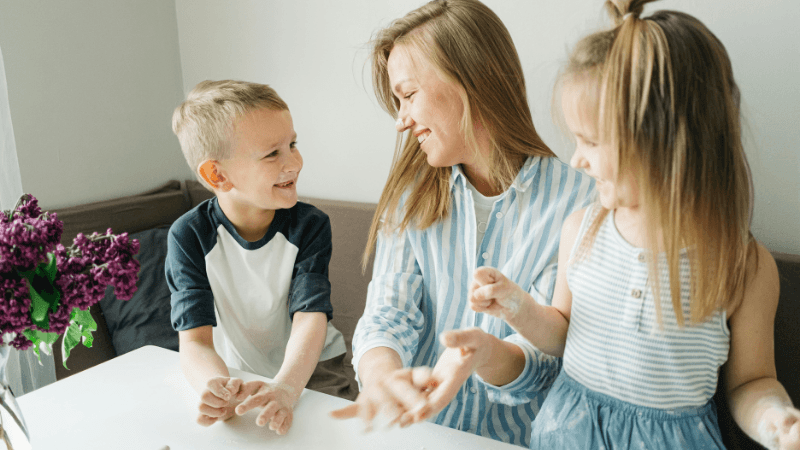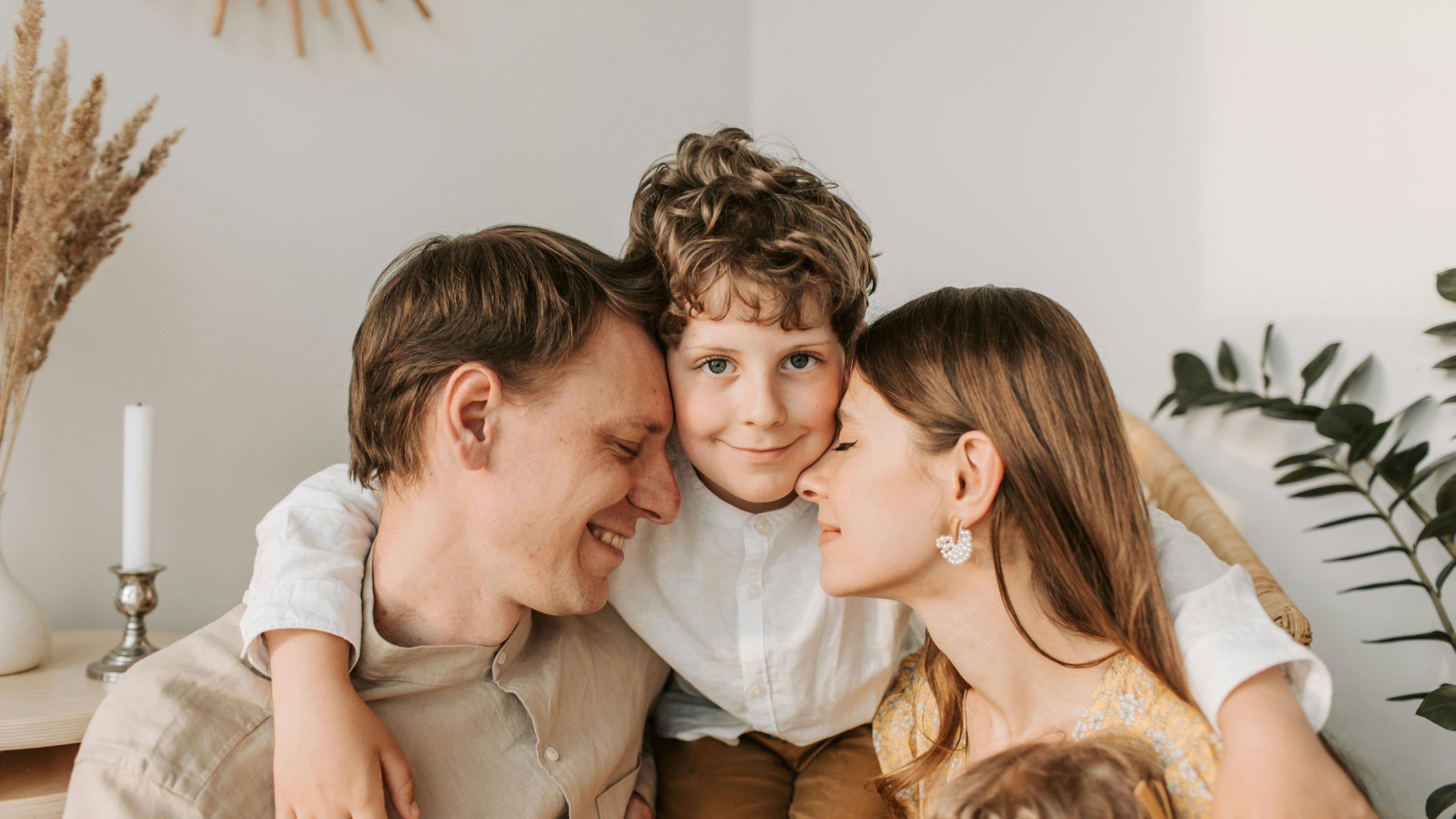
I smiled politely, shifted my baby's weight, and moved to the next aisle. But her words stuck with me, swirling around in my already-exhausted brain. Was I doing something wrong? I'd been practicing what I later learned was called "attachment parenting"—responding quickly to my baby's cries, wearing her close to my body, sharing sleep space when it felt right. It wasn't a conscious philosophy at first; it was just what my gut told me to do. But that stranger's disapproval made me question everything.
That moment sent me on a deep dive into understanding what attachment parenting actually is, where it comes from, and whether it was the right choice for my family. What I discovered changed not just how I parented, but how I thought about connection, boundaries, and trust—both with my child and with myself.
1. Attachment parenting isn't about perfection; it's about presence
When I first started researching attachment parenting, I expected to find a rigid rulebook filled with shoulds and shouldn'ts. Instead, I discovered a philosophy rooted in something much more human: the idea that children thrive when they feel securely connected to their caregivers. Dr. William Sears, the pediatrician who popularized the term in the 1980s, outlined what he called the "Baby B's"—birth bonding, breastfeeding, babywearing, bedding close to baby, believing in your baby's cries, and beware of baby trainers. These weren't commandments; they were tools for building responsiveness.
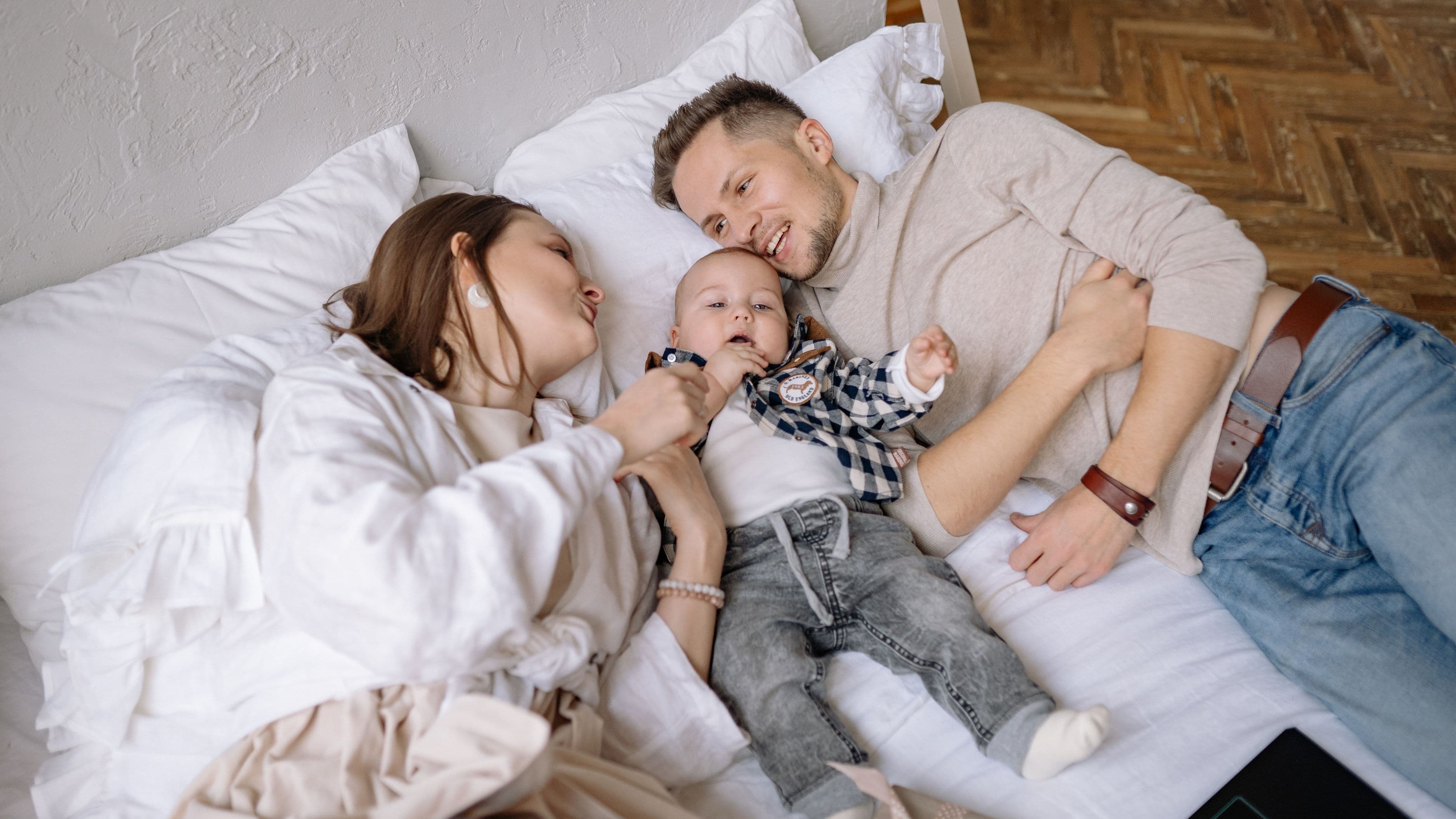
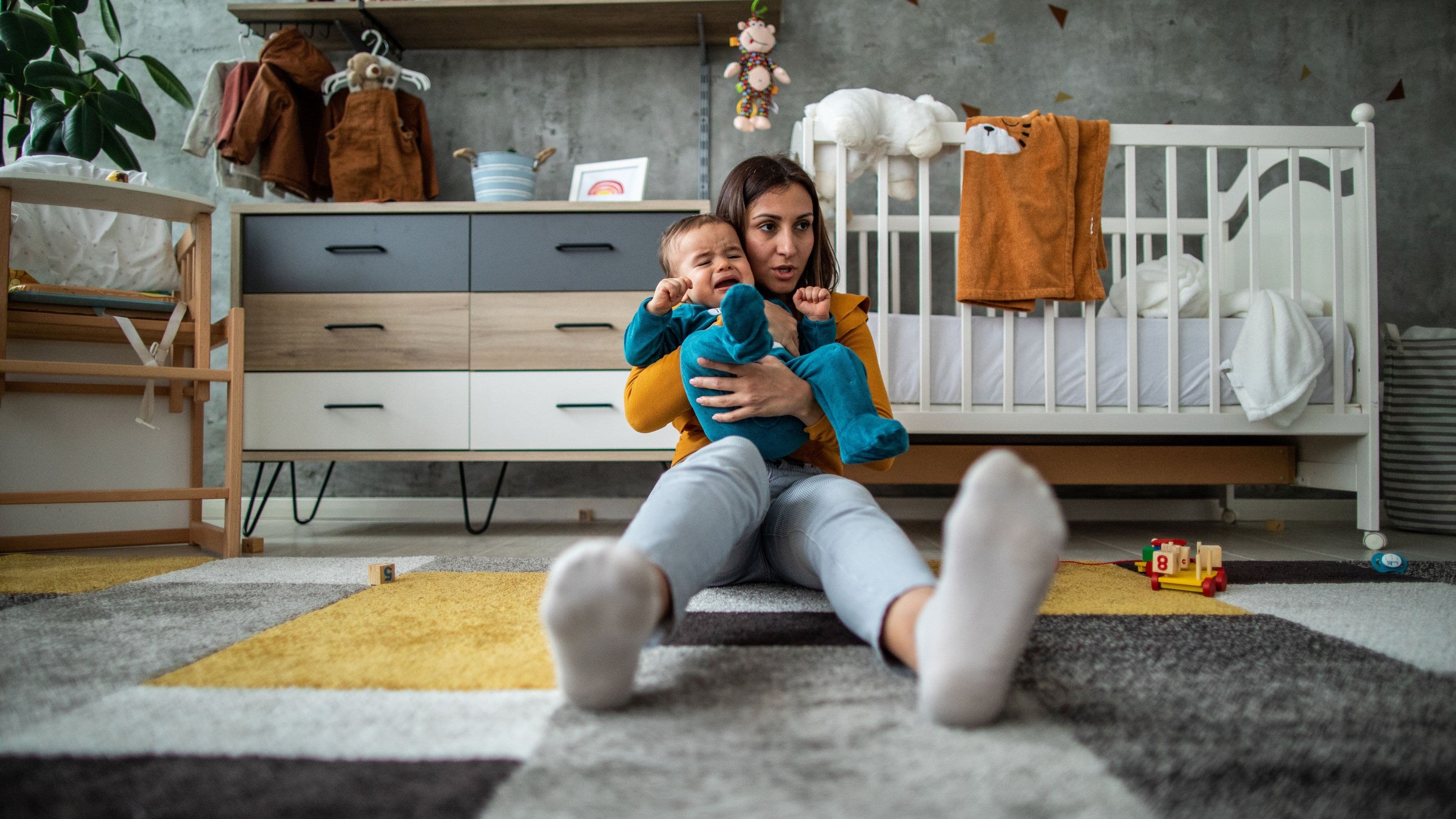
The heart of attachment parenting is attunement—learning to read your child's cues and responding with warmth and consistency. It's not about never putting your baby down or sacrificing every ounce of your own wellbeing. It's about creating a foundation of trust so secure that, paradoxically, your child eventually feels safe enough to venture out on their own. I learned that being present didn't mean being perfect. Some days I responded to every whimper within seconds. Other days I was depleted, touched-out, and needed my partner to step in while I took a shower and cried a little.
Research supports the value of this responsive approach. According to studies on attachment theory developed by psychologist John Bowlby and researcher Mary Ainsworth, children who experience consistent, sensitive caregiving in their early years tend to develop secure attachments. These securely attached children often show greater emotional regulation, stronger social skills, and more resilience in facing challenges later in life. The goal isn't to hover or prevent all distress—it's to show up reliably so your child learns the world is a safe place to explore.
2. Your childhood might be whispering in your ear
One thing nobody warned me about before becoming a parent: how intensely your own childhood would come flooding back. As I held my crying baby at 3 a.m., rocking her gently instead of leaving her to "self-soothe," I realized I was doing the opposite of what my parents had done with me. I'd grown up in the era of "cry it out" and scheduled feedings, where responding too quickly to a baby's needs was considered weakness. My parents loved me deeply, but the parenting culture of the 1980s told them that distance created independence.
Attachment parenting spoke to something wounded inside me—a desire to heal those early experiences of being left alone to figure things out. But I also had to check myself. Was I choosing this approach because it genuinely felt right, or was I overcompensating for my own unmet needs? The answer, I discovered, was both. And that was okay. Our parenting choices are always colored by our histories, but awareness gives us the power to choose consciously rather than react unconsciously.
If you're drawn to attachment parenting, take a moment to explore why. Are you seeking to replicate the warmth you received as a child? Or are you trying to give your baby something you didn't have? Neither motivation is wrong, but understanding your "why" helps you implement the philosophy in a balanced way. Attachment parenting shouldn't become another source of anxiety or a way to parent from a place of fear. When practiced mindfully, it's about creating the connection you value while still honoring your own needs and limitations.
3. The critics have a point (sort of)
Let's address the elephant in the room: attachment parenting has its critics, and some of their concerns aren't entirely baseless. The main criticisms I encountered were that it's overly demanding on mothers, potentially interferes with a child's independence, and can create unhealthy enmeshment. When I read these critiques honestly, I could see kernels of truth—especially regarding the burden often placed on mothers.
The reality is that attachment parenting, as commonly practiced, does tend to be mother-intensive. Breastfeeding, babywearing, and co-sleeping often fall primarily on the person who gave birth, while partners may feel sidelined or unsure how to participate. This can lead to burnout, resentment, and a loss of personal identity that feels anything but harmonious. I experienced this firsthand when I realized I hadn't spent more than an hour away from my daughter in six months and couldn't remember the last time I'd done something just for myself.
The key is distinguishing between the philosophy of attachment parenting and the dogmatic interpretation some communities promote. True attachment parenting doesn't require martyrdom. It doesn't demand you sacrifice your mental health, your relationship with your partner, or your sense of self. In fact, according to research published in the journal Developmental Psychology, maternal wellbeing is a significant predictor of healthy attachment. A depleted, resentful parent cannot provide the warm, attuned care that attachment parenting values. So if you're considering this approach, build in support structures, share caregiving responsibilities when possible, and give yourself permission to set boundaries that protect your own wellbeing.
4. Independence grows from connection, not separation
The stranger in Target worried my baby would never learn independence. But here's what I've learned: children don't become independent by being forced into it prematurely. They become independent by having a secure base from which to explore. Think of it like a tree with deep roots—the stronger the foundation, the farther the branches can reach.
My daughter is now six years old. She's confident, curious, and perfectly capable of entertaining herself, sleeping in her own bed, and navigating social situations without me hovering. But she didn't get there because I pushed her away; she got there because she knew I was always available when she truly needed me. When she was a toddler testing boundaries, she'd venture across the playground, then run back to me for a quick hug before heading out again. That simple pattern—explore, reconnect, explore—is how secure attachment builds competence.
Researchers have found that securely attached children actually demonstrate greater autonomy and problem-solving skills than their insecurely attached peers. A study in Child Development showed that children who experienced responsive caregiving in infancy were more likely to engage in independent play at age two and showed better self-regulation at age three. The mechanism makes sense: when you trust that support is available if needed, you're free to take risks and try new things. When you're anxious about whether help will come, you either cling desperately or shut down emotionally to protect yourself.
5. Attachment parenting looks different for everyone
One of my biggest revelations was that attachment parenting isn't an all-or-nothing proposition. You don't have to implement every single practice to embrace the underlying philosophy of responsiveness and connection. I breastfed my daughter, but some attachment parents formula-feed and still build incredible bonds. I wore my baby often, but not exclusively. We co-slept for the first year, but I have friends who practice attachment parenting with their babies sleeping safely in cribs down the hall.
The essence of attachment parenting is about the quality of your interactions, not checking items off a prescribed list. It's about noticing when your baby needs comfort and responding with warmth. It's about reading cues, building trust, and creating a relationship where your child feels seen and valued. You can absolutely embody these principles while also using a stroller, sleep training (with responsive methods), or returning to work and having your child spend time with other loving caregivers.
I've seen attachment parenting adapted beautifully across different family structures, cultures, and circumstances. Single parents, adoptive parents, same-sex couples, parents with disabilities, working parents—all have found ways to prioritize connection within their unique situations. The mistake is thinking there's only one "right" way to do it. Your version of attachment parenting might look completely different from mine, and that's not just okay—it's how it should be. The question isn't whether you're following someone else's rulebook; it's whether your child feels loved, safe, and connected to you.
6. Your nervous system matters more than the method
Here's something nobody talks about enough: your own nervous system regulation matters as much as (or more than) any parenting technique you choose. I could practice all the attachment parenting principles in the world, but if I was constantly stressed, overwhelmed, and dysregulated myself, my daughter would pick up on that energy. Children are incredibly attuned to their caregivers' emotional states. They co-regulate with us, meaning their nervous systems sync with ours.
I noticed this phenomenon vividly during a particularly difficult week when I was sleep-deprived and anxious about work deadlines. Despite doing all the "right" attachment parenting things—responding quickly, offering comfort, staying close—my daughter was fussier than usual. The moment I took a day to rest, asked for help, and regulated my own stress, she settled almost immediately. It wasn't the specific parenting practices that needed adjustment; it was my own internal state.
This realization was both humbling and liberating. It meant that sometimes the most attachment-promoting thing I could do was step away for self-care, let someone else handle bedtime, or simply take three deep breaths before responding to a tantrum. Attachment parenting isn't about perfect execution of techniques; it's about being a calm, present, regulated adult as much as possible. When you can't be (and none of us can be all the time), it's about repairing the connection afterward and modeling that imperfection is human and fixable.
7. Culture and privilege shape what's possible
As I connected with other parents exploring attachment parenting, I became increasingly aware of how privilege shapes parenting choices. The ability to breastfeed exclusively requires time, support, and often the luxury of not having to return to work immediately after birth. Babywearing costs money. Co-sleeping requires safe sleep arrangements that not all families can afford. Even the emotional bandwidth to research parenting philosophies assumes a certain level of security and freedom from survival-mode living.
This doesn't mean attachment parenting is only for the privileged, but it does mean we need to acknowledge how social structures either support or hinder parents trying to practice responsive caregiving. According to the Pew Research Center, the United States is the only developed nation without guaranteed paid parental leave, which makes the early months of responsive parenting exponentially harder for many families. Additionally, systemic issues like poverty, racism, lack of access to healthcare, and food insecurity create barriers to the kind of calm, attuned presence that attachment parenting requires.
I had to examine my own advantages—a supportive partner, maternity leave, financial stability, access to lactation support—and recognize that not everyone could make the same choices I made. This awareness shifted how I talked about attachment parenting. Instead of presenting it as the "best" way to parent (implying other approaches are inferior), I began framing it as one beautiful option among many, acknowledging that systemic change is needed to make responsive parenting accessible to everyone who desires it.
8. Boundaries are an expression of love, not a violation of attachment
Perhaps the most important lesson I learned was that boundaries and attachment are not opposites—they're partners. Early in my attachment parenting journey, I confused responsiveness with complete self-abandonment. I thought meeting my daughter's needs meant never saying no, never setting limits, never prioritizing my own needs. This led to burnout, resentment, and a relationship dynamic that wasn't healthy for either of us.
True attachment parenting includes teaching your child that other people (including you) have needs and boundaries too. It's showing them that relationships involve give and take, that love doesn't mean unlimited access to another person's body or energy, and that "no" can be delivered with warmth and empathy. When my daughter turned three and started testing every limit imaginable, I had to learn how to hold firm boundaries while staying emotionally connected. "I hear that you want to stay at the park longer, and I understand you're disappointed. It's still time to go home" became a regular refrain.
Setting boundaries actually strengthens attachment when done skillfully. It teaches children that adults are trustworthy guides who will keep them safe, even when they're upset about the limits. It models self-respect and healthy relationship dynamics. And it preserves the caregiver's wellbeing, which is essential for showing up consistently over the long haul of parenting. If you're exploring attachment parenting, remember that you can be deeply connected to your child while also maintaining a sense of yourself as a separate person with legitimate needs.
The path forward is yours to create
Attachment parenting might be right for you if you're drawn to a responsive, connection-focused approach and can adapt it to fit your family's unique needs without losing yourself in the process. It might not be right for you if it conflicts with your values, your nervous system, your circumstances, or your instincts about what your child needs. And here's the beautiful truth: you get to decide.
The stranger in Target who warned me about spoiling my baby was operating from her own set of beliefs and experiences. She meant well, but she didn't know my child, my family, or my heart. Neither do the parenting experts, the Instagram influencers, or the well-meaning relatives who offer conflicting advice. You are the expert on your own child. You're the one who knows the unique rhythm of your family's life.
As you navigate the question of whether attachment parenting fits your family, I encourage you to tune into your own wisdom. Notice what feels aligned and what feels forced. Pay attention to your child's individual temperament and needs—some babies crave closeness while others seem to need more space. Honor your own capacity and limitations. Build a support system that allows you to practice whatever approach you choose with grace rather than grinding yourself down.
Parenting is less about finding the perfect method and more about showing up with love, making repairs when you miss the mark, and trusting that your sincere efforts to connect with your child will bear fruit. Whether you embrace attachment parenting fully, borrow pieces that resonate, or choose an entirely different path, what matters most is that your choices come from a place of consciousness, compassion, and respect for both your child and yourself.
The journey of parenthood is long, winding, and utterly transformative. There's no single right way to walk it. But when you move forward with intention, openness, and a commitment to growth, you're already giving your child something precious: a parent who's willing to question, learn, and evolve. And in the end, that might be the most powerful gift of all.
📚 Sources
1. Ainsworth, M. D. S., Blehar, M. C., Waters, E., & Wall, S. (1978). Patterns of attachment: A psychological study of the strange situation. Lawrence Erlbaum Associates.
2. Sroufe, L. A., Egeland, B., Carlson, E. A., & Collins, W. A. (2005). The development of the person: The Minnesota study of risk and adaptation from birth to adulthood. Guilford Press.
3. Sears, W., & Sears, M. (2001). The Attachment Parenting Book: A Commonsense Guide to Understanding and Nurturing Your Baby. Little, Brown and Company.
4. Cassidy, J., & Shaver, P. R. (Eds.). (2016). Handbook of attachment: Theory, research, and clinical applications (3rd ed.). Guilford Press.
5. Pew Research Center. (2019). "Americans Widely Support Paid Family and Medical Leave, but Differ Over Specific Policies." Retrieved from pewresearch.org
6. NICHD Early Child Care Research Network. (1997). "The effects of infant child care on infant-mother attachment security: Results of the NICHD Study of Early Child Care." Child Development, 68(5), 860-879.
🔍 Explore Related Topics
• Secure attachment in early childhood development
• Gentle parenting techniques for toddlers
• Co-sleeping safety guidelines and benefits
• Breastfeeding and bonding alternatives
• Setting boundaries while staying connected
• Responsive parenting vs. permissive parenting
• How to practice attachment parenting while working
• Signs of secure attachment in children
• Self-care for attachment parenting mothers
• Cultural differences in attachment and caregiving