Arts education – music, visual art, drama, dance, and creative writing – supports child development in ways that go far beyond creative skill. It shapes how children think, how they relate to others, and how they understand themselves. If you've been wondering whether to prioritize arts in your child's life, or simply want to understand why it matters so much, this is for you.
It Builds Cognitive Skills in Unexpected Ways
Learning to read music, for example, develops the same neural pathways used in mathematical reasoning. Drawing from observation trains the brain to notice detail and spatial relationships. Acting in a play requires memorization, sequencing, and the ability to hold multiple pieces of information in mind at once.
What makes arts education uniquely valuable cognitively is that it asks children to engage both hemispheres of the brain simultaneously. A child learning a song has to track rhythm, melody, and lyrics at once while coordinating physical movement. That kind of multi-channel processing strengthens overall cognitive flexibility – the ability to switch between tasks, think creatively about problems, and adapt to new information. Studies from the Dana Foundation's arts and cognition research have found consistent links between sustained music training and improved reading and mathematical performance in children.
It Teaches Emotional Intelligence Before Words Can
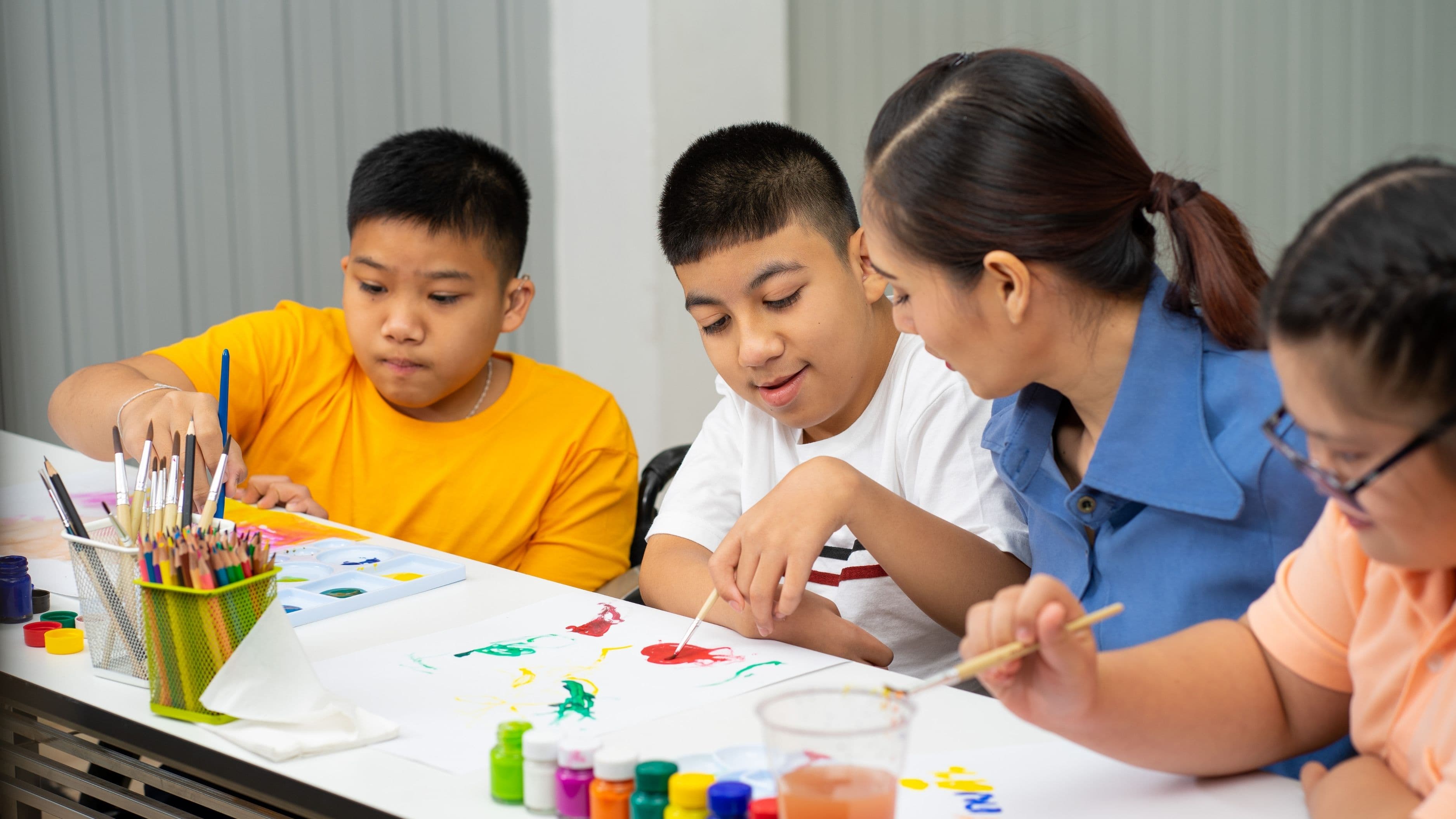
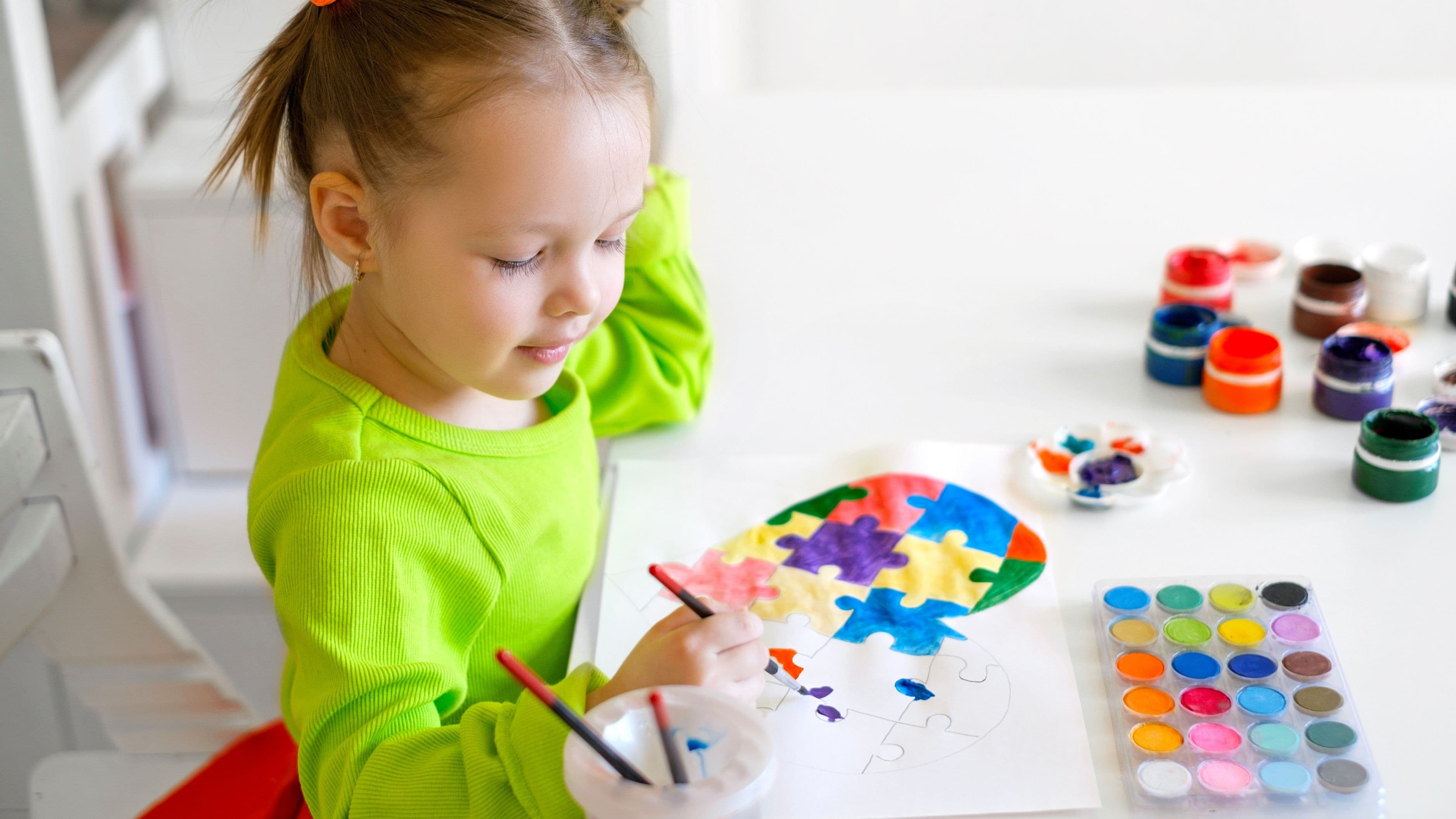
Young children often don't have the vocabulary to name what they're feeling. Art gives them another language. A six-year-old who paints with angry strokes of red or draws a picture of their family with one figure standing apart is communicating something real – and the act of doing so begins to process it.
Drama and theatre are particularly powerful here. When a child plays a character who is afraid, grieving, or joyful, they practice inhabiting emotional states that are separate from their own – which is one of the earliest foundations of empathy. They learn that other people's inner worlds are as complex and real as their own. This kind of imaginative perspective-taking has been linked in research to stronger social skills, more cooperative behavior, and greater emotional regulation in school-age children.
It Develops Resilience Through Iteration
In most academic subjects, there's a right answer. In art, there isn't – but there is better. And getting to better requires trying, noticing what isn't working, and trying again. That process, repeated across hundreds of small creative decisions, quietly builds resilience.
A child who practices a piece of music until they can play it through without stopping is learning something more fundamental than music. They're learning that effort precedes ability – that the uncomfortable gap between where you are and where you want to be is normal and navigable. This is the kind of growth mindset that research by psychologist Carol Dweck identifies as one of the strongest predictors of long-term achievement, across every field.
The arts are one of the few spaces where failure is visible, public, and built into the process. Learning to stay with that discomfort – rather than avoiding it – is a skill that transfers to every other area of a child's life.
It Supports Language and Literacy Development
This one often surprises people. But arts engagement – particularly music and storytelling – has a well-documented relationship with language development in early childhood. Music training strengthens phonological awareness, which is the ability to hear and manipulate the sounds in words. This is one of the most important precursors to reading.
Dramatic play and storytelling build narrative thinking – the ability to construct events in sequence, understand cause and effect, and give shape to experience. Children who engage regularly in creative storytelling develop richer vocabulary, longer attention spans during reading, and stronger comprehension. For children who struggle with traditional literacy approaches, arts-integrated learning often provides an entry point that more conventional methods don't.
It Creates Space for Identity and Self-Expression
Childhood is fundamentally about figuring out who you are. The arts offer a structured, safe space to explore that question. A child who discovers they love ceramics, or finds their voice in a choir, or writes stories that nobody asked them to write – that child is learning something essential about themselves.
This sense of creative identity matters more than it might seem. Research published in the journal Psychology of Aesthetics, Creativity, and the Arts has found that children with strong creative self-concepts show higher overall self-esteem, greater willingness to take intellectual risks, and more positive attitudes toward school. Art doesn't just teach kids what they can make – it teaches them something about what they're capable of, more broadly.
It Builds Social Skills Through Collaboration
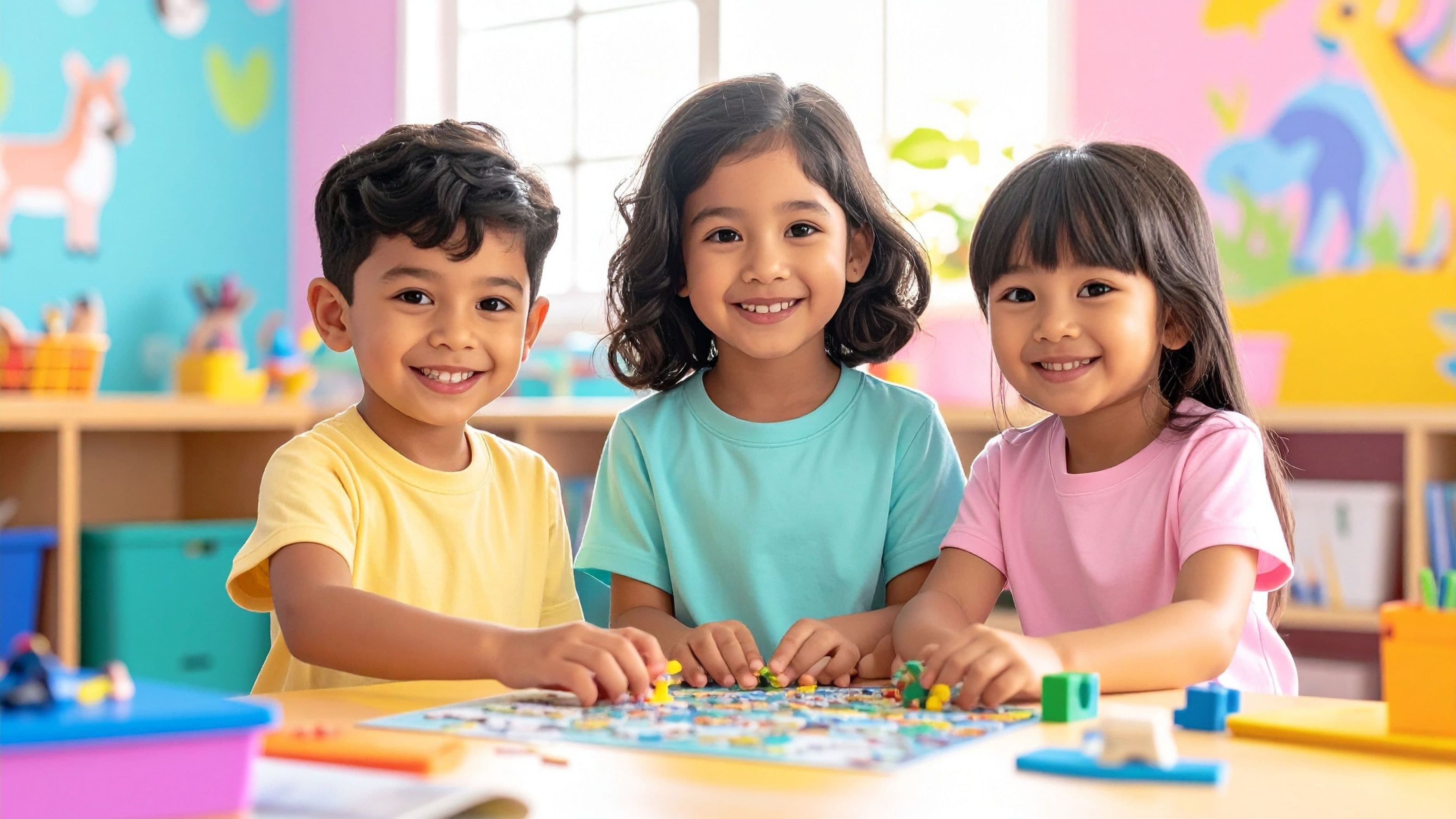
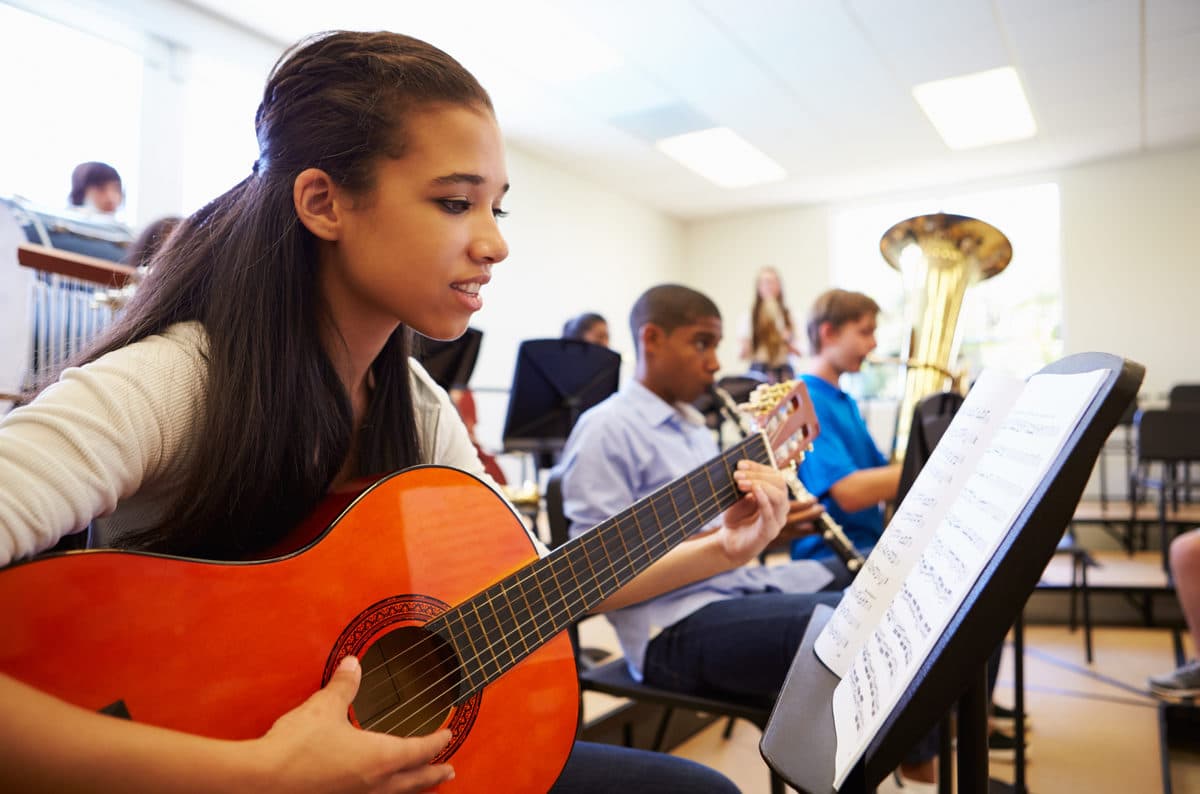
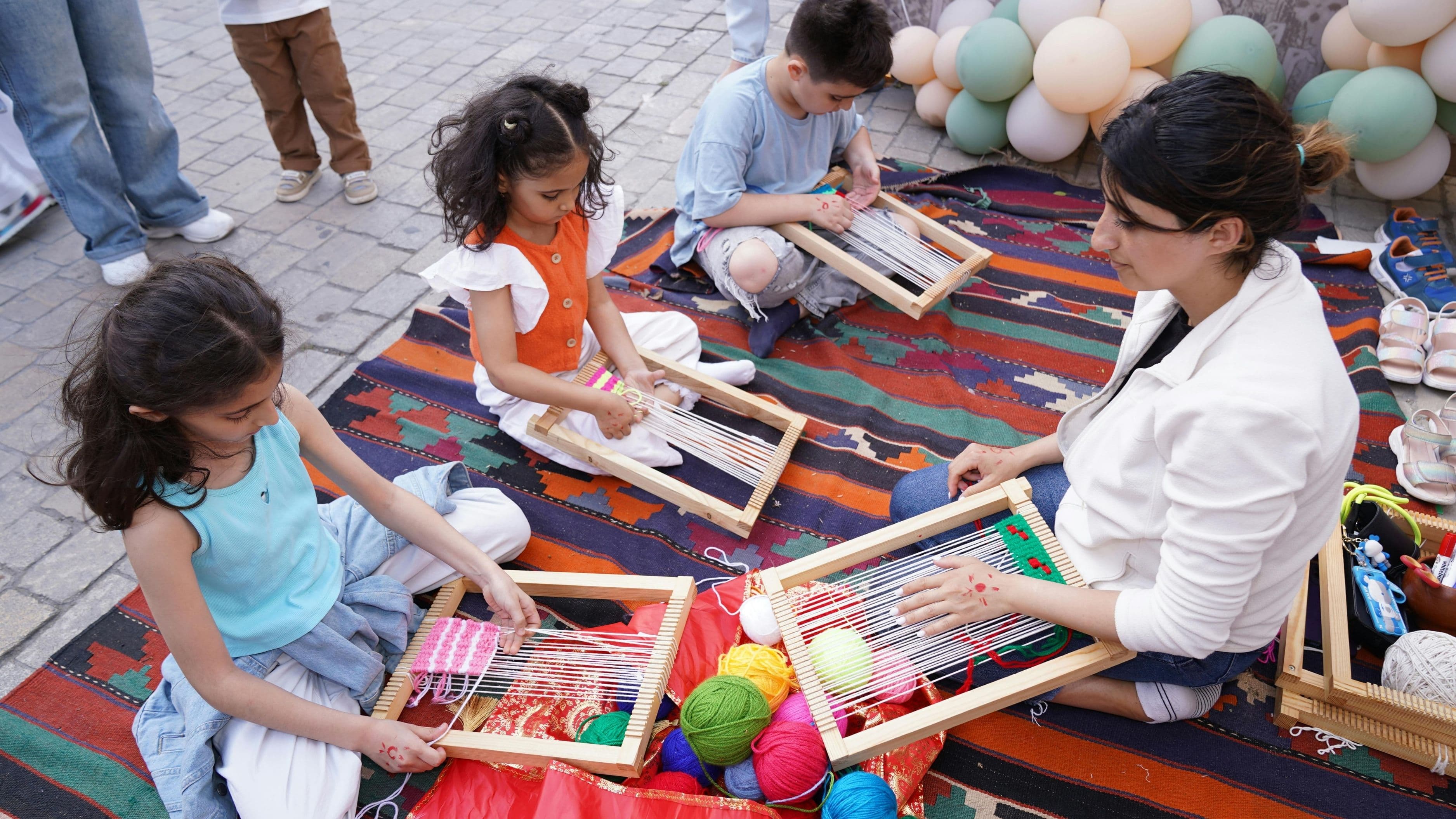
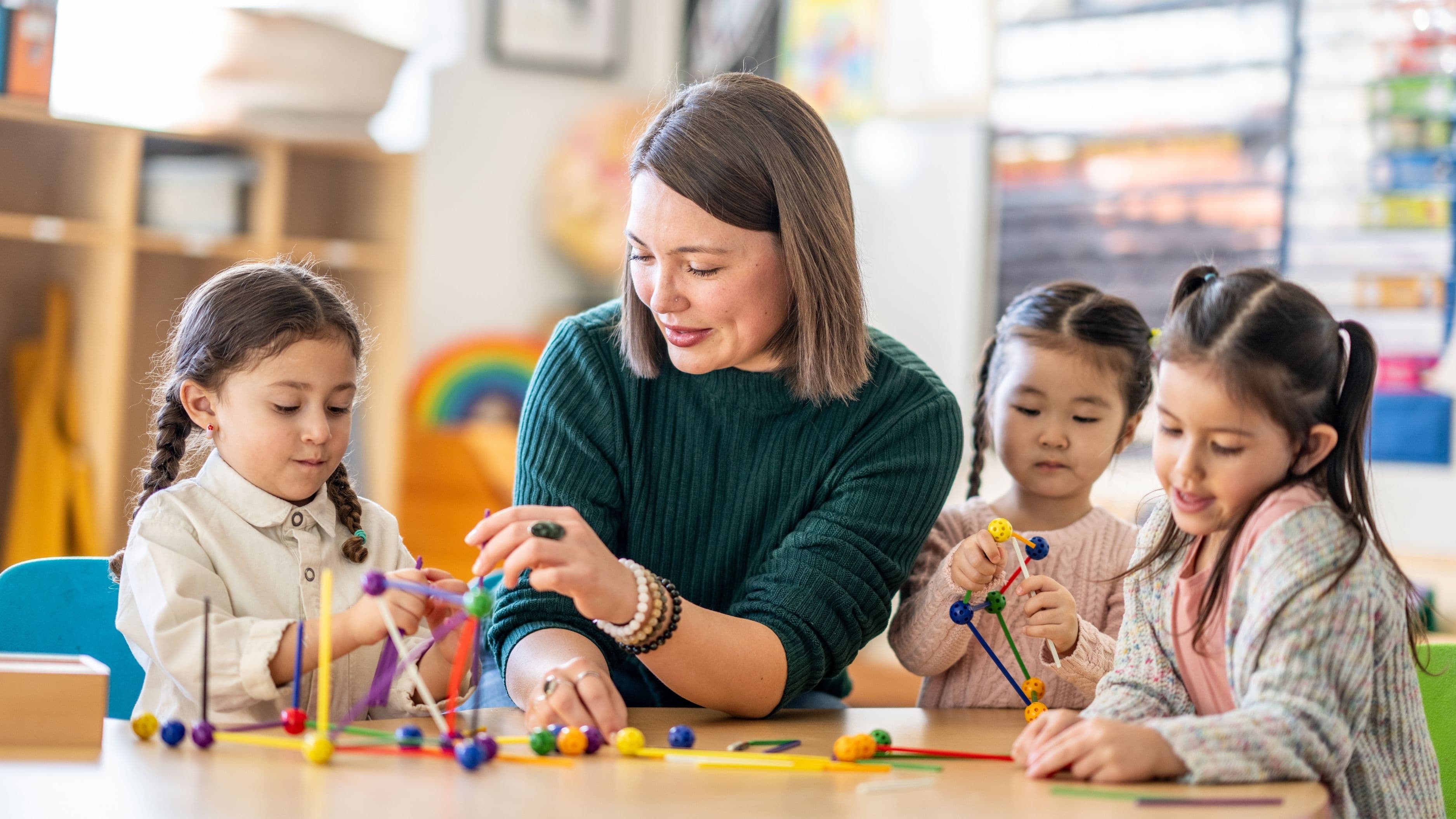
Much of arts education happens in groups. An orchestra requires every player to listen as much as they play. A theatre production needs everyone to know not just their own lines but everyone else's cues. A mural project asks children to negotiate, compromise, and build something together that none of them could have made alone.
These collaborative experiences are genuinely different from team sports or group academic projects. In the arts, the goal is shared expression rather than competition or a single correct outcome. That framing changes how children interact with each other – there's less hierarchy, more mutual contribution, and a stronger emphasis on listening and responding. Children who participate regularly in ensemble or collaborative art forms tend to develop stronger communication skills and a more intuitive sense of how to work alongside others.
What to Look for in Quality Arts Education
Not all arts programs are created equal. A good arts education isn't about producing prodigies or filling walls with perfect drawings. It's about process, experimentation, and genuine engagement. A few things worth looking for:
Process over product. Does the program value how a child worked through an idea, or only the finished result? Programs that celebrate process give children permission to experiment – which is where real learning happens.
Encouragement without empty praise. There's a difference between "I can see how hard you worked on this" and "That's the best painting I've ever seen." Specific, honest encouragement builds more authentic confidence than blanket praise.
Exposure to multiple art forms. Children often don't know what they'll connect with until they've tried several things. Programs that offer variety – visual art, music, movement, drama – give children the best chance of finding something that genuinely resonates.
A teacher who loves the form. This one is hard to quantify, but easy to feel. Children respond to genuine enthusiasm. A teacher who is truly engaged with their art form passes something beyond technique to their students.
A Gentle Note on Balance
It's worth saying clearly: arts education doesn't have to mean hours of formal lessons or expensive programs. A sketchbook and some watercolors. A playlist of music from different countries played while cooking dinner. A bedtime story where your child gets to decide what happens next. These small, consistent invitations to creative engagement add up.
If formal arts education is accessible to your child – through school, community programs, or private instruction – it's genuinely worth prioritizing alongside academics. But if it isn't, the spirit of arts education is something you can bring into everyday life without a classroom or a curriculum.
FAQ
At what age should arts education begin? There's no lower limit – even toddlers benefit from music, movement, and open-ended creative materials. Formal instruction in a specific art form (music lessons, structured drawing classes) typically works best from around age five or six, when children have developed enough focus and fine motor control. But exposure and exploration can start from infancy.
Does arts education help children who struggle academically? Often, yes. For children who find traditional academic structures difficult, arts-integrated learning frequently provides an alternative pathway to engagement and understanding. Arts education has also been linked to improved attendance, motivation, and school connectedness in children who struggle in conventional settings.
How much time in arts activities is meaningful? Consistency matters more than volume. Research suggests that even one to two hours per week of sustained arts engagement produces measurable developmental benefits over time. Daily five-minute creative moments – drawing, singing, free play – also accumulate meaningfully.
Should I push my child to continue if they want to quit? This one requires nuance. There's a difference between the normal frustration of hitting a learning plateau (which often precedes a breakthrough) and genuine disengagement. If your child is experiencing the former, gentle encouragement to continue is usually worthwhile. If they've truly lost interest after a fair trial period, letting them explore something new respects their developing self-knowledge – which is itself an important part of development.
What if my child shows no interest in traditional art forms? Creative expression takes many forms – cooking, building, gardening, coding, and even how someone organizes their room can be deeply creative acts. If traditional arts don't resonate, look for where your child naturally makes, builds, or expresses. That's where their creative intelligence lives.
A Final Thought
The arts aren't a luxury add-on to a child's development. They're one of the oldest, most human ways we have of making sense of the world and our place in it. When we give children access to art – in whatever form resonates with them – we're giving them tools for thinking, feeling, connecting, and becoming that they'll carry long after the specific skills fade.
That's not a small thing. It might, in fact, be one of the most meaningful gifts within reach.
📚 Sources
Dana Foundation – Learning, Arts, and the Brain (Neuroeducation report): https://www.dana.org/report/learning-arts-and-the-brain/
American Psychological Association – Arts Education and Child Development: https://www.apa.org/news/press/releases/2019/08/arts-child-development
National Endowment for the Arts – The Arts and Achievement in At-Risk Youth: https://www.arts.gov/sites/default/files/Arts-At-Risk-Youth.pdf
Psychology of Aesthetics, Creativity, and the Arts – Creative self-concept and wellbeing in children: https://psycnet.apa.org/journal/aca
Carol Dweck – Mindset: The New Psychology of Success (via Stanford University): https://mindsetonline.com
Kennedy Center – The Benefits of Arts Education: https://www.kennedy-center.org/education/resources-for-educators/classroom-resources/articles-and-how-tos/articles/educators/the-benefits-of-arts-education/
Edutopia – Arts Integration and Academic Achievement: https://www.edutopia.org/arts-integration-introduction