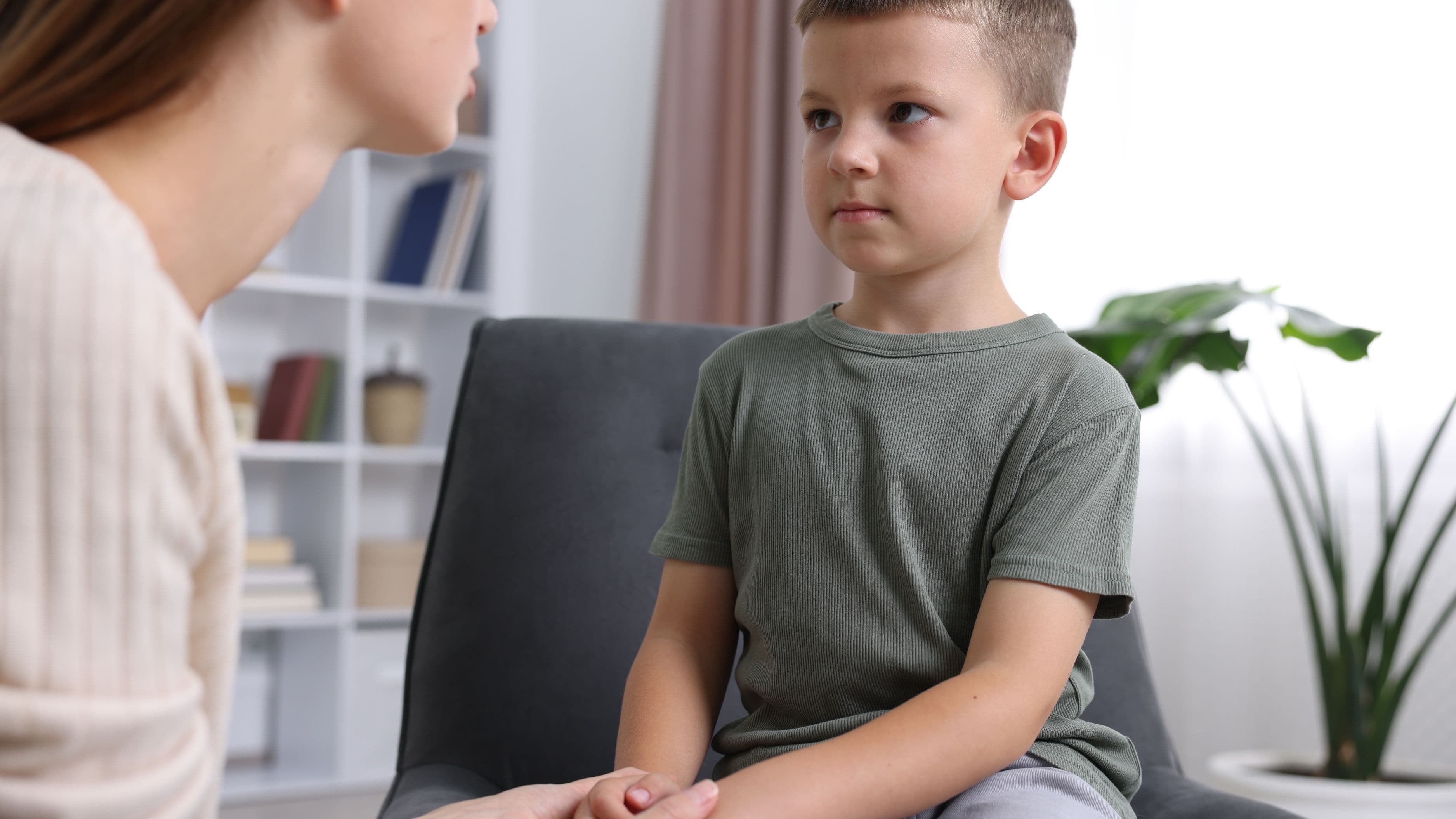
What matters most isn't that the moment happened – it's what you do after. Apologizing to your child, genuinely and without deflection, is one of the most powerful things you can do for your relationship with them. It models accountability, shows them that love doesn't require perfection, and quietly teaches them how to repair relationships in their own life for years to come.
Why Apologizing to Your Child Matters More Than You Think
Many adults grew up in homes where parents didn't apologize. Authority was seen as incompatible with vulnerability, and admitting fault was read as weakness. If that's the environment you came from, apologizing to your child might feel uncomfortable or even counterintuitive. It might bring up the quiet fear that saying sorry undermines your role.
The opposite is actually true. Research in child development consistently shows that children who experience genuine repair after conflict develop stronger emotional security, better self-esteem, and more trust in the people around them. When a parent apologizes, the child learns something essential: that rupture in a relationship doesn't mean the relationship is over, and that love includes being honest when you've caused harm. That lesson stays with them in ways that are difficult to overstate.
Apologizing also keeps the lines of communication open. When children see that their parent can acknowledge mistakes, they're far more likely to come to that parent when they themselves make mistakes – or when something is wrong. An apology now is an investment in the kind of relationship where your child actually talks to you later.
Step 1: Pause Before You Approach
Before you say anything, give yourself a moment to get clear. A rushed or emotionally reactive apology can sometimes land harder than the original incident. If you're still frustrated, still defending yourself internally, or still feeling justified in what happened, your child will feel that – even if the words sound right.
Take a few minutes to settle. Step outside, breathe, or simply sit quietly. Ask yourself honestly: what did I do, and how might it have felt to my child? This isn't about spiraling into guilt. It's about arriving with enough calm and clarity that your apology is genuine rather than performative.
If the incident happened earlier in the day and the moment has passed, don't wait too long. Children process time differently depending on their age, and a very young child may not connect an apology given hours later to the incident it refers to. For older children and teenagers, waiting a day is usually fine – but indefinite delay tends to feel like avoidance.
Step 2: Choose the Right Moment
Timing and setting matter. Avoid apologizing in the middle of another conflict, when your child is already distressed about something else, or when either of you is exhausted and unable to really be present. Look for a quiet, low-pressure moment – after dinner, during a car ride, or before bed when things have naturally settled.
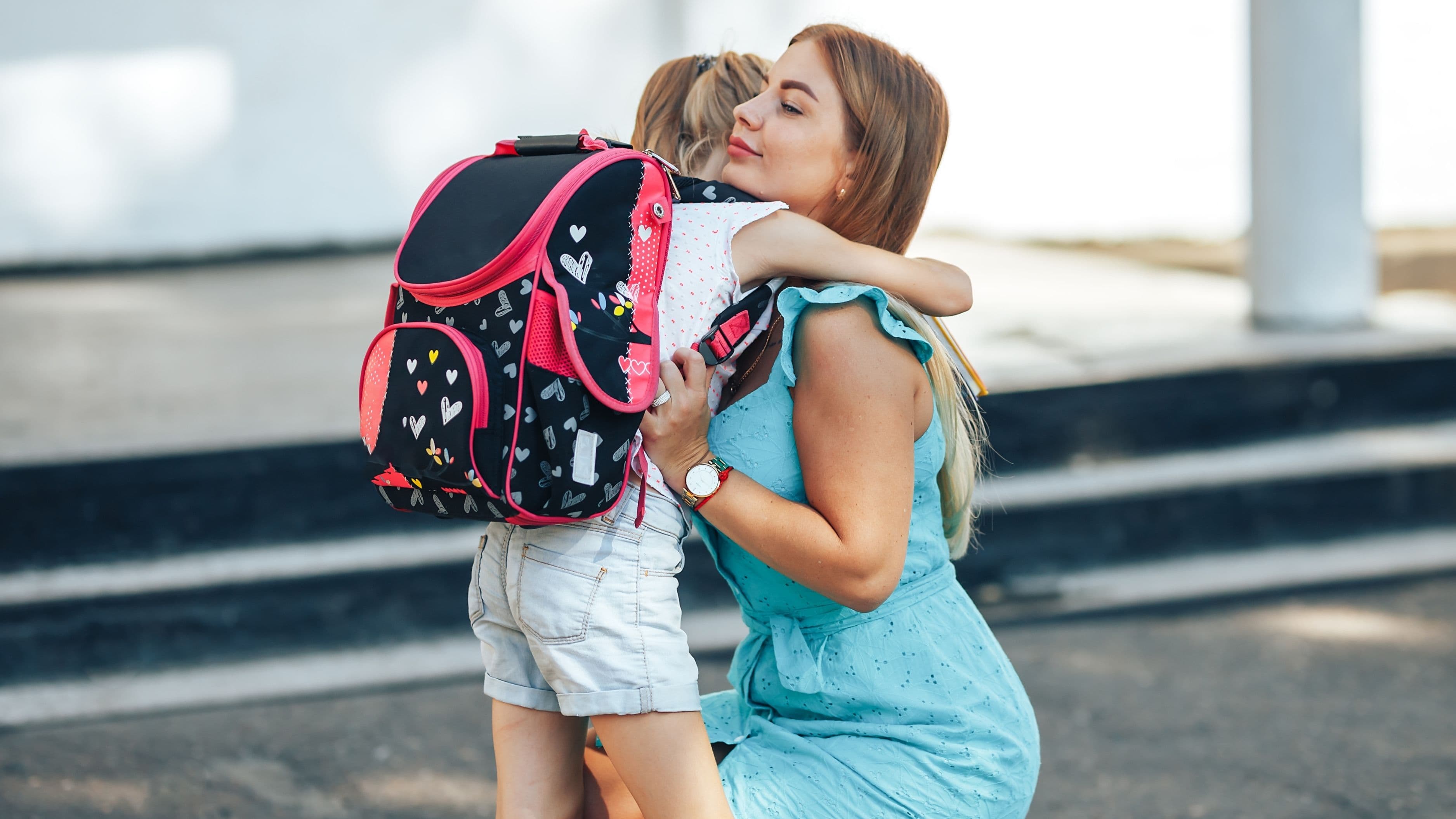
For younger children, getting down to their physical level helps enormously. Sitting on the floor, kneeling, or pulling them onto your lap changes the dynamic. It signals that you're fully there and that this moment belongs to both of you equally, not to you as the authority figure addressing a situation.
For older children and teenagers, a side-by-side setting can feel safer than direct face-to-face contact – walking together, sitting in the car, or cooking something together creates a softer container for a difficult conversation. Many teens open up more easily when there's a shared activity and they don't feel put on the spot.
Step 3: Keep the Apology Simple and Direct
The most effective apologies are specific and clear, without excessive padding. You don't need to deliver a speech. What your child needs to hear is that you understand what happened, that you take responsibility for your part in it, and that you care about how they felt.
A simple structure that works well: name what you did, acknowledge how it likely felt, and say you're sorry without conditions attached.
For example: "I lost my temper earlier and I yelled at you. That wasn't okay, and I imagine it felt scary and unfair. I'm sorry." That's enough. It's specific, it's honest, and it doesn't bury the apology inside a long explanation of why it happened.
What to leave out: qualifications that shift responsibility back to the child ("I'm sorry, but you were really pushing my buttons"), explanations that center your feelings over theirs ("I've been so stressed lately"), or requests for immediate forgiveness ("Do you forgive me?"). Forgiveness is theirs to offer in their own time. Don't make your apology something they now have to manage for you.
Step 4: Make Space for Their Response
After you apologize, stop talking and let your child respond – or not respond, if that's what they need. Some children will immediately soften and move toward you. Others, especially older ones, may need time to process before they're ready to engage. Both responses are valid.
If your child is quiet or seems guarded, resist the urge to fill the silence or push for a reaction. Simply let them know that you're not in a hurry and that they can talk when they're ready. Saying something like "You don't have to say anything right now. I just wanted you to know" can actually be more connecting than pressing for an immediate response.
If your child does express how they felt – whether that's sadness, anger, or confusion – listen without defending yourself. This is the part where the real repair happens. Your ability to stay open and non-reactive while they tell you how your actions affected them is what transforms an apology into genuine reconnection.
Step 5: Follow Through With Changed Behavior
An apology without change is eventually just noise. Children are perceptive. They notice whether things shift after a repair conversation or whether the same pattern keeps repeating. You don't need to be perfect going forward – but you do need to be trying visibly.
Think about what the situation actually revealed. If you lost your temper because you were overwhelmed, consider what would help you manage that better – whether that's building in more rest, asking for help, or having a signal with your child that means "I need a minute before we talk about this." If you broke a promise because of poor planning, think about how you can be more careful about what you commit to.
When your child sees that something genuinely changed – even incrementally – after you said sorry, the apology retroactively gains weight. They understand that it was real.
Common Mistakes to Avoid
One of the most common pitfalls is apologizing and then immediately pivoting back into parenting mode – "I'm sorry I yelled, but we still need to talk about what you did." This collapses the apology before it has a chance to land. If there is a separate conversation needed about your child's behavior, have it at a genuinely different time. Keep the apology its own complete thing.
Another trap is over-apologizing to the point where your child ends up comforting you. This happens when a parent's guilt runs so deep that the emotional weight of the apology shifts from the child's experience back onto the parent's distress. A brief, genuine apology serves your child. An extended guilt spiral serves neither of you.
Some parents also apologize too quickly, in a way that feels more like damage control than genuine reflection. If the apology happens within seconds of the incident and you're clearly still activated, your child will sense that the words don't quite match your energy. It's better to wait a few minutes and arrive with genuine steadiness than to rush through the words while still tense.
Realistic Expectations
Not every apology will immediately restore warmth. Sometimes your child needs a few hours, or even a day, before they're ready to let the moment go. That's not rejection – it's their own process of integrating what happened. Respect it.
Repairing a relationship is rarely a single event. It's a pattern of showing up, acknowledging when you've gotten it wrong, and continuing to try. Over time, those accumulated moments of repair build something durable – a relationship where your child knows that rupture isn't the end, that they're worth apologizing to, and that you're someone who takes them seriously.
That's not a small thing. In the long arc of parenting, it might be one of the most important things you offer.
FAQ
What if my child doesn't accept my apology? That's their right, and it's worth respecting without pressure. Let them know the door is open when they're ready, and give them space. Pushing for forgiveness or reassurance immediately can make the apology feel more about your comfort than theirs.
Should I apologize even for small things? Yes, proportionately. You don't need to make a formal moment out of every minor misstep – a simple "I'm sorry I snapped at you" in passing is enough for smaller incidents. Reserving long apology conversations for more significant moments keeps them meaningful.
What if I'm not sure my child understood what I was apologizing for? It's okay to ask gently afterward – "Did that make sense to you?" or "Do you understand what I mean?" – without making the conversation feel like a test. For very young children, keep the language simple and concrete.
Is it ever too late to apologize for something that happened a long time ago? Rarely. Older children and teenagers often carry hurt from incidents that were never acknowledged. A belated, honest apology – even for something that happened months or years ago – can release a surprising amount of unspoken tension in a relationship.
How do I apologize to a very young child who may not fully understand? Use simple, direct language and focus on the feeling more than the explanation. "I'm sorry I scared you. I love you" is more than enough for a toddler. Your tone and physical warmth will communicate more than the words themselves.
A Final Thought
Apologizing to your child doesn't diminish your authority. It deepens it. It says: I see you, I take you seriously, and this relationship matters enough to me to be honest when I get it wrong. Children who receive genuine apologies from their parents don't lose respect for them. They gain trust in them – and that trust is the foundation everything else rests on.
📚 Sources
Siegel, D. & Bryson, T.P. – The Whole-Brain Child (Delacorte Press, 2011): https://www.drdansiegel.com/book/the-whole-brain-child/
American Psychological Association – Parenting and Child Development: The Importance of Repair: https://www.apa.org/topics/parenting
Zero to Three – How Young Children Understand Apologies: https://www.zerotothree.org/resource/helping-young-children-learn-about-feelings/
Gottman, J. – Raising an Emotionally Intelligent Child (Simon & Schuster, 1997): https://www.gottman.com/blog/the-importance-of-emotion-coaching/
Greater Good Science Center, UC Berkeley – How to Apologize Meaningfully: https://greatergood.berkeley.edu/article/item/how_to_apologize_meaningfully
Psychology Today – When Parents Apologize to Their Children: https://www.psychologytoday.com/us/blog/guilt-shame-and-apology/201407/parental-apologies