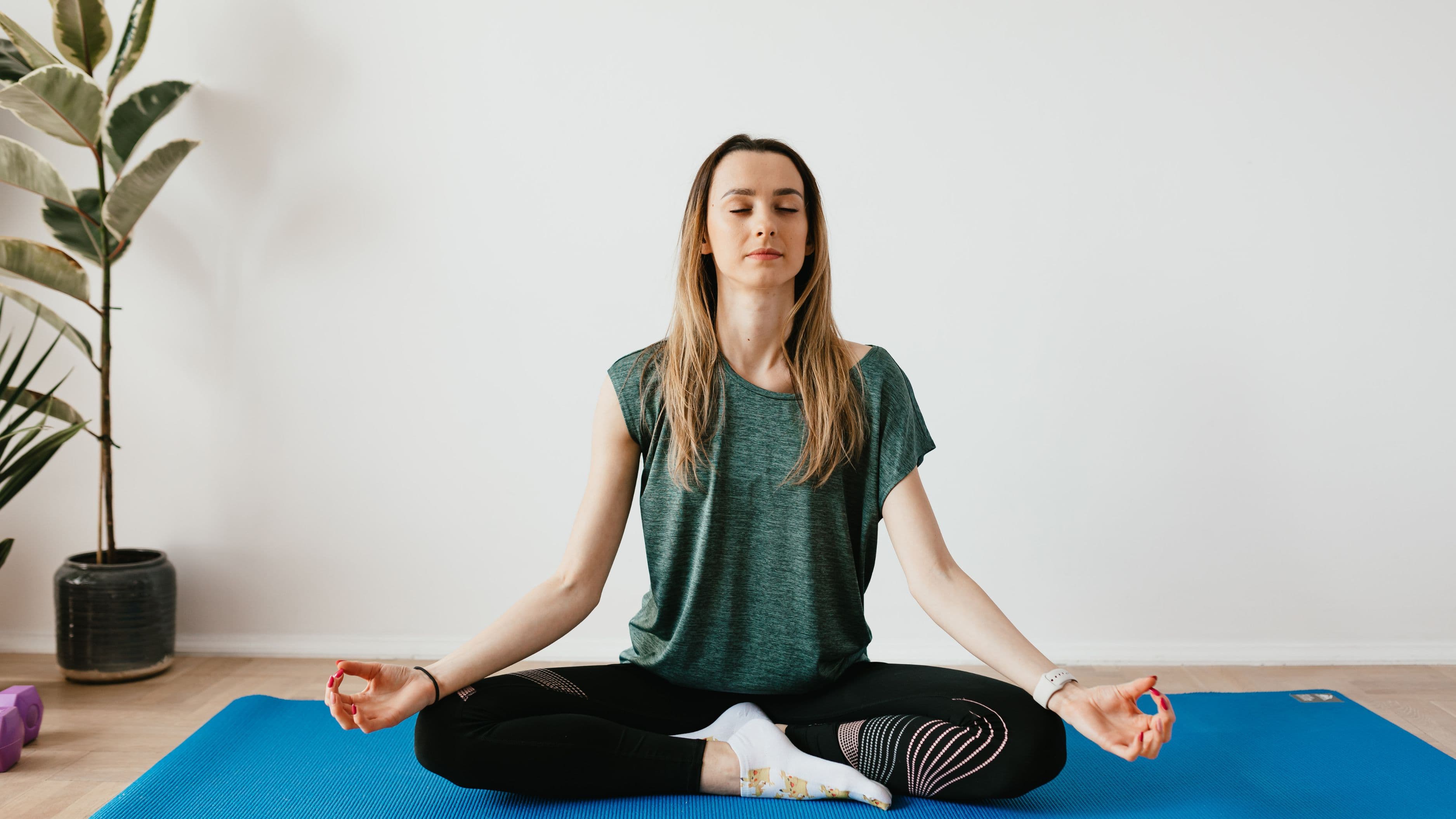
The good news is that staying active in winter doesn't require willpower like some kind of superpower. It requires a different approach. Smaller habits, gentler expectations, and a bit of strategy go a long way when the season itself is working against you.
Why Winter Makes Movement Harder (And Why That's Normal)
Before jumping into solutions, it helps to understand why your motivation drops in the first place. Shorter daylight hours reduce your exposure to sunlight, which affects serotonin levels – the brain chemical closely tied to mood and energy. Combine that with colder temperatures that make leaving the house feel physically unpleasant, and your body is genuinely receiving signals to slow down.
This isn't laziness. Research from the American Psychological Association notes that reduced light exposure in winter affects the brain in measurable ways, contributing to low energy, low mood, and decreased motivation for physical activity. Understanding this makes it easier to approach the problem with compassion rather than self-criticism – which, as it turns out, is actually one of the most effective places to start.
Step 1: Lower the Bar on Purpose
The biggest mistake people make in winter is holding themselves to their summer standard. If you were running five times a week in July, you might assume that anything less means you're failing. That thinking is what leads to giving up entirely.
Instead, decide intentionally to scale down. A 15-minute walk counts. Stretching for 10 minutes in your living room counts. A short YouTube yoga session before bed counts. When you lower the bar deliberately, you make it far more likely that you'll actually clear it – and clearing it builds the momentum to do a little more over time. Progress over perfection isn't just a nice phrase; it's genuinely how sustainable movement works.
Step 2: Attach Movement to Something You Already Do
One of the most effective ways to stay consistent in winter is to link physical activity to an existing habit. This is sometimes called "habit stacking," and it works because you're not creating new willpower – you're borrowing from a routine that already runs on autopilot.
Some practical examples: do a few minutes of stretching right after you make your morning coffee, take a short walk after lunch before returning to your desk, or do a bodyweight circuit after your evening shower. The activity itself doesn't need to be intense – what matters is that it happens regularly and feels connected to something your day already includes. Over a few weeks, the movement starts to feel as natural as the habit it's attached to.
Step 3: Make Your Environment Work for You
If your workout gear is buried in a drawer, your mat is rolled up in a closet, and your shoes are in another room, you're giving yourself too many exit ramps. In winter, comfort and friction are everything – and small environmental changes can make a real difference.
Leave your yoga mat unrolled in a spot you walk past. Keep a light pair of dumbbells visible. Set out your walking shoes the night before. If you prefer working out to music or a podcast, have a playlist ready so there's no delay. When the environment is prepared, starting feels less like a decision and more like just… the next thing that happens.
Step 4: Embrace Indoor Movement Without Guilt
There's a certain cultural pressure to be outdoors and active in ways that look impressive. Winter is the perfect season to let go of that. Indoor movement is real movement, and it has the added benefit of being warm, accessible, and entirely on your terms.
Dance around your kitchen while cooking. Follow a 20-minute strength video. Try a slow Pilates session or a gentle yin yoga class from your living room floor. Apps like Down Dog, Nike Training Club, and YouTube channels dedicated to home workouts offer an enormous variety of options that require no equipment and very little space. The goal is simply to get your body moving regularly – not to meet an aesthetic standard or post it anywhere.
Step 5: Use Natural Light Strategically
Even a small amount of natural light during winter can make a meaningful difference to your energy and motivation. If you can get outside during daylight hours – even just for 10 or 15 minutes around midday – your brain receives a signal that helps regulate your circadian rhythm and lift your mood.
You don't need to exercise during this time. A slow walk around the block, sitting on a bench with a coffee, or even standing outside for a few minutes while you answer messages can be enough. If outdoor light is genuinely limited where you live, a light therapy lamp used in the morning can provide a similar benefit. Small, consistent light exposure adds up over weeks in ways you'll likely notice.
Step 6: Find a Low-Pressure Accountability Structure
Accountability doesn't have to mean a fitness tracker logging your every step or a gym buddy waiting on you at 6am. In winter, gentler forms of accountability tend to work better because they don't feel punishing when life gets in the way.
A simple text check-in with a friend, a shared note where you each log three-word updates ("did a walk," "stretched tonight"), or even a personal habit tracker app can provide just enough external loop-closing to keep you going. The point isn't performance – it's the small, ongoing sense that you're showing up for yourself. That feeling compounds quietly over weeks, and by spring you'll notice you kept moving all along.
Common Mistakes to Avoid
It's easy to fall into patterns that feel productive but actually make it harder to stay active through winter. A few worth watching for:
Waiting to "feel motivated" before moving. Motivation rarely arrives on its own in winter – it tends to follow action, not precede it. Start small and let the feeling catch up.
All-or-nothing thinking. Missing a day, a week, or even two weeks doesn't mean your routine is broken. It just means you paused. You can start again without penalty.
Comparing your winter self to your summer self. Your body's rhythms are seasonal. Expecting identical output across all seasons is like expecting the same yield from a garden in January as in July.
Making it too complicated. The simpler the movement habit, the easier it is to maintain. One small thing done consistently beats a complex routine done sporadically.
Realistic Expectations for Winter Movement
Staying active in winter is less about intensity and more about consistency. If you can move your body in some intentional way three to five times per week – even gently – you're maintaining something important. You're preserving the habit, keeping your energy from bottoming out, and giving your nervous system regular doses of the mood-supporting chemistry that movement produces.
You don't need to come out of winter fitter than you went in. You just need to come out of it still in the habit of moving.
FAQ
How often should I exercise in winter to stay healthy? Most health guidelines suggest at least 150 minutes of moderate activity per week – but in winter, even half of that consistently is better than nothing. Focus on frequency over duration when motivation is low.
Is it okay to take a break from exercise in winter? Short breaks are normal and sometimes necessary. The risk is when a few rest days turn into weeks of complete inactivity. A light, low-pressure routine helps prevent that drift without overwhelming you.
What's the best indoor exercise for low motivation? Walking in place, gentle yoga, stretching, and bodyweight circuits are all effective and require no equipment. Choose whatever feels most approachable – the best exercise is the one you'll actually do.
Can diet affect winter exercise motivation? Yes. Heavier, less nutritious food and reduced hydration in winter can worsen fatigue. Staying reasonably well-nourished and hydrated supports the energy needed to move your body.
Does cold weather affect how hard I should exercise? If you're going outside, give your body a longer warm-up period in cold weather to reduce injury risk. For indoor workouts, normal warm-up guidelines apply.
Winter asks you to slow down, but it doesn't ask you to stop entirely. Finding the small, sustainable version of movement that works for this season – and releasing yourself from the pressure of any other version – is one of the kindest things you can do for your body and mind right now. Show up gently, and it adds up more than you'd expect.
📚 Sources
American Psychological Association – Seasonal mood changes and light exposure: https://www.apa.org/topics/seasonal-affective-disorder
Mayo Clinic – Exercise and stress: Get moving to manage stress: https://www.mayoclinic.org/healthy-lifestyle/stress-management/in-depth/exercise-and-stress/art-20044469
Harvard Health Publishing – The importance of exercise when you don't feel like it: https://www.health.harvard.edu/staying-healthy/the-importance-of-exercise-when-you-dont-feel-like-it
NHS – Exercise in cold weather: https://www.nhs.uk/live-well/exercise/exercise-guidelines/why-we-should-sit-less/
Sleep Foundation – How light affects your sleep and mood: https://www.sleepfoundation.org/circadian-rhythm/light-and-sleep
Psychology Today – Habit stacking: How to build new habits: https://www.psychologytoday.com/us/basics/habits