The good news is that you don't have to figure it all out alone. There's a genuinely impressive range of online resources built specifically for homeschooling families — free tools, structured curricula, community spaces, and learning platforms that can simplify your days considerably. The key is knowing which ones are actually worth your time.
This guide walks through the best online resources for homeschooling parents, organized by what they actually help you do — so you can pick what fits your family and let go of the rest.
1. Khan Academy – Free, Complete, and Self-Paced
Khan Academy is one of the most widely used educational platforms in the homeschooling community, and for good reason. It covers math, science, reading, history, computing, economics, and more — from early elementary through high school and even college prep — all completely free. Every lesson is broken into short, digestible videos followed by practice exercises that adapt to your child's level, which makes it particularly well-suited for self-directed learners.
What makes Khan Academy especially valuable for homeschooling parents is the parent dashboard. You can set up a student account, assign specific skills or lessons, and track progress over time without sitting next to your child for every session. It becomes a reliable independent learning tool rather than something you have to orchestrate every day. If your child hits a concept they're struggling with, Khan Academy will keep presenting it in different ways until it clicks — that kind of patience is hard to replicate in any other format.
Best for: Core academics, math progression, test prep, and filling in gaps without needing a structured curriculum.
2. Ambleside Online – A Gentle Classical Approach
If you're drawn to a more literary, nature-based approach to education, Ambleside Online offers a complete Charlotte Mason homeschool curriculum — completely free. Charlotte Mason was a 19th-century British educator who believed children learn best through living books (real literature rather than textbooks), nature study, narration, and short focused lessons. Ambleside Online has translated that philosophy into a detailed, year-by-year curriculum with book lists, schedules, and guidance for every grade level.
It's a more involved resource than a plug-and-play platform — you'll be sourcing books, reading aloud, and narrating together rather than handing your child a tablet. But for parents who want a rich, humane education rooted in great literature and real-world observation, it's one of the most thoughtfully constructed free curricula available. The community forums are also active and welcoming, which helps when you're navigating the approach for the first time.
Best for: Parents who want a literature-rich, philosophy-driven curriculum and are willing to be actively involved in the learning process.
3. Easy Peasy All-in-One Homeschool
Easy Peasy is a free, complete online homeschool curriculum that was designed specifically for independent learners. Each day's lessons are laid out clearly on the website — your child simply opens the correct grade level and day, follows the instructions, and works through the material. It covers all core subjects from preschool through high school, pulling from free online resources, videos, and activities.
For parents who feel stretched thin or who are homeschooling multiple children at different levels, Easy Peasy is a lifesaver. The heavy lifting of planning is already done — you're not sourcing materials, building lesson plans, or tracking down worksheets. Your child can work independently while you focus on another child, your own work, or simply take a breath. It has a gentle Christian worldview woven throughout, which is something to be aware of and evaluate for your own family's fit.
Best for: Families looking for a fully structured, low-prep daily curriculum that children can largely work through on their own.
4. Outschool – Live Classes With Real Teachers
Outschool is an online marketplace for live, small-group classes taught by independent educators — covering everything from traditional academic subjects to robotics, creative writing, foreign languages, cooking, and philosophy. Classes are held via video and typically run 30–60 minutes, with group sizes small enough that your child actually gets interaction and feedback rather than just watching a screen.
What makes Outschool particularly valuable is the combination of structure and variety. If your child loves science but you don't feel confident teaching it, you can enroll them in a weekly biology class with a specialist. If they're passionate about drawing, creative writing, or even Minecraft design, there are classes for that too — taught by people who genuinely care about those subjects. Classes are paid (prices vary widely by instructor), but there are financial assistance options available, and many parents use Outschool selectively for subjects where outside expertise makes a real difference.
Best for: Adding live instruction, social interaction, and specialist subjects to your homeschool without hiring a tutor.
5. Homeschool.com – Community and Curriculum Hub
Homeschool.com is one of the longest-running homeschooling resource hubs on the internet, offering curriculum reviews, articles, forums, resource directories, and a searchable database of educational tools. It's less of a curriculum and more of a compass — a place to orient yourself when you're feeling overwhelmed by options, trying to evaluate a new curriculum, or looking for resources in a specific subject area.
The community aspect is where Homeschool.com tends to shine. Reading other parents' real-world experiences with different curricula is often more useful than any official description. When you're trying to decide whether a particular math program will work for a child who struggles with abstract concepts, a parent's honest review is worth more than marketing copy. The site also hosts a homeschool convention directory and a curriculum fair calendar if you want in-person connection with other homeschooling families.
Best for: Research, curriculum comparison, community support, and staying connected to the broader homeschooling world.
6. Starfall – Gentle, Engaging Early Literacy
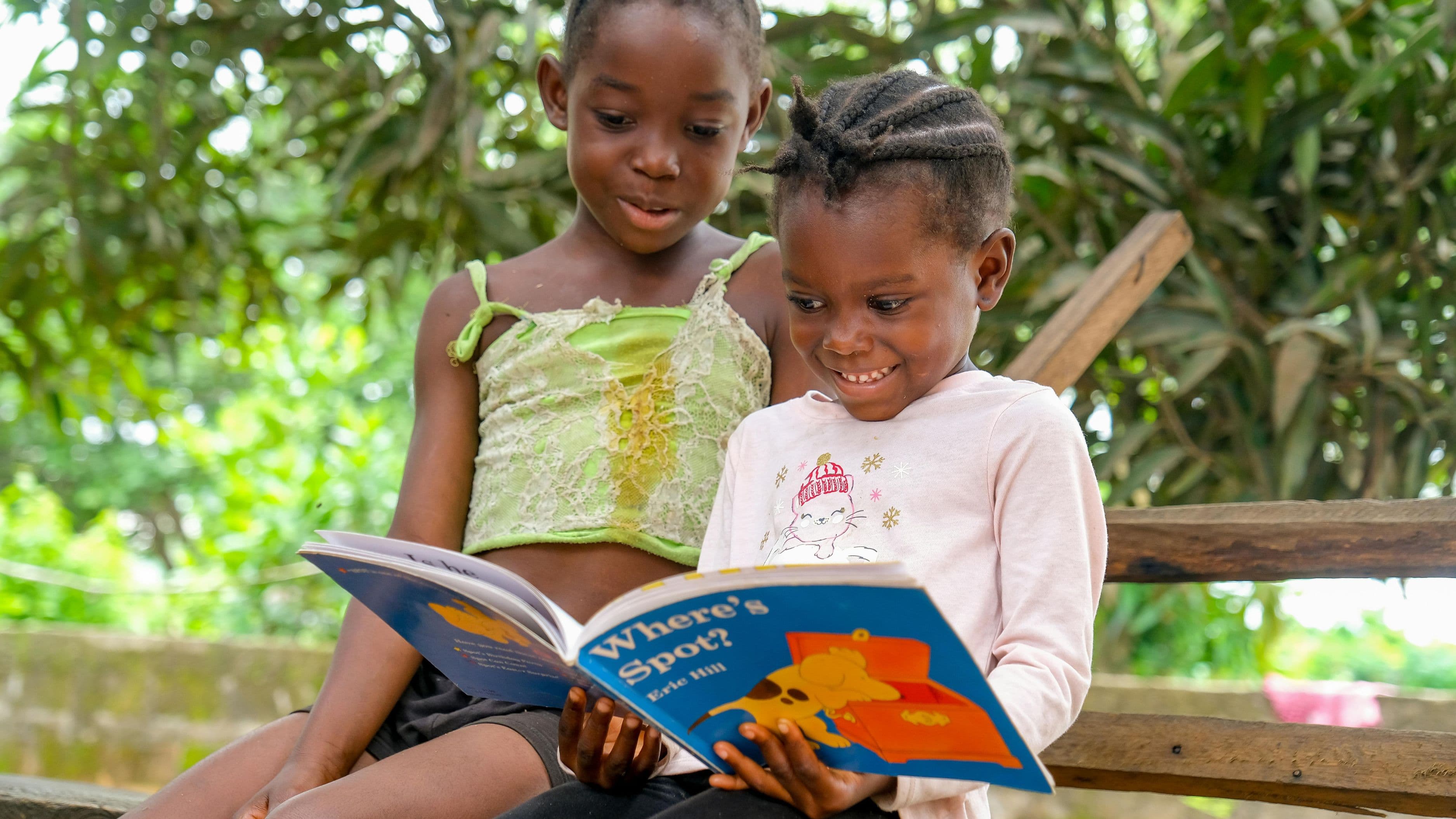
For younger children — typically preschool through second grade — Starfall is one of the warmest and most effective online early literacy resources available. It focuses on phonics-based reading instruction through interactive games, songs, animated stories, and simple books. The free version is genuinely useful; a subscription unlocks additional content but isn't required to get real value from the platform.
What distinguishes Starfall from the many phonics apps on the market is its gentleness. It doesn't rush, it doesn't overwhelm, and it celebrates small wins in a way that keeps young learners motivated rather than frustrated. For a child who is learning to read, that patient pacing matters enormously. It works well as a complement to whatever reading curriculum you're using, especially on days when sitting for a structured lesson feels like too much for a little one.
Best for: Preschool through early elementary reading instruction, especially for children who respond well to visual and auditory learning.
7. Scholastic Learn at Home
Scholastic — the well-known children's book publisher — offers a free Learn at Home program with day-by-day projects, printable resources, and read-aloud videos organized by age group (Pre-K through Grade 6). The activities are project-based and cross-curricular, meaning a single activity might involve reading, writing, science observation, and creative expression all woven together — which mirrors how children naturally learn when they're engaged.
The resource is particularly well-suited for parents who want to bring more creativity and project-based learning into their homeschool without spending hours designing their own activities. Scholastic's editorial team has done the curation work for you, pulling together quality content that actually holds children's attention. It's a wonderful supplement to a more structured curriculum on days when you want learning to feel lighter and more playful.
Best for: Project-based learning, creative enrichment, and read-aloud activities for elementary-aged children.
8. Time4Learning – Structured Online Curriculum
Time4Learning is a subscription-based online curriculum platform (starting around $30/month) that covers preschool through 12th grade across all core subjects. It's more structured and sequenced than most free resources — lessons build on each other deliberately, and the platform tracks progress and generates reports that can serve as records for homeschool portfolios or legal documentation requirements.
For parents who feel less confident in their ability to structure the academic progression themselves, Time4Learning offers real peace of mind. You know the material is sequenced correctly, you can see what your child has completed, and the reports make annual reviews or re-enrollment decisions much simpler. It's also useful for families transitioning into homeschooling from traditional school — the familiar structure of subjects, lessons, and assessments can ease the adjustment for both parent and child.
Best for: Families who want a complete, accountable curriculum with progress tracking and printable reports, especially in middle and high school.
9. YouTube Educational Channels – Surprisingly Powerful
YouTube deserves a dedicated mention as a homeschooling resource because it's genuinely underestimated. Channels like CrashCourse, SciShow Kids, TED-Ed, National Geographic Kids, and Numberphile cover academic content with a quality and depth that rivals formal curricula — all free. A well-chosen YouTube video can explain a historical event, a scientific concept, or a mathematical idea in a way that sparks genuine curiosity in a way that a worksheet simply cannot.
The key is intentional use. YouTube works best as a launching pad for deeper exploration rather than a passive watching experience. Watch a CrashCourse history episode together, then discuss what stood out, look something up, draw a map, or write a short narration about it. Used that way, YouTube becomes a real educational tool rather than just screen time. Setting up a dedicated homeschool playlist for each subject keeps things organized and removes the temptation of falling down unrelated rabbit holes.
Best for: Visual learners, supplementing any subject with engaging video content, and sparking curiosity-driven learning.
10. HSLDA (Home School Legal Defense Association) – Know Your Rights
Homeschooling laws vary significantly from state to state — and in some cases, from country to country. The Home School Legal Defense Association (HSLDA) is the most comprehensive resource for understanding your legal rights and obligations as a homeschooling parent in the US. Their website includes a state-by-state legal guide, filing and notification requirements, record-keeping guidance, and information on what homeschool evaluations or portfolios may be required where you live.
This isn't the most exciting resource on the list, but it may be the most important one to visit before you do anything else. Knowing what your state actually requires — whether that's annual testing, portfolio reviews, notifying your school district, or nothing at all — protects you and gives you confidence in how you structure your homeschool. HSLDA also offers membership-based legal support if you ever face a compliance challenge or inquiry.
Best for: Every homeschooling parent in the US — knowing your legal requirements is foundational, not optional.
A Gentle Reminder Before You Dive In
It's tempting to bookmark all ten of these and try to use them all at once. Resist that impulse. Choosing two or three resources that genuinely fit your child's learning style and your family's rhythm will serve you far better than a patchwork of ten platforms you cycle through without depth. Start with what addresses your biggest current need — legal clarity, a core curriculum, or a specific subject your child is struggling with — and let the rest wait until you've found your footing.
Homeschooling doesn't have to look like a replication of traditional school. The beauty of it is that you get to build something that actually fits your child, your values, and your life. These resources are here to support that — not to add more pressure to an already full plate.
FAQ
Do I need to pay for a homeschool curriculum? Not necessarily. Khan Academy, Easy Peasy, Ambleside Online, and Starfall are all genuinely complete and free. Paid options like Time4Learning or Outschool classes offer additional structure, live instruction, or accountability — but plenty of families homeschool successfully with free resources alone.
How do I know if I'm covering everything my child needs? Start by reviewing your state's homeschool requirements through HSLDA's state guide. Beyond legal minimums, resources like Time4Learning or Khan Academy offer scope and sequence guides that show what skills are typically taught at each grade level — useful as a reference even if you're using a different curriculum.
What if my child resists homeschooling at first? That's common, especially when transitioning from traditional school. Give it time — often weeks, not days — and focus first on rebuilding a positive relationship with learning rather than rushing to replicate a school schedule. Lighter, interest-led resources like YouTube channels or Outschool classes can help reignite curiosity before you layer in more structured work.
Can I use multiple resources for different subjects? Absolutely — and most homeschooling families do. You might use Khan Academy for math, Ambleside Online for history and literature, and a science kit for hands-on experiments. Mixing resources to find what works best for each subject and each child is one of homeschooling's greatest strengths.
The right resources make homeschooling feel less like a mountain to climb and more like a path you're building together — one good day at a time. Trust the process, stay curious alongside your child, and remember that the goal isn't a perfect school-at-home. It's a life rich with learning.
📚 Sources
Khan Academy – About Our Mission: https://www.khanacademy.org/about
Ambleside Online – Free Charlotte Mason Curriculum: https://www.amblesideonline.org/curriculum.shtml
Easy Peasy All-in-One Homeschool – About: https://allinonehomeschool.com/about/
Outschool – About the Platform: https://outschool.com/about
Starfall – About Starfall Education: https://www.starfall.com/h/about.php
Scholastic Learn at Home – Overview: https://www.scholastic.com/parents/school-success/learn-at-home.html
Time4Learning – How It Works: https://www.time4learning.com/how-it-works/
HSLDA – Homeschooling in Your State: https://hslda.org/legal
CrashCourse – YouTube Channel Overview: https://www.youtube.com/@crashcourse/about