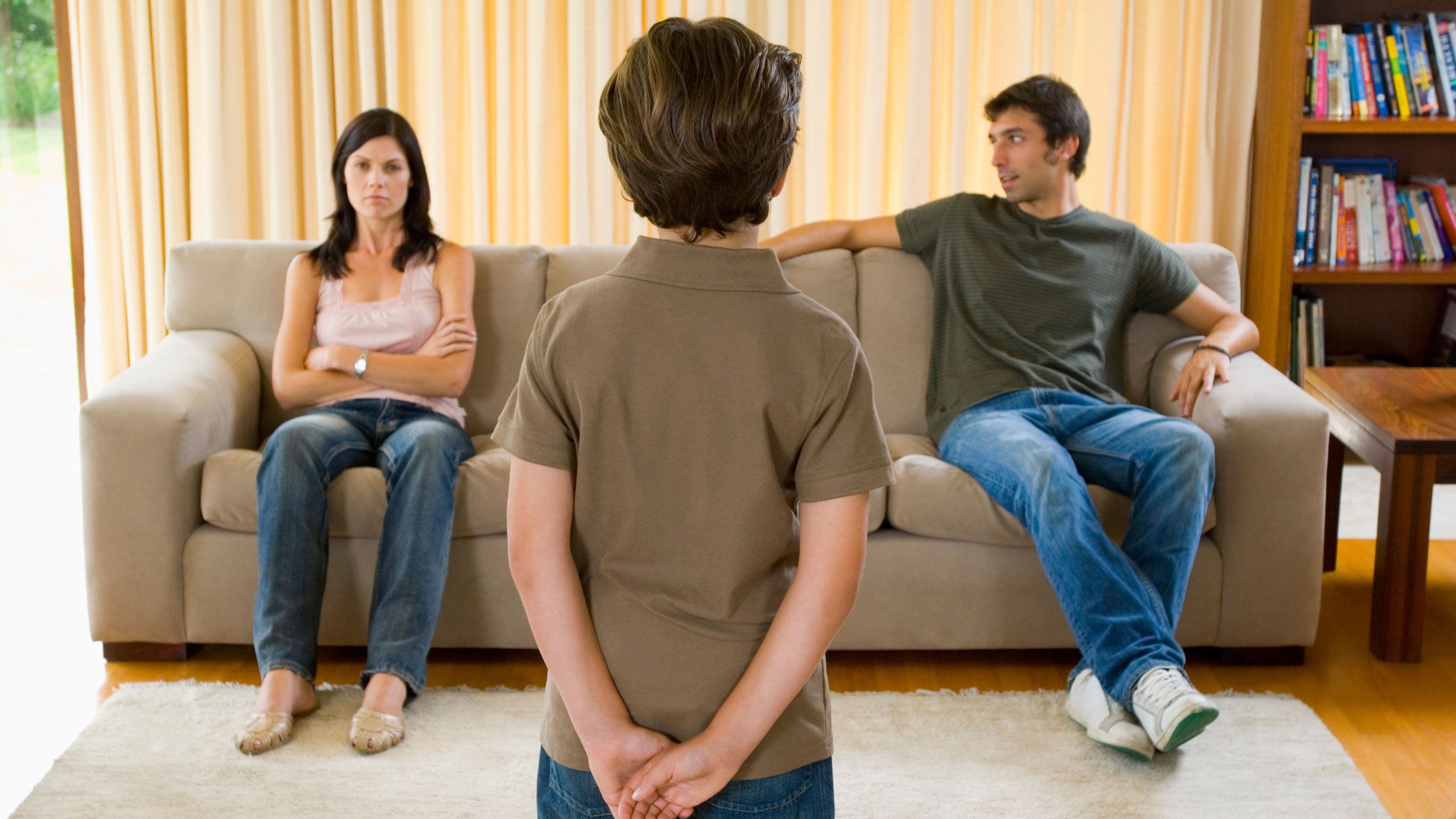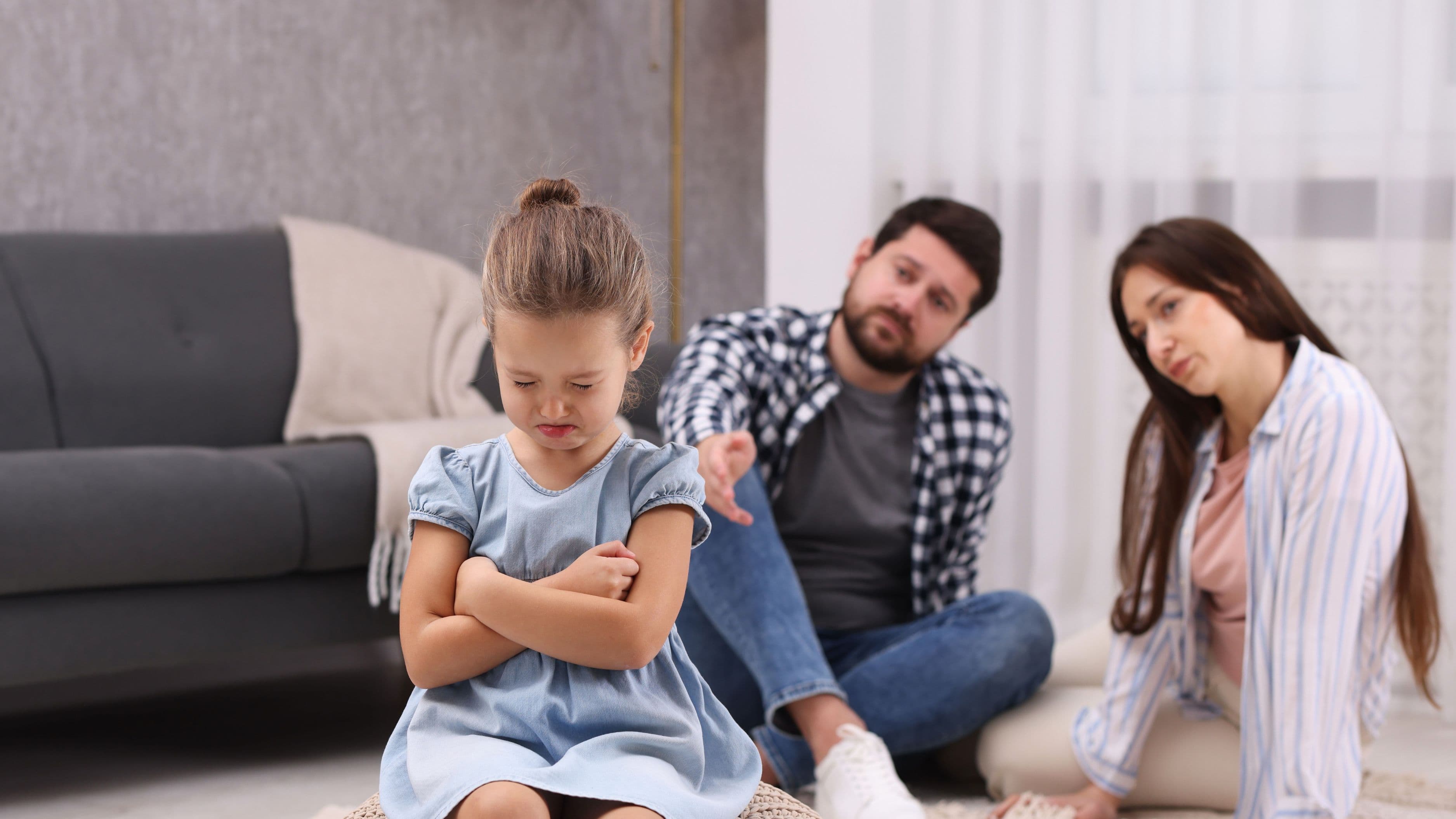
The good news is that yelling isn't actually the most effective discipline tool, even though it often feels like the only one in the moment. Research on child development consistently shows that calm, consistent responses build better long-term behavior than loud, reactive ones, mostly because kids learn regulation by watching it modeled, not by being on the receiving end of dysregulation. This isn't about becoming a permissive parent who lets everything slide. It's about finding ways to hold boundaries firmly without needing volume to do it.
Why Yelling Works in the Short Term but Fails Long-Term
Yelling gets an immediate reaction because it triggers a stress response. A child stops what they're doing, not because they understand why it was wrong, but because their nervous system just registered a threat. That's the uncomfortable part: the behavior stops, so it feels like it worked, which makes it tempting to reach for again next time.
The problem shows up later. Over time, kids raised primarily on yelling tend to either become more anxious and conflict-avoidant, or more resistant and reactive themselves, essentially mirroring the same dysregulated response back. Neither outcome is what most parents actually want. The goal of discipline, at its core, is to teach, not just to stop a behavior in the moment, and teaching requires a nervous system that isn't in fight-or-flight.
Start With Your Own Regulation First
This might be the least satisfying advice on this list, but it's the most foundational. You cannot calmly discipline a dysregulated child while you're dysregulated yourself. Before you respond to whatever just happened, take one slow breath, even if it's just three seconds. That pause doesn't mean the behavior goes unaddressed, it just means your response comes from intention instead of reaction.
A simple, real-life version of this looks like stepping back for a beat before speaking, even silently counting to five in your head while you decide what to say. It won't feel natural the first dozen times you try it, especially if yelling has been your default for a while, but this single shift changes almost everything else on this list from theory into something workable.
Get Down to Their Level, Literally
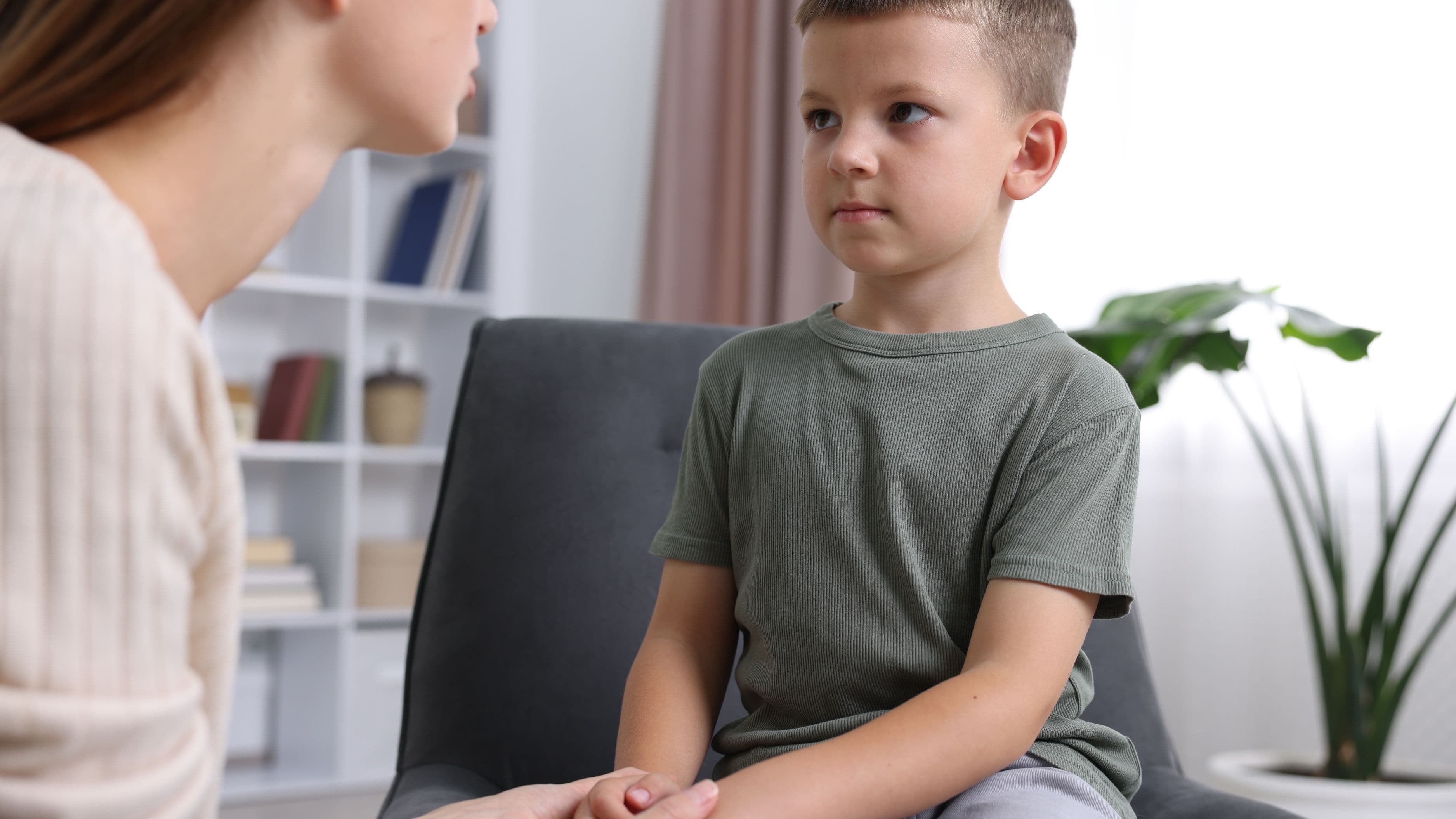
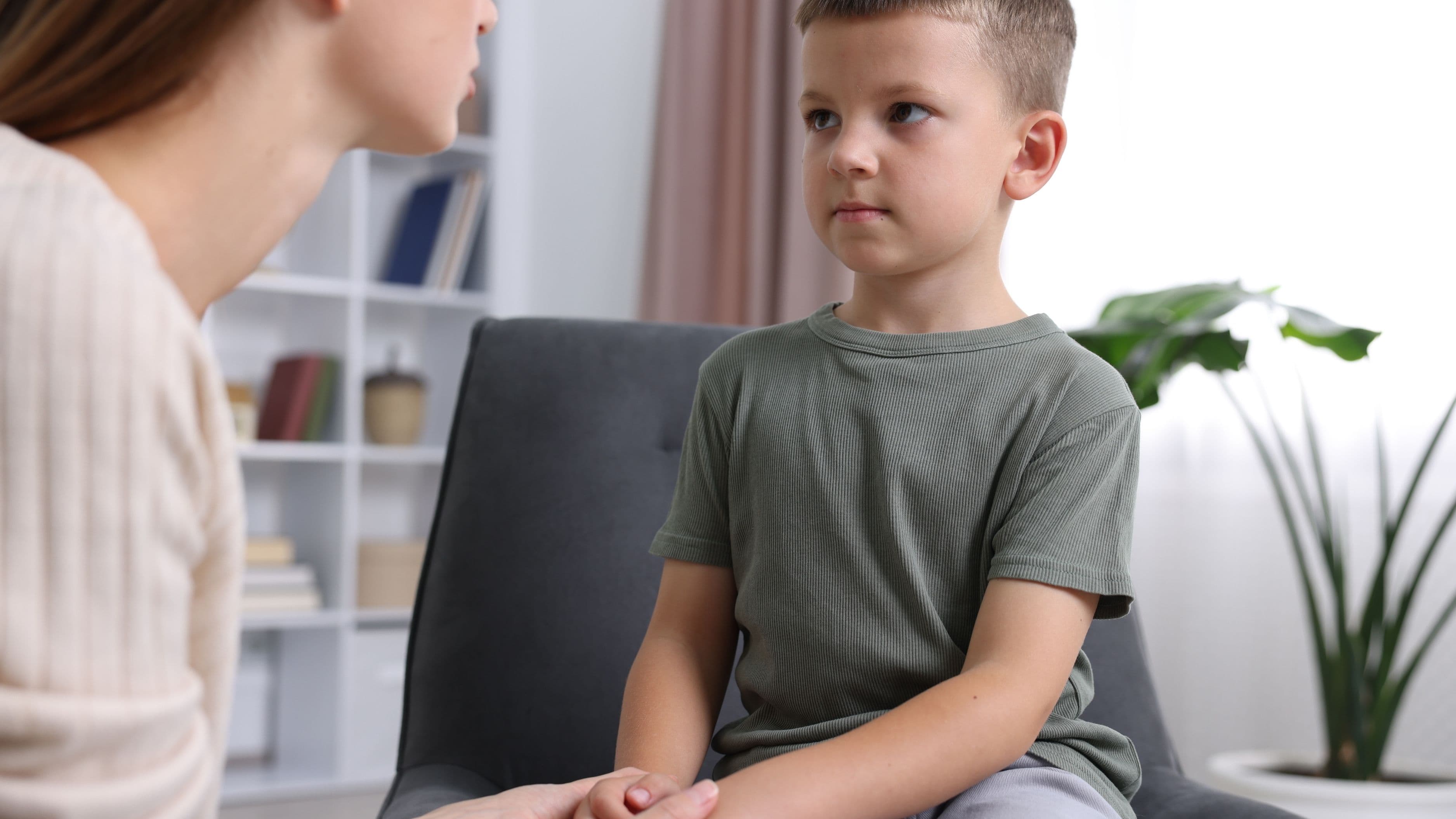
Physical positioning changes the entire tone of a conversation. Crouching or sitting so you're at eye level with your child, rather than standing over them, immediately lowers the emotional intensity of the interaction. It signals that you're addressing them as a person, not issuing a command from above, and it makes it much easier to keep your own voice calm because your body isn't in a posture of confrontation.
This is especially useful with younger children who can feel overwhelmed by an adult's height and volume combined. Something as small as kneeling down before saying "we need to talk about what just happened" often diffuses tension before a single word about the actual behavior is even spoken.
Use Fewer Words, Not More
When emotions run high, the instinct is often to explain, justify, and lecture, all in the same breath. Kids, especially younger ones, stop absorbing information after the first sentence or two of an escalated explanation. A long lecture in a stressed voice tends to land as noise rather than guidance, no matter how reasonable the point actually is.
Instead, try stating the boundary simply and clearly: "Hitting isn't okay. We use words." Save the deeper conversation about feelings and consequences for after everyone, including you, has settled. This isn't about avoiding the harder conversation, it's about recognizing that the harder conversation only works once nervous systems have calmed down enough to actually hear each other.
Offer Choices Instead of Ultimatums
A lot of yelling starts because a request turns into a standoff, where the only two options left feel like compliance or escalation. Giving a child a limited, acceptable choice within the boundary you're holding often defuses that standoff entirely. Instead of "put your shoes on right now or we're not going," try "do you want to put your shoes on yourself, or should I help you?"
This works because it gives the child a sense of control within a structure you're still fully setting. It's not about handing over the decision, the outcome, shoes going on, remains non-negotiable, but the path to get there has a little room to breathe.
Use Natural and Logical Consequences
Consequences that connect directly to the behavior teach more effectively than consequences that feel arbitrary or purely punitive. If a toy gets thrown, it gets put away for a while, not because you're angry, but because throwing toys means they're not being used safely right now. If screen time turns into a fight every single time, screen time gets paused for the day, calmly and without drama.
The key difference between this and yelling-driven punishment is tone. A consequence delivered calmly teaches cause and effect. The same consequence delivered while shouting teaches fear of your reaction, which is a very different lesson, and one that fades the moment you're not in the room.
Reconnect After the Moment Has Passed
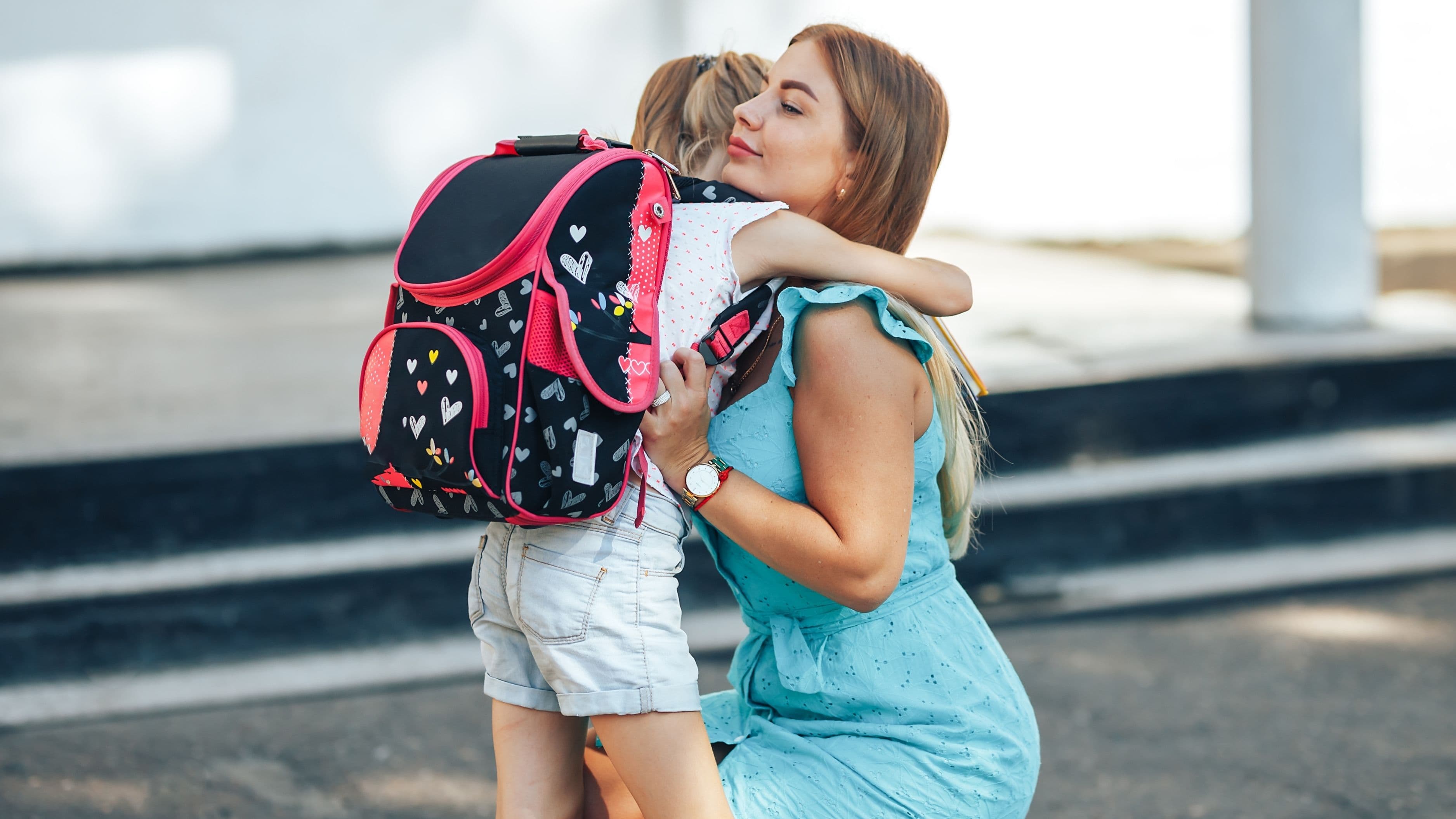
Discipline doesn't end the second the behavior stops. Once things have settled, even ten or fifteen minutes later, circling back matters. This doesn't mean re-litigating what happened, it means briefly reconnecting, whether that's a hug, a quiet "we're okay" check-in, or simply resuming the day together without lingering tension.
This step often gets skipped because once the immediate issue is resolved, it's easy to just move on. But that reconnection is what tells a child the relationship is stable even when boundaries were enforced, which is exactly the message that builds long-term trust and cooperation instead of resentment or fear.
What to Avoid
Try not to discipline in the heat of the biggest emotional spike, yours or theirs. Waiting even thirty seconds usually produces a calmer, more effective response than reacting in the first instant of frustration.
Avoid comparing your child's behavior to a sibling or another child, even in frustration. It rarely changes behavior and often damages self-esteem in ways that outlast the original issue entirely.
Be cautious about promising consequences you won't actually follow through on. An empty threat, especially one delivered loudly, teaches a child that your boundaries are negotiable if they just wait you out.
A Realistic Expectation Going Forward
This shift won't happen overnight, and there will be days it doesn't work at all. Progress here looks like fewer yelling moments over weeks and months, not a sudden, permanent transformation starting tomorrow. Some days your own stress, exhaustion, or unrelated pressures will make the calm approach harder to access, and that's a normal part of the process, not a sign you're doing this wrong.
A Moment for Reflection
Think back to the last time you raised your voice with your child. What was happening in your own body in the moments right before, tight chest, clenched jaw, racing thoughts? Noticing that physical signal earlier each time is often the real turning point, long before any specific discipline technique even comes into play.
FAQ
Is it realistic to never yell at all? No, and aiming for perfection here usually backfires. The goal is reducing frequency and repairing afterward, not achieving flawless calm every single time.
What if my child doesn't respond to a calm tone? Consistency matters more than any single interaction. A calm approach that's new to a child may take time to feel effective, especially if louder responses were the norm previously.
How do I stay calm when I'm already exhausted? Build in small recovery moments throughout your day rather than waiting until you're already at your limit. A regulated nervous system going into a conflict has far more capacity to stay calm than one that's already depleted.
Does this approach still work for older kids and teens? Yes, though the specific techniques shift. Choices and natural consequences remain effective, while eye-level positioning matters less than tone, respect, and follow-through as kids get older.
📚 Sources
American Academy of Pediatrics – Effective Discipline to Raise Healthy Children
Centers for Disease Control and Prevention – Positive Parenting Tips